A painful Achilles tendon can make ordinary moments surprisingly difficult. The first few steps out of bed, walking through the grocery store, climbing stairs, or pushing off during a run may all trigger a sharp pull or stubborn ache behind the heel. The best treatments for Achilles tendonitis are not usually about one quick fix. They combine an accurate diagnosis, the right amount of activity modification, and a plan that helps the tendon gradually tolerate load again.
Achilles tendonitis is a common term for irritation and degeneration of the thick tendon connecting the calf muscles to the heel bone. Symptoms often develop after a jump in walking, running, court sports, hill training, or time spent on your feet. It can also affect people who are not athletes, especially when tight calves, foot mechanics, age-related tendon changes, or unsupportive shoes add stress to the area.
Why the Right Diagnosis Comes First
Not every pain at the back of the heel is Achilles tendonitis. Discomfort where the tendon attaches to the heel can behave differently from pain in the middle portion of the tendon. Bursitis, a heel bone prominence, arthritis, nerve irritation, and a partial tendon tear can create similar symptoms but require different care.
A podiatric evaluation looks beyond the painful spot. Your provider may assess swelling, tenderness, calf tightness, ankle motion, walking pattern, footwear, foot structure, and how symptoms change with activity. Imaging may be recommended when there is concern for a tear, significant degeneration, a bony issue, or symptoms that are not improving as expected.
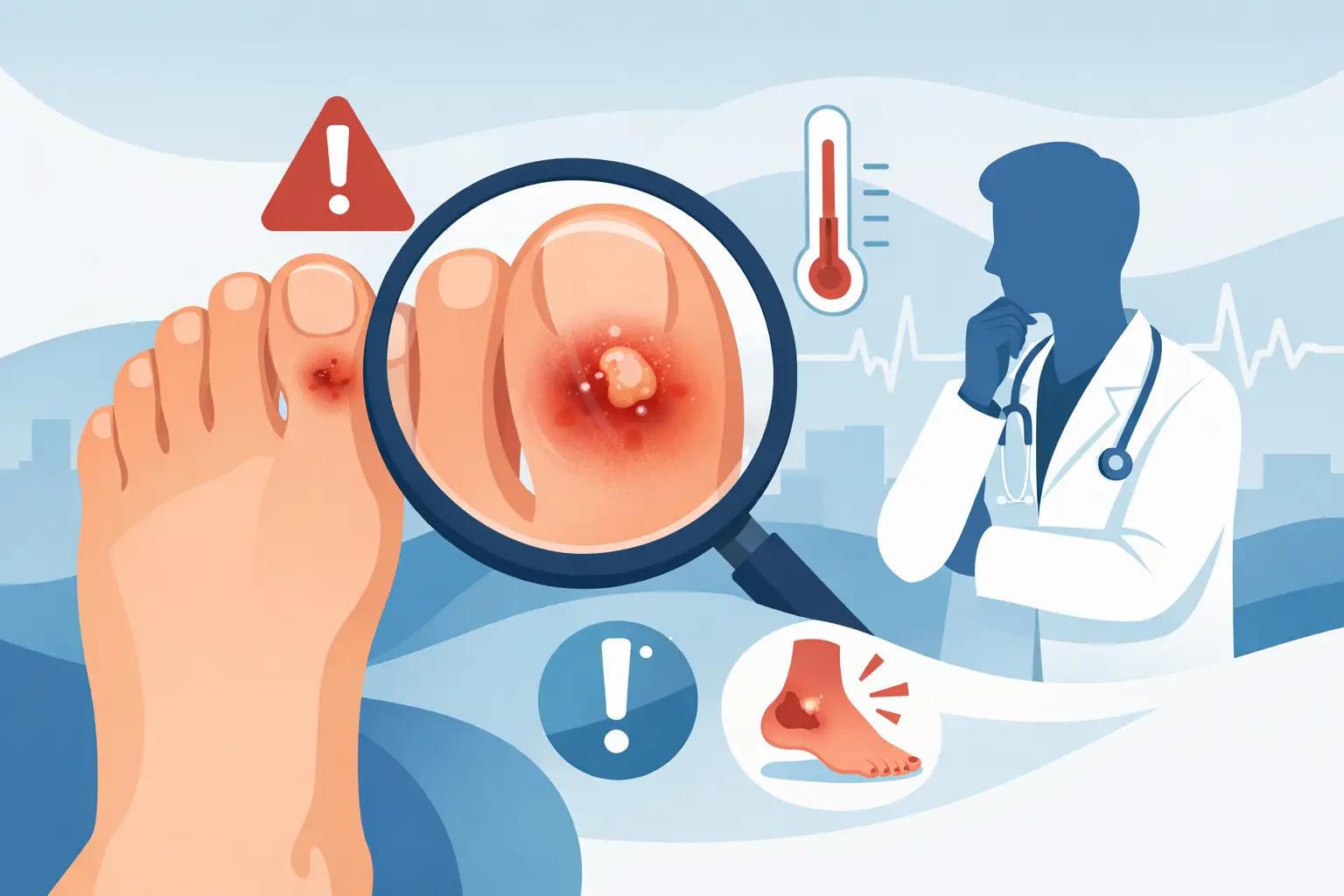
This matters because trying to “push through” a torn or severely damaged tendon can make recovery longer and more complicated. A sudden pop, bruising, marked swelling, or inability to push off or stand on the toes warrants prompt medical attention.
Best Treatments for Achilles Tendonitis Usually Start Conservatively
For many patients, conservative treatment can reduce pain and restore function without surgery. The exact plan depends on whether the tendon is newly irritated, chronically painful, or affected near its attachment at the heel.
Adjust activity without becoming inactive
Complete rest may calm pain briefly, but tendons generally do better with a thoughtful reduction in aggravating activity rather than prolonged inactivity. Running, jumping, steep hills, and explosive movements may need to pause while the tendon settles. Lower-impact options such as cycling, swimming, or other activities approved by your provider can help maintain conditioning without repeatedly overloading the tendon.
The goal is to avoid the cycle of feeling slightly better, doing too much too soon, and flaring the tendon again. Pain during and after activity is useful feedback. If discomfort is rising day to day or causes limping, the current activity level is probably too much.
Use supportive footwear and, when needed, orthotics
Shoes can make a meaningful difference. Worn-down athletic shoes, very flat sandals, unsupportive slip-ons, and footwear that rubs against the back of the heel may increase strain or irritation. A stable, well-cushioned shoe may reduce stress during walking.
In some cases, a temporary heel lift can decrease tension on the Achilles tendon. Custom orthotics or other shoe inserts may be helpful when abnormal foot mechanics, such as excessive pronation, are contributing to repeated tendon overload. These tools should support recovery, not replace strengthening and mobility work.
Calm pain and inflammation appropriately
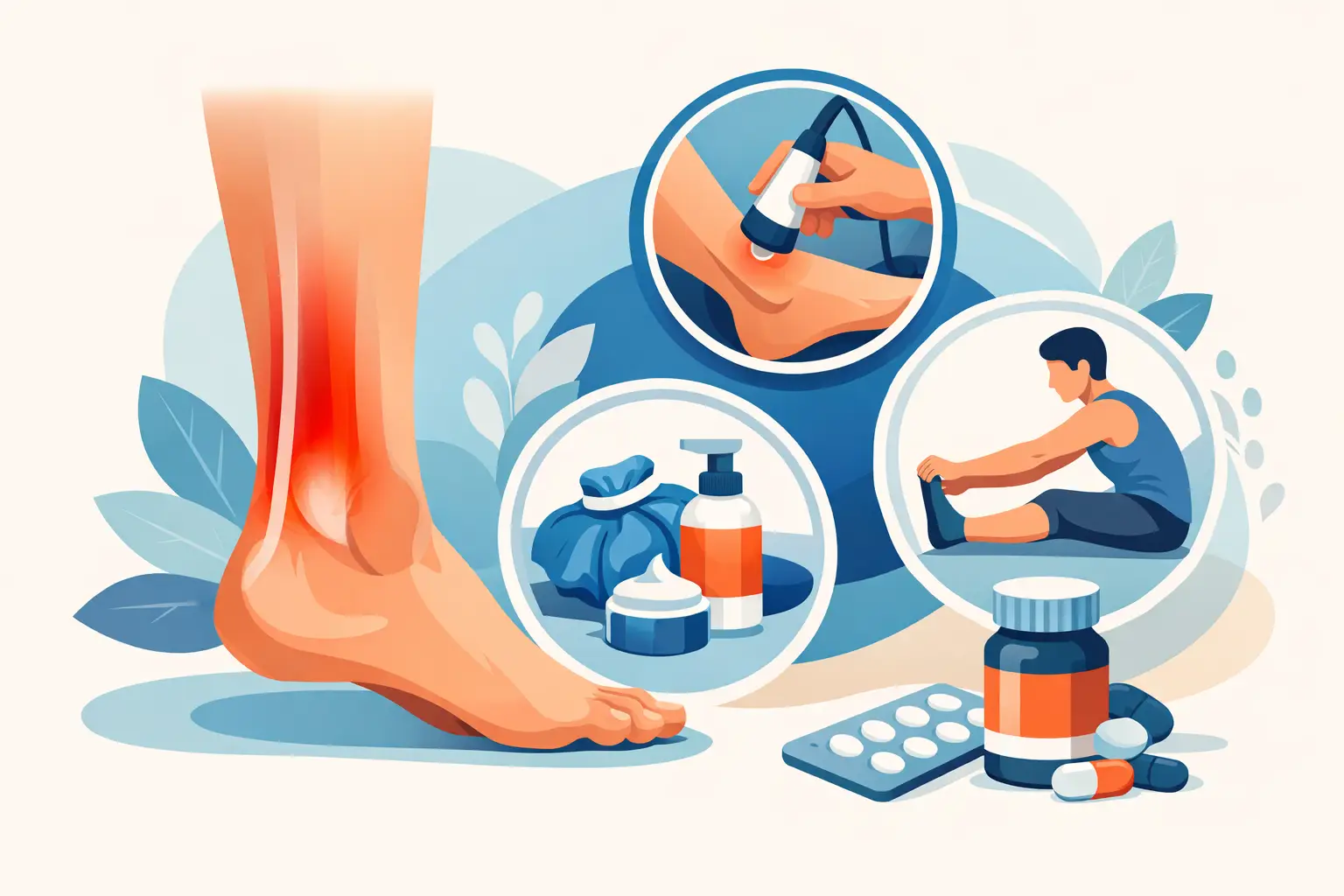
Ice after activity may provide short-term comfort, particularly during an acute flare. Some patients benefit from anti-inflammatory medication, but it is not right for everyone. People with kidney disease, heart conditions, stomach ulcers, blood-thinning medications, or certain other health concerns should ask a medical professional before using these medications.
It is also helpful to understand that long-standing Achilles pain is often driven by tendon degeneration as much as inflammation. Medication may ease symptoms, but it does not rebuild tendon capacity on its own.
Restore calf flexibility and tendon strength
A structured rehabilitation program is one of the most valuable parts of treatment. Tight calf muscles can pull continuously on the Achilles tendon, while weak calf muscles leave the tendon less prepared for daily demands. Guided stretching, range-of-motion work, and progressive calf strengthening can improve both flexibility and load tolerance.
The details matter. Certain heel-drop exercises can be very effective for mid-portion Achilles pain, but they may aggravate insertional pain where the tendon meets the heel bone if performed incorrectly. A personalized plan helps ensure that exercises match the location and severity of the problem.
Progress takes patience. Tendons heal more slowly than muscles because they have a limited blood supply. Improvement may be gradual over several weeks or months, but consistent, properly dosed rehabilitation often produces more durable results than short periods of aggressive treatment.
When a Boot or Physical Therapy May Help
If walking is painful or the tendon is highly irritated, a walking boot may be used for a limited period to protect the area. This is not a long-term solution. Too much immobilization can lead to stiffness and weakness, so the transition back to controlled movement is an important part of the plan.
Physical therapy can be especially useful for patients who have recurring pain, difficulty returning to sports, balance issues, or a demanding job that keeps them on their feet. Therapy may include manual treatment, gait training, progressive loading exercises, and guidance on safely returning to walking, work, or athletics.
For active adults, the return-to-sport timeline should be based on function, not simply the calendar. Being able to walk comfortably, perform calf raises with good control, and tolerate gradually increasing activity are better signs of readiness than having one pain-free day.
Advanced Options for Persistent Achilles Pain
When symptoms continue despite a well-followed conservative plan, a foot and ankle specialist may discuss additional options. The right choice depends on the health of the tendon, location of pain, medical history, activity goals, and imaging findings.
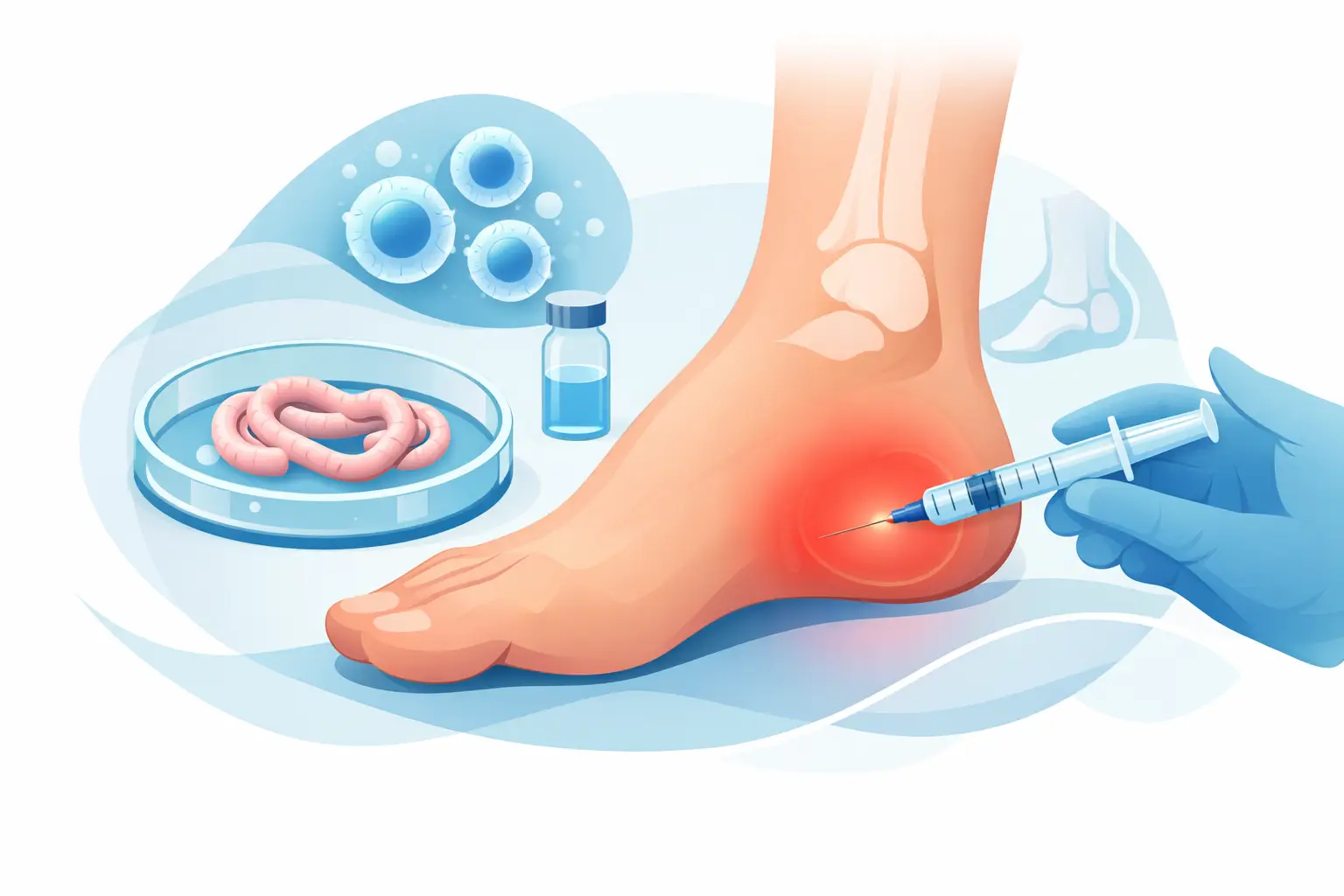
Regenerative treatments such as Platelet Rich Plasma may be considered for selected patients. PRP uses a concentrated portion of a patient’s own blood and is intended to support the body’s healing response. Results can vary, and it is not appropriate for every tendon problem, but it may be part of a personalized plan for stubborn cases.
Noninvasive options such as StemWave therapy or laser therapy for pain may also be discussed when appropriate. These treatments are designed to support pain reduction and tissue recovery while minimizing downtime. They should be viewed as part of a broader recovery strategy that still includes proper footwear, activity guidance, and progressive strengthening.
Injections around the Achilles tendon require careful judgment. Corticosteroid injections directly into or very near the Achilles are often avoided because they may weaken the tendon and raise rupture risk. This is one reason specialized evaluation is so valuable before pursuing any injection-based treatment.
Surgery is generally reserved for severe degeneration, a significant tear, or pain that remains limiting after an adequate trial of non-surgical care. When surgery is needed, the procedure and recovery plan depend on the specific tendon damage. Most patients should have the opportunity to explore appropriate conservative options first.
Small Habits That Protect the Achilles Tendon
Recovery is often shaped by what happens between appointments. Avoid sudden spikes in mileage, exercise intensity, or hill work. Replace shoes before they are significantly worn, warm up before demanding activity, and build training volume gradually.
Pay attention to morning stiffness and next-day pain. These can be early warnings that the tendon is receiving more load than it can currently handle. For people managing diabetes, neuropathy, circulation problems, or wound-healing concerns, earlier evaluation is especially wise because foot and ankle problems can become more complicated when ignored.
At Chambers Foot & Ankle, the focus is on identifying what is driving your pain and building a treatment plan around your lifestyle, mobility goals, and overall health. Whether you want to return to weekend walks, keep up with your children or grandchildren, or get back to your sport, Achilles pain deserves care that is both patient and precise.
You do not have to wait until every step hurts to seek help. Addressing persistent Achilles symptoms early can protect the tendon, reduce the chance of a more serious injury, and help you move with greater comfort and confidence again.