
The first few steps out of bed can tell you a lot about your feet. If they feel stiff, sore, swollen, or difficult to bend, arthritis may be affecting more than your comfort. Effective foot pain from arthritis treatment starts with identifying the joint involved, the type of arthritis present, and the everyday demands that keep aggravating it.
For many people, the goal is not simply to get through the day with less pain. It is to walk comfortably, stay active, wear regular shoes, and keep small problems from becoming major limitations. A podiatric evaluation can help create a plan that supports those goals while beginning with the most conservative options appropriate for your condition.
Why Arthritis Causes Foot Pain
Each foot has more than 30 joints, so arthritis has many opportunities to affect movement. The condition can wear down cartilage, inflame the lining of a joint, or change the way bones fit together. As joints become irritated, walking can become painful and other areas of the foot may start compensating.
Osteoarthritis is common with aging, previous injuries, repetitive stress, and foot mechanics that place extra pressure on certain joints. It often affects the big toe joint, midfoot, ankle, or joints beneath the toes. Rheumatoid arthritis and other inflammatory forms of arthritis can cause more widespread swelling, warmth, and stiffness, sometimes affecting both feet in a similar pattern.
Gout is another consideration, particularly when severe pain, redness, and swelling come on quickly in one joint, often the big toe. Not every painful or swollen foot is arthritis, however. Tendon injuries, stress fractures, nerve irritation, infection, and circulation problems can feel similar. That is why an accurate diagnosis matters before choosing treatment.
Foot Pain From Arthritis Treatment Starts With a Clear Diagnosis
A good treatment plan should not be based on an X-ray alone. Your symptoms, activity level, medical history, footwear, and foot structure all matter. During an evaluation, your podiatrist may check where the pain occurs, how the joint moves, whether swelling or deformity is present, and how you walk.
X-rays can show joint narrowing, bone spurs, alignment changes, and signs of prior injury. In some cases, ultrasound, MRI, laboratory testing, or coordination with your primary care provider or rheumatologist may be needed. This is especially helpful when inflammatory arthritis, gout, infection, or a fracture is suspected.
The diagnosis helps determine whether the priority is reducing inflammation, improving joint support, protecting a damaged joint, or addressing a condition affecting the whole body. Two people with arthritis in the same area of the foot may need very different care.
Conservative Care Can Make a Meaningful Difference
Many patients can reduce arthritis-related foot pain without surgery. Conservative treatment is often most effective when it is specific to the joint and the forces irritating it.
Supportive shoes and custom orthotics
Shoes with a stable sole, a roomy toe box, and enough cushioning can reduce strain on sore joints. For big toe arthritis, a stiffer sole or rocker-style shoe may limit painful bending during push-off. For midfoot arthritis, a supportive shoe can reduce motion through inflamed joints.
Custom orthotics may help redistribute pressure, improve alignment, and support areas that are working too hard. They are not a cure for arthritis, but the right device can make standing and walking more comfortable. The best option depends on your foot shape, the affected joint, and the shoes you can realistically wear.
Activity changes, not complete inactivity
When every step hurts, it is natural to stop moving. But prolonged inactivity can increase stiffness and reduce strength. A better approach is usually to adjust the activity causing the flare. Shorter walks, lower-impact exercise, rest between activities, and avoiding uneven terrain may help calm symptoms while keeping you mobile.
Gentle range-of-motion work and exercises that support the foot, ankle, and calf can also be useful when recommended for your condition. If an exercise causes sharp pain or leaves the joint significantly more swollen afterward, it may need to be modified.
Medication and inflammation management
Over-the-counter anti-inflammatory medications or topical pain relievers may help some patients, but they are not right for everyone. Kidney disease, stomach ulcers, heart conditions, blood thinners, and other medications can change what is safe. Your medical providers can help determine whether medication is appropriate and how it fits into your overall care.
Ice during a painful flare and gentle heat for stiffness can provide temporary relief for some people. Protect the skin with a barrier and avoid prolonged exposure, especially if you have neuropathy or reduced circulation.
When Injections or Advanced Therapies May Help
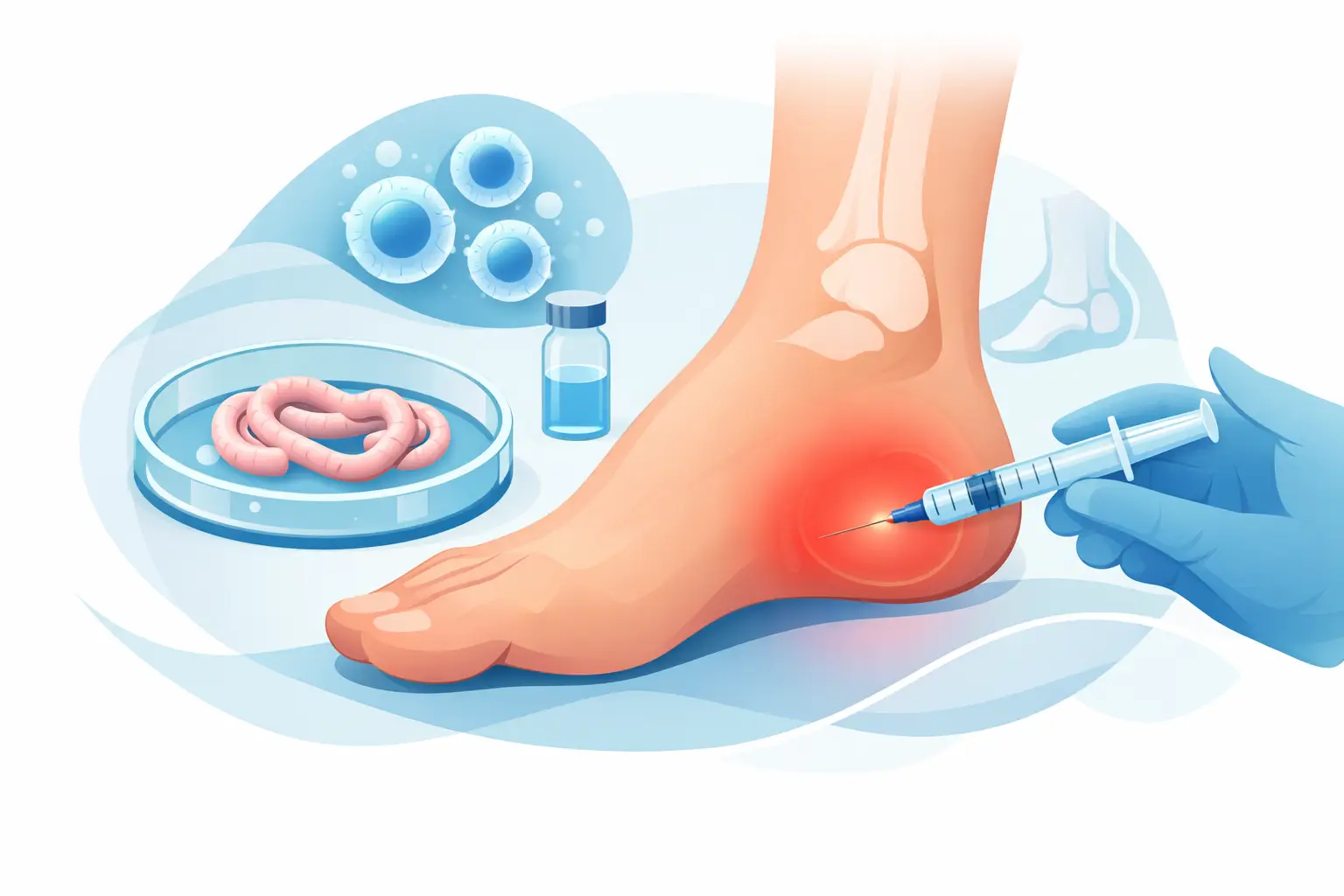
If supportive care is not providing enough relief, an injection may be considered. Corticosteroid injections can reduce inflammation in or around a painful joint and may provide meaningful relief for a period of time. They are not usually a permanent solution, and repeated injections are not appropriate for every joint or every patient.
Depending on the diagnosis and tissue involved, advanced treatment options may also be discussed. At Chambers Foot & Ankle, care may include regenerative-focused approaches such as platelet-rich plasma or noninvasive treatments designed to support pain relief and healing. These options are considered individually, not as a replacement for a proper diagnosis or a one-size-fits-all promise.
The trade-off is worth understanding: a treatment that offers short-term relief may be helpful during a flare, while longer-term success often still depends on footwear, joint protection, weight-bearing habits, and management of underlying arthritis. Your plan should be practical for your lifestyle, not just effective on paper.
When Surgery Becomes Part of the Conversation
Surgery is generally considered when pain remains limiting despite appropriate conservative care, the joint has become severely damaged, or deformity makes shoes difficult to wear. The procedure depends on the location and severity of arthritis. Some joints can be cleaned up or realigned, while others may be better treated with fusion or joint replacement in select cases.
A fusion may sound restrictive, but for a severely arthritic joint, eliminating painful motion can improve comfort and stability. On the other hand, surgery involves recovery time, activity restrictions, and potential risks. The right decision depends on your health, mobility goals, X-ray findings, and how much arthritis is interfering with daily life.
Protect Your Feet Between Visits
Pay attention to changes rather than waiting until pain becomes severe. Increased swelling, a new bump, changes in toe position, or shoes that suddenly rub can signal that the joint needs more support. Keep a simple record of what worsens your symptoms, including specific shoes, activities, and the time of day pain is most noticeable.
Seek prompt medical care for sudden severe redness and warmth, inability to bear weight, fever, an open sore, or drainage. People with diabetes, neuropathy, poor circulation, or immune-system conditions should be especially careful with any swelling, skin breakdown, or unexplained foot pain.
Arthritis may be chronic, but daily foot pain does not have to define your routine. With a diagnosis that explains what is happening and a treatment plan built around your needs, it is often possible to move better, feel more confident on your feet, and get back to the activities that matter to you.