A sore, swollen big toe can turn ordinary routines into a problem fast. If you are searching for ingrown toenail treatment for adults, you are probably dealing with pain when you walk, tenderness along the nail edge, or redness that keeps getting worse instead of better. The good news is that many ingrown nails can be treated effectively, and the right care often brings relief sooner than people expect.
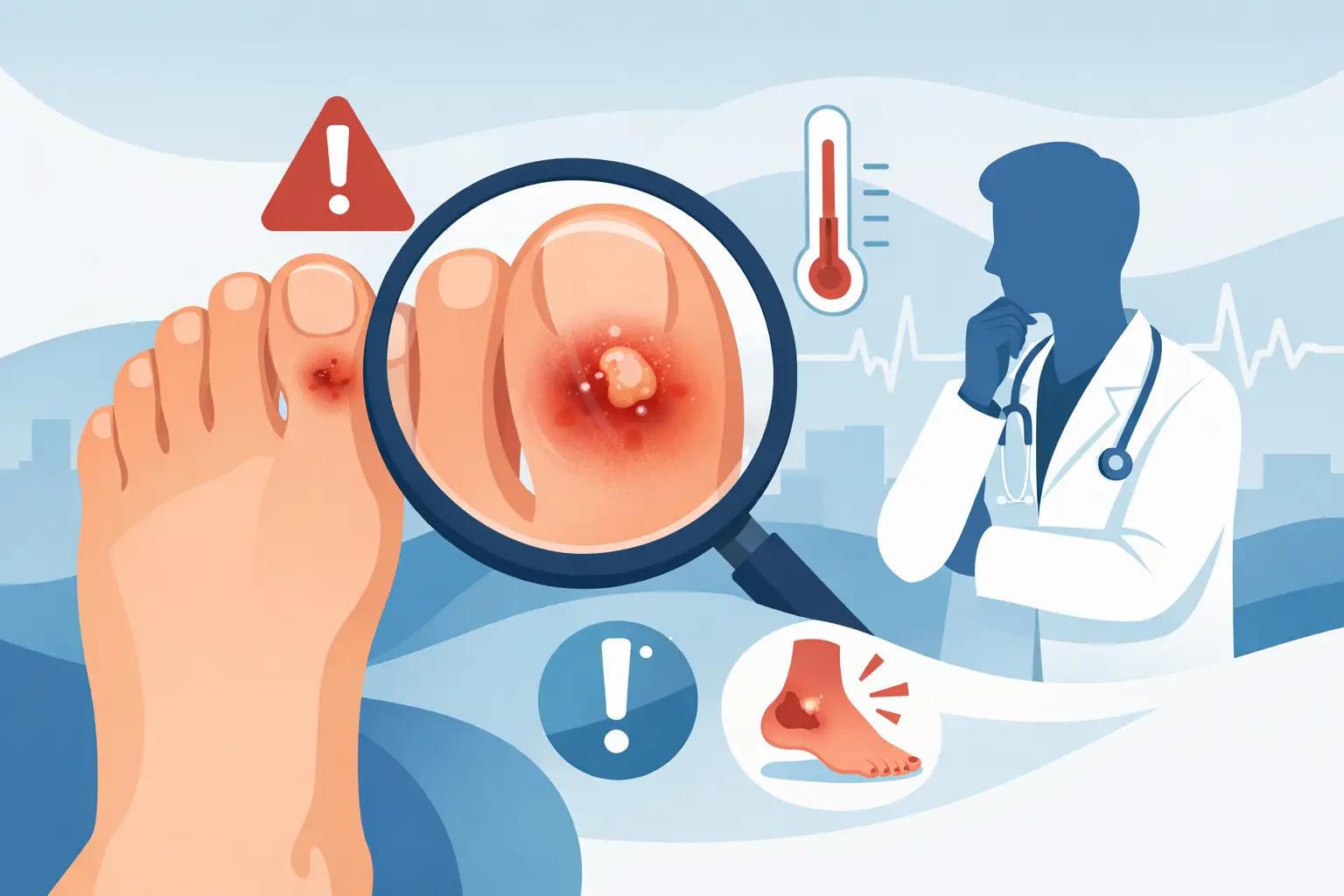
An ingrown toenail happens when the side or corner of the nail grows into the surrounding skin. The big toe is the most common spot, but other toes can be affected too. At first, it may feel like minor irritation. Then the area can become swollen, warm, and painful, especially in closed-toe shoes. If bacteria get involved, you may also notice drainage, a stronger throbbing sensation, or skin that looks infected.
What causes ingrown toenails in adults?
Most ingrown toenails do not happen for just one reason. Often, they develop from a mix of nail shape, pressure, and trimming habits. Cutting the toenails too short or rounding the corners too aggressively is one of the most common triggers. Tight shoes can also press the nail into the skin over time, especially if you spend long hours on your feet.
Some adults are simply more prone to the problem because of naturally curved nails or thicker nails that change with age. Repeated trauma matters too. Runners, hikers, and people whose jobs require a lot of standing may irritate the toe often enough for the nail to start growing the wrong way. Fungal nail changes can make the nail thicker and more irregular, which raises the chances of it digging into the skin.
Certain medical conditions can make an ingrown toenail more concerning. If you have diabetes, poor circulation, neuropathy, or a history of foot wounds, even a small nail problem deserves prompt medical attention. What starts as a minor issue can become a bigger healing problem when sensation or blood flow is reduced.
Ingrown toenail treatment for adults at home
Early care at home can help when the nail is mildly irritated and there are no signs of infection. Soaking the foot in warm water for about 15 to 20 minutes a few times a day can calm inflammation and soften the skin. After soaking, keeping the toe clean and dry is important. A light bandage may reduce friction if shoes are rubbing the area.
You should also switch to footwear with a wide toe box while the toe is healing. Reducing pressure can make a noticeable difference in comfort. Over-the-counter pain relievers may help with tenderness, assuming they are safe for you to take.
That said, home treatment has limits. Trying to dig into the corner of the nail with clippers or sharp tools often makes things worse. It can push the nail deeper, damage the skin, and increase the risk of infection. Home care is best viewed as a short-term measure for mild cases, not a substitute for treatment when the toe is swollen, draining, or increasingly painful.
When to see a podiatrist
If the toe is red, swollen, draining, or too painful to touch, it is time to be evaluated. The same is true if the ingrown nail keeps coming back, if walking is becoming difficult, or if you have diabetes or poor circulation. Recurrent cases usually need more than another round of soaking and shoe changes.
This is where a specialist can help. A podiatrist can confirm whether the problem is truly an ingrown nail or something else, such as infection, nail thickening, trauma, or a skin issue around the nail fold. The treatment plan depends on severity. Some patients only need conservative care and guidance on proper nail trimming. Others need a simple in-office procedure to remove the part of the nail causing the problem.
Professional ingrown toenail treatment for adults
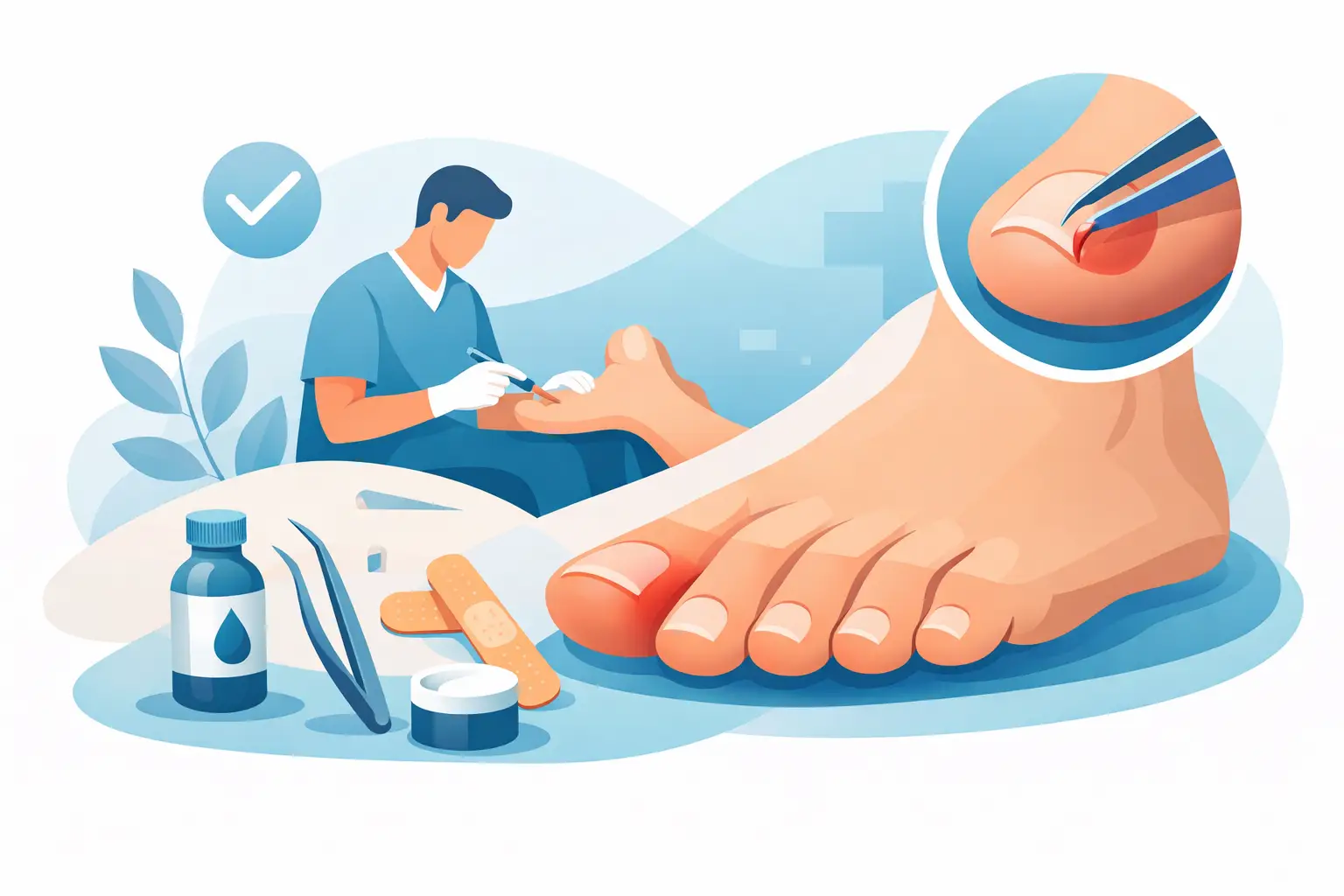
Professional treatment is usually straightforward, and it is often less intimidating than patients expect. For a painful ingrown nail, the first step may be numbing the toe with local anesthetic. Once the area is numb, the offending edge of the nail can be carefully removed. This relieves pressure on the skin and allows inflammation to settle.
In a first-time or mild-to-moderate case, a partial nail removal may be enough. If the nail repeatedly grows into the same side, a more lasting option may be recommended. This often involves treating the growth center of the problem section of nail so that narrow strip does not grow back. The goal is not to remove the whole nail in most cases. It is to stop the chronic cycle of pain, swelling, and infection while keeping the nail functional and cosmetically acceptable.
When infection is present, treatment may also include wound care instructions and, in some cases, medication. Not every red toe needs antibiotics. Sometimes removing the nail border and draining the inflamed area addresses the source of the problem more effectively than medication alone. It depends on how advanced the infection is and whether there is surrounding cellulitis or deeper tissue involvement.
What recovery is usually like
Recovery is often easier than patients fear. After the procedure, the toe may be tender for a few days, but many adults feel relief quickly because the pressure from the ingrown edge is gone. You may need to rest the foot briefly the first day, change the dressing as directed, and avoid unnecessary friction while the toe heals.
Most people can return to normal daily activities fairly soon, though high-impact exercise may need to wait a little longer depending on the procedure and the amount of inflammation present beforehand. Healing time varies. A simple partial nail removal may settle relatively quickly, while a permanent correction can involve a longer period of drainage and dressing changes. The trade-off is that a longer-lasting solution often prevents repeat flare-ups.
Why recurring ingrown nails should not be ignored
Some adults get used to trimming out the nail every few months and living with the pain in between. That approach can seem manageable until the toe becomes infected or the skin along the nail edge starts overgrowing and staying chronically inflamed. Repeated irritation can make future episodes more painful and harder to control.
Recurring ingrown nails are especially frustrating for active adults, older adults, and anyone with medical risks that slow healing. A proper evaluation can help identify what is driving the recurrence. It may be the shape of the nail, shoe pressure, fungal thickening, or trimming technique. Once that is clear, treatment can be more targeted and more effective.
How to help prevent another ingrown toenail
Prevention is not complicated, but it does require consistency. Trim nails straight across rather than curving deeply into the corners. Do not cut them excessively short. Shoes should have enough room in the toe box so the toes are not constantly compressed.
If your nails are thick, hard to manage, or distorted by fungus, professional nail care may be safer than trying to handle them aggressively at home. This is particularly true for adults with diabetes, neuropathy, or reduced flexibility who may not be able to see or reach their feet well. Regular foot checks matter. Catching tenderness or redness early is much easier than waiting until infection sets in.
For patients in the Mesa area, Chambers Foot & Ankle focuses on conservative, personalized care first, with treatment plans built around comfort, healing, and getting you back to normal activity as safely as possible.
Common questions adults have about treatment
One of the biggest concerns is whether treatment will hurt. During an in-office procedure, the toe is numbed first, so patients typically feel pressure rather than sharp pain. Another common question is whether the whole nail needs to come off. Usually, it does not. In many cases, only the narrow ingrown section is treated.
People also ask whether an ingrown toenail will go away on its own. Occasionally, a very mild case improves with early home care and less pressure on the toe. But if the nail is already embedded, swollen, or infected, waiting tends to prolong the problem rather than solve it.
If your toe has been bothering you for more than a few days, or if it keeps coming back, the best next step is simple: get it looked at before a small problem becomes a larger one. Relief is often much closer than it feels when every step hurts.