
A sharp, burning pain in the ball of your foot can make a quick trip to the grocery store feel much longer than it should. If it feels as though you are stepping on a pebble, your sock is bunched up, or your toes are being squeezed together, a neuroma may be the reason. The right neuroma treatment options can reduce pressure on the irritated nerve, calm painful symptoms, and help you get back to walking with greater comfort.
A neuroma is not usually a tumor in the traditional sense. It is a thickened, inflamed area of nerve tissue, most often between the third and fourth toes. This condition is commonly called Morton’s neuroma. It can develop gradually, especially when the front of the foot is repeatedly compressed or irritated.
What Neuroma Pain Can Feel Like
Neuroma symptoms vary from person to person. Some people notice occasional tingling that comes and goes. Others develop persistent burning or electric pain that makes certain shoes nearly impossible to wear. Common symptoms include pain in the ball of the foot, numbness or tingling in nearby toes, and a feeling that something is caught under the foot.
Symptoms may worsen in narrow shoes, high heels, stiff athletic footwear, or during activities that repeatedly load the forefoot. While a neuroma can be painful, it is also highly treatable. The best path forward starts with an accurate diagnosis rather than trying to push through the discomfort.
Why a Personalized Diagnosis Matters
Forefoot pain is not always a neuroma. Stress fractures, arthritis, bursitis, plantar plate injuries, calluses, tendon problems, and nerve pain from other causes can create similar symptoms. Treating the wrong problem can delay relief.
A podiatric evaluation typically includes a discussion of your symptoms, activities, footwear, and medical history, followed by a focused examination of the foot. Imaging may be recommended when the diagnosis is unclear or when another condition needs to be ruled out. For patients with diabetes, circulation concerns, neuropathy, or wounds, a thorough foot evaluation is especially important because foot pain may have more than one contributing factor.
Neuroma Treatment Options: Starting Conservatively
Most patients do not need surgery as their first step. Conservative care aims to relieve the pressure and irritation that are contributing to the nerve problem. It often works best when symptoms are addressed early.
Footwear changes that create more room
Shoes can make a significant difference. A wide toe box gives the forefoot and toes room to spread naturally instead of compressing the nerve. Supportive shoes with cushioning under the ball of the foot may also reduce the repetitive impact that aggravates symptoms.
High heels and narrow, pointed shoes tend to shift body weight forward and squeeze the forefoot. You may not have to give up every dress shoe forever, but reducing time in these styles while symptoms are active can help the irritated tissue settle down.
Pads, inserts, and custom orthotics
A metatarsal pad can be placed behind the ball of the foot to help redistribute pressure away from the painful nerve area. Over-the-counter inserts may provide meaningful relief for some people, particularly when symptoms are mild.
When foot structure, gait mechanics, or ongoing pain call for a more tailored approach, custom orthotics may be recommended. These devices are designed around your foot and can support the arch, improve pressure distribution, and reduce stress through the forefoot. They are not a one-size-fits-all solution, but they can be a valuable part of long-term neuroma management.
Activity adjustments and symptom control
Temporarily reducing activities that trigger pain can give the nerve a chance to calm down. That may mean choosing cycling, swimming, or another lower-impact exercise while painful walking, running, court sports, or long standing shifts are modified.
Ice after activity may help with discomfort for some patients. Anti-inflammatory medication can also be appropriate for certain individuals, but it is not the right choice for everyone. Patients with kidney disease, stomach ulcers, blood thinner use, heart conditions, or other health concerns should discuss medication choices with their medical provider.
When Injections May Be Appropriate
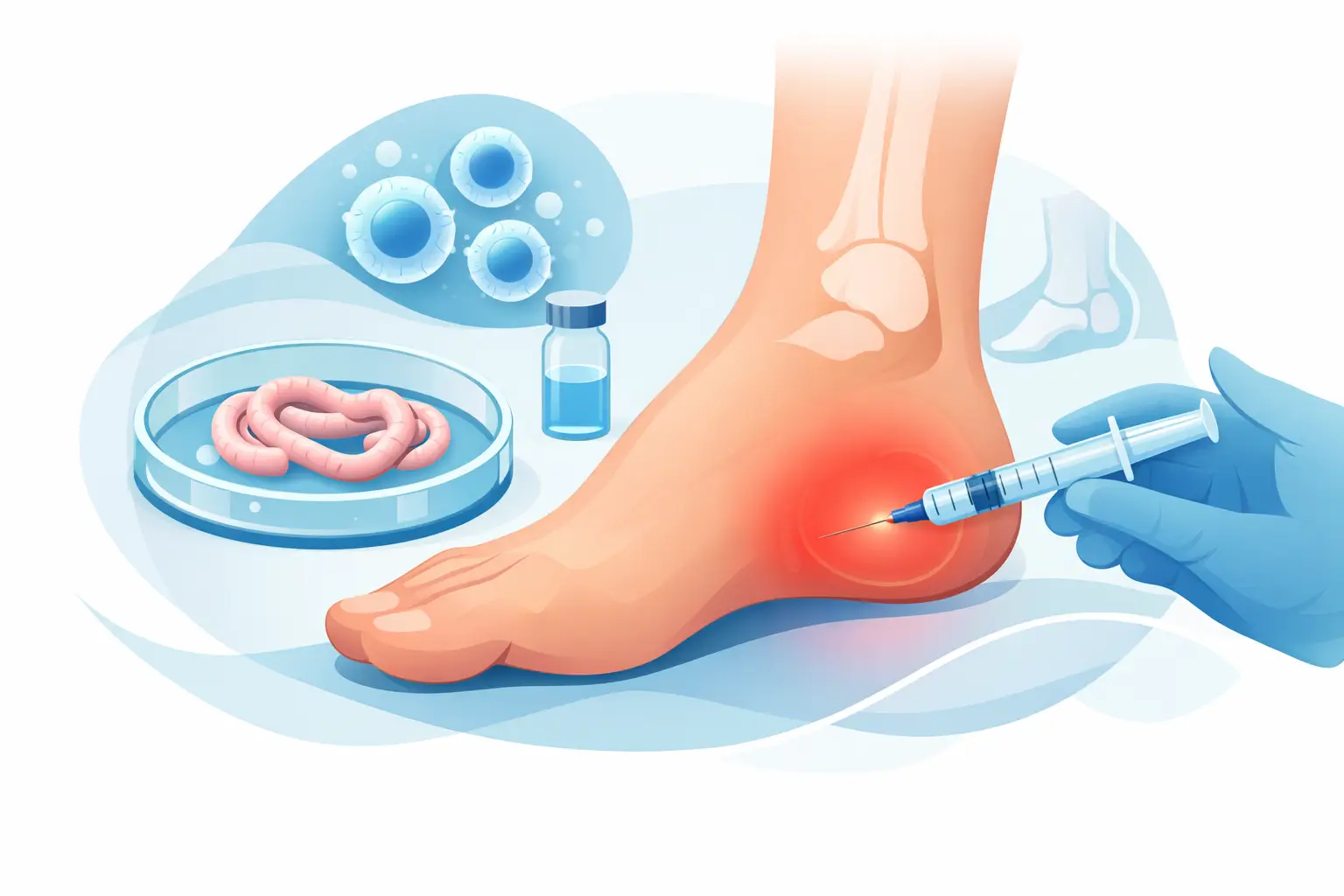
If footwear changes, padding, and orthotics do not provide enough relief, an injection may be considered. Corticosteroid injections can reduce inflammation around the nerve and may decrease pain. In some cases, an anesthetic is included to provide short-term relief and help confirm the source of symptoms.
An injection can be very helpful, but it is not always permanent. Results depend on the severity and duration of the neuroma, the amount of ongoing mechanical pressure, and how well underlying footwear or gait issues are addressed. Repeated steroid injections also require thoughtful use because too much steroid exposure in the same area can affect surrounding tissue.
Some practices may offer other injection-based approaches intended to treat nerve-related pain. These options should be considered carefully, with a clear conversation about expected benefit, possible risks, recovery needs, and the quality of evidence for your particular condition. A good treatment plan should be based on your symptoms and goals, not on a one-size-fits-all procedure.
Advanced Care for Ongoing Foot Pain
At Chambers Foot & Ankle, care is centered on finding the least invasive option that can reasonably help you move better and feel better. For certain foot and ankle pain concerns, advanced therapies such as laser treatment, StemWave, or regenerative-focused treatments may be discussed as part of a broader care plan.
Not every advanced therapy is appropriate for every neuroma, and these treatments should not replace a careful diagnosis or basic pressure-relieving measures. Still, for patients with complex pain patterns or coexisting soft-tissue issues, modern treatment tools may offer another way to support comfort and healing with less downtime than more invasive approaches.
When Is Neuroma Surgery Considered?
Surgery is generally reserved for a neuroma that continues to cause significant pain despite a well-planned course of conservative treatment. It may be appropriate when pain limits work, exercise, daily walking, or the ability to wear normal footwear.
The surgical approach depends on the individual case. A procedure may involve relieving pressure around the nerve or removing the affected nerve tissue. Your podiatrist can explain which approach is appropriate, what the recovery timeline may look like, and how much time you may need away from higher-impact activities.
Surgery can provide meaningful relief for many patients, but it involves trade-offs. Removing a nerve can leave lasting numbness in the involved toes, and recovery requires patience. Scar sensitivity, swelling, and continued discomfort are also possible. These are important reasons to try appropriate conservative neuroma treatment options first when they are likely to help.
How to Protect Your Feet After Treatment
Even after symptoms improve, your footwear and daily habits still matter. Continue choosing shoes that fit the shape of your foot rather than forcing your foot into a narrow toe box. Replace worn-out athletic shoes, use recommended orthotics or pads consistently, and pay attention when tingling or burning begins to return.
If you have diabetes or reduced sensation in your feet, inspect them daily for redness, skin breakdown, swelling, or areas of pressure. A neuroma may be only one part of your foot health picture, and early attention to changes can prevent more serious problems.
When to Schedule an Evaluation
Make an appointment if ball-of-foot pain is persistent, worsening, or interfering with your normal routine. You should also seek prompt care for sudden swelling, inability to bear weight, color changes, an open sore, fever, or signs of infection. These symptoms may point to a problem other than a neuroma and should not be ignored.
You do not need to accept painful steps as part of getting older, working on your feet, or staying active. With a clear diagnosis and a treatment plan built around your needs, relief can begin with the next comfortable step.