That sharp pain under your heel when you take your first few steps in the morning is often the giveaway. Many people worry that ongoing heel pain means surgery is next, but plantar fasciitis treatment without surgery is usually the starting point – and often the most effective path when the problem is diagnosed early and treated correctly.
Plantar fasciitis happens when the thick band of tissue along the bottom of the foot becomes irritated where it connects near the heel. Some patients feel a stabbing pain with their first steps after rest. Others notice an ache that builds during the day, especially after standing for long periods, walking on hard surfaces, or increasing exercise too quickly. It can affect runners, warehouse workers, teachers, parents who are constantly on their feet, and adults who simply developed heel pain gradually over time.
Why conservative care works for many people
The plantar fascia is under constant stress. It helps support the arch and absorbs force every time your foot hits the ground. When that tissue is overloaded, tiny areas of irritation can develop. The good news is that this condition often responds well to reducing strain, improving support, and giving the tissue a chance to recover.
That does not mean every case resolves with rest alone. In fact, one reason heel pain lingers is that many people keep moving the same way, wearing the same unsupportive shoes, and hoping the pain will fade on its own. Conservative care works best when treatment matches the cause. Tight calves, poor foot mechanics, extra pressure from standing all day, a sudden change in activity, or worn-out footwear can all play a role.
Plantar fasciitis treatment without surgery usually starts with the basics
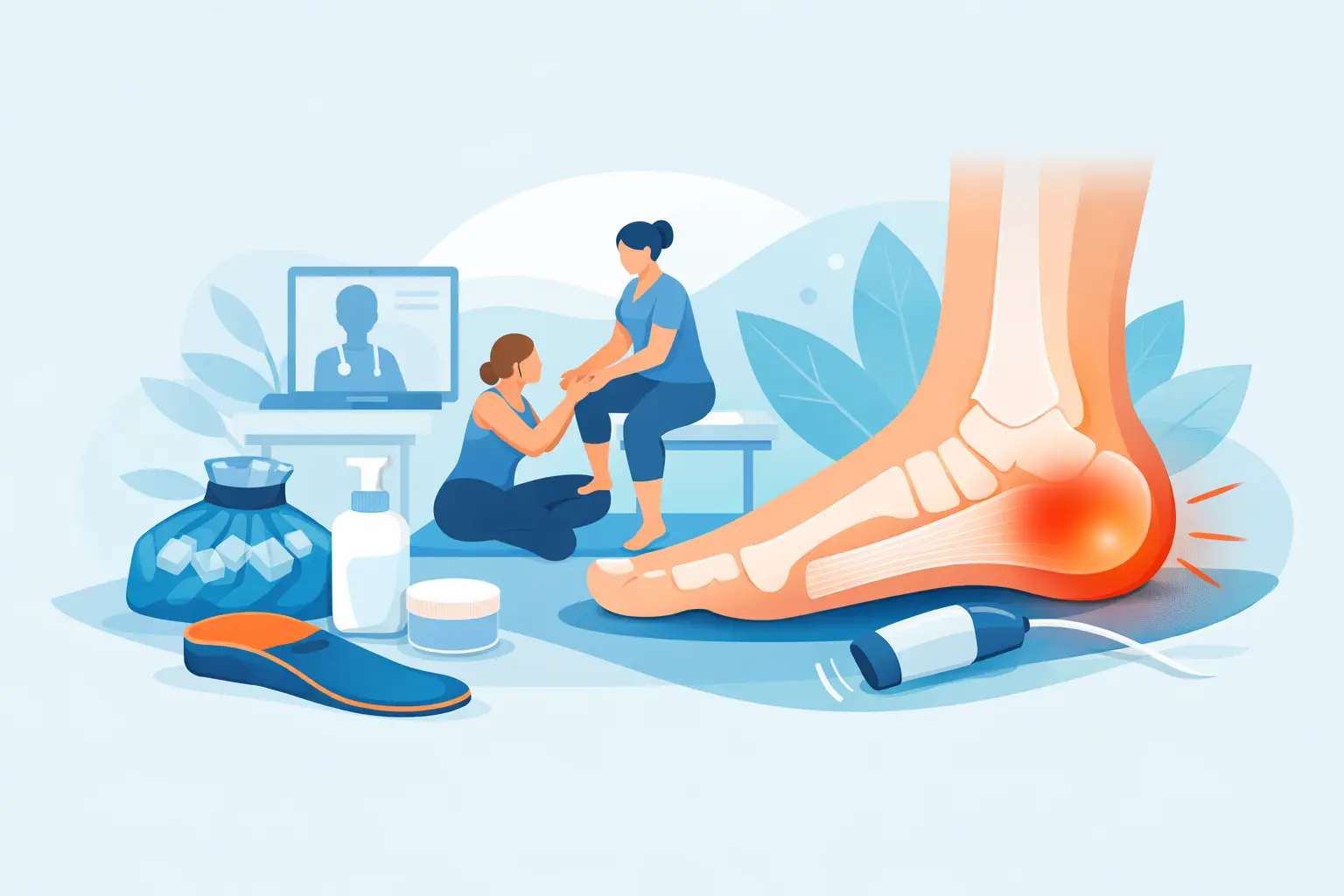
Early treatment is often simple, but it needs to be consistent. Stretching the calf muscles and plantar fascia can reduce tension on the heel. This is especially helpful before getting out of bed and after long periods of sitting. Ice can calm painful flare-ups, particularly after activity. Supportive shoes with cushioning and arch support also matter more than many people realize.
For some patients, over-the-counter inserts provide enough support. For others, custom orthotics are a better choice because they address the way the foot moves and distribute pressure more evenly. If your job keeps you on hard floors all day, even the best exercises may fall short without better support inside the shoe.
Activity changes can help too, but this does not always mean stopping everything. It may mean temporarily reducing high-impact exercise, avoiding barefoot walking on tile or concrete, and choosing lower-impact activity while the heel calms down. The goal is not just to reduce pain today. It is to stop the cycle of repeated irritation that prevents healing.
When home care is not enough
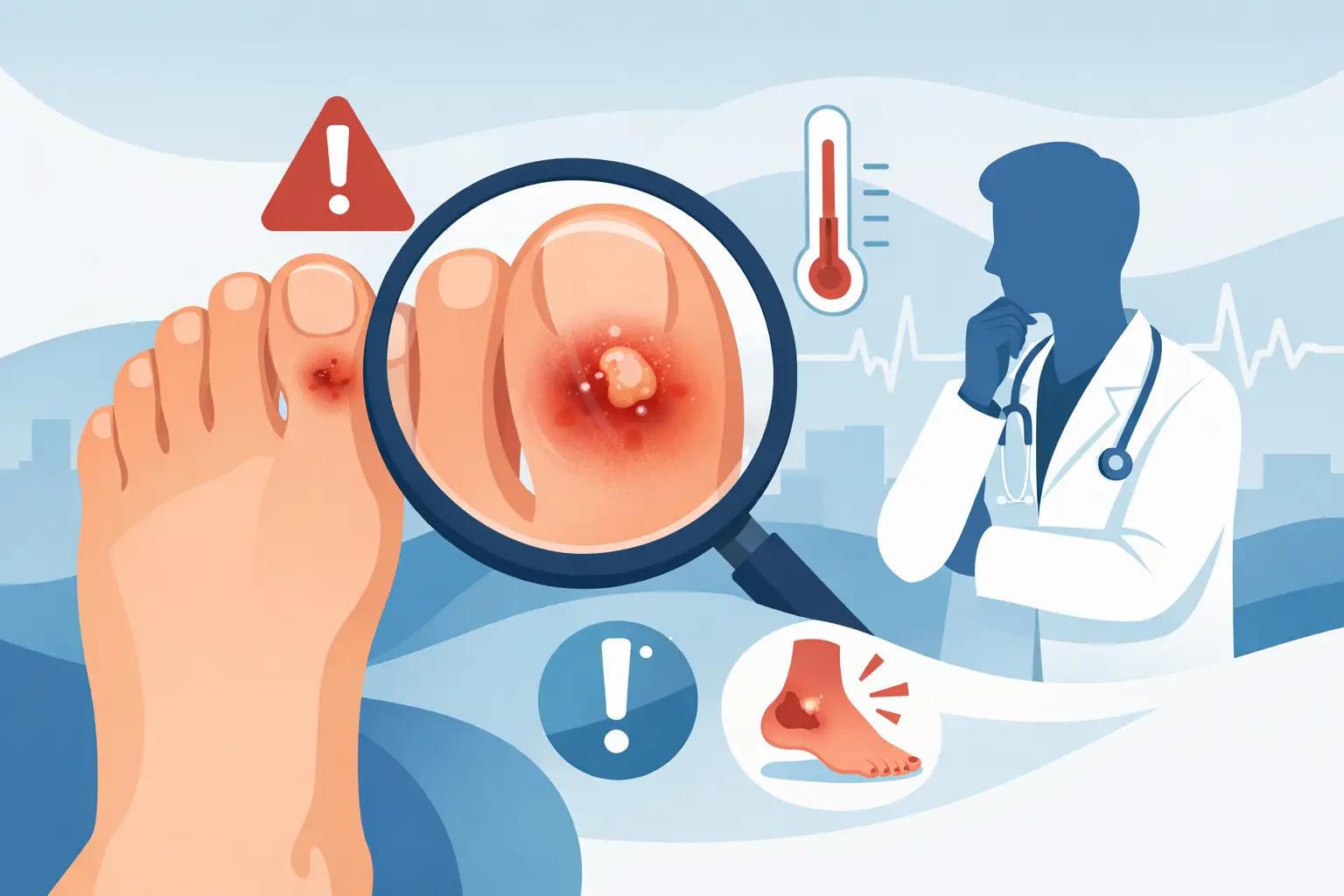
A common mistake is waiting too long before getting the heel evaluated. Heel pain is often called plantar fasciitis, but not every painful heel is the same problem. A stress injury, nerve irritation, tendon involvement, arthritis, or a tear in the fascia can sometimes mimic the same symptoms. That is one reason a professional diagnosis matters.
If pain has lasted more than a few weeks, keeps returning, or limits your ability to work and walk normally, a more structured treatment plan may be the right next step. A podiatrist can evaluate foot structure, gait, flexibility, and areas of tenderness to determine what is actually driving the pain.
This is also where personalized care makes a difference. Someone training for a race needs a different plan than someone with diabetes, arthritis, or a job that requires standing for ten hours a day. The treatment may still be conservative, but it should fit the patient, not just the diagnosis.
Medical treatments that can help avoid surgery
There is no single best treatment for every patient. The right approach depends on severity, duration, lifestyle demands, and whether the tissue is inflamed, degenerative, or both. Still, several non-surgical options are commonly effective.
Custom orthotics can improve alignment and reduce strain on the plantar fascia over time. Night splints may help patients who wake up with severe first-step pain because they keep the foot in a position that reduces overnight tightening. Targeted physical therapy can improve flexibility, strengthen supporting muscles, and correct movement patterns that keep the fascia under stress.
Anti-inflammatory strategies may help in the short term, though they are not always the whole answer. Some cases involve more chronic tissue stress than active inflammation, so simply masking pain may not lead to real improvement. That is why treatment should focus on both symptom relief and tissue recovery.
Advanced plantar fasciitis treatment without surgery
When standard treatment has not been enough, advanced therapies may offer another path forward without the recovery demands of surgery. This is often where patients feel encouraged, especially if they have been dealing with heel pain for months and thought they were out of options.
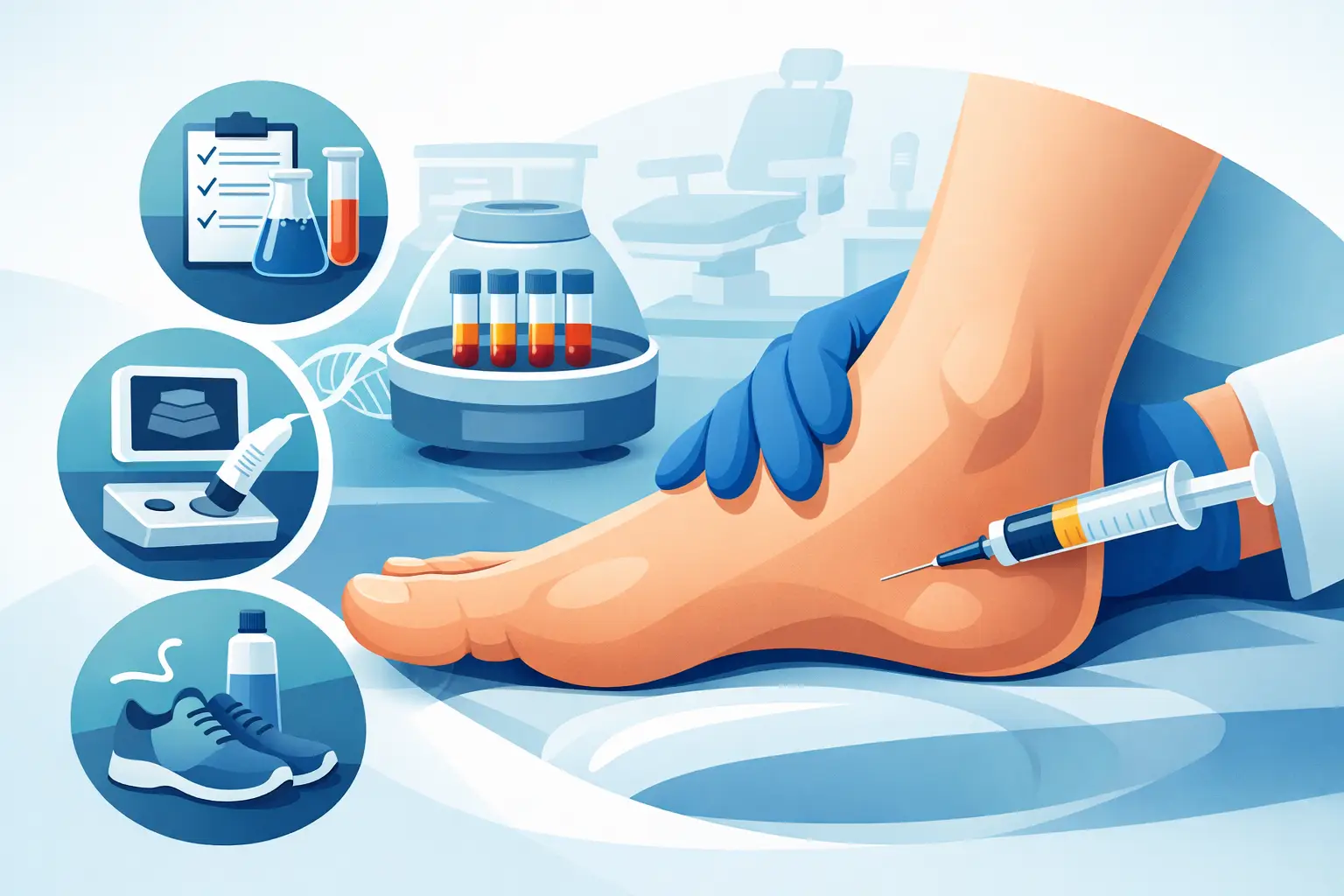
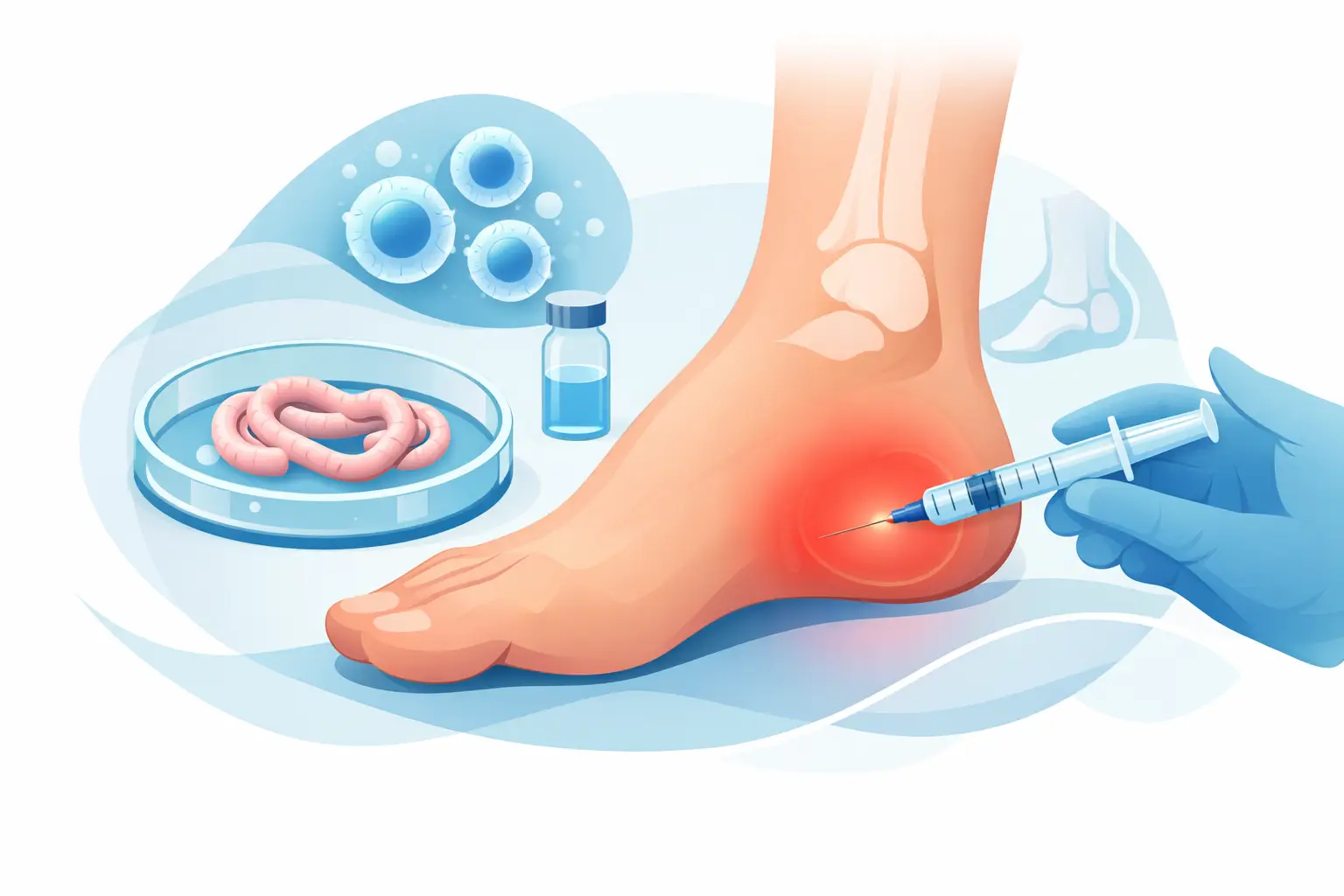
Regenerative and technology-based treatments can be used to support healing in stubborn cases. Depending on the patient and the condition of the tissue, options may include Platelet Rich Plasma, shockwave-based therapies such as StemWave, laser therapy for pain, or other biologic support treatments designed to encourage recovery and reduce chronic irritation.
These options are not interchangeable, and not every patient needs them. A newer treatment is not automatically the best one. The value comes from careful selection and timing. For a patient with persistent heel pain that has not improved with stretching, orthotics, and shoe changes, advanced care may help bridge the gap between basic treatment and surgery.
At Chambers Foot & Ankle, that conservative-treatment-first mindset is central to care. The focus is on relieving pain, improving function, and helping patients get back to normal life with the least invasive option that makes sense for them.
What can make heel pain worse
Sometimes progress stalls because one aggravating factor never gets addressed. Walking barefoot at home is a common issue, especially on hard floors. So is continuing to exercise through heel pain because the discomfort seems manageable at first. Tight calf muscles, old athletic shoes, sudden weight gain, and standing for long shifts can all keep the fascia under strain.
There is also a trade-off to consider with rest. Too much impact can worsen symptoms, but too little movement can increase stiffness and weaken supporting muscles. The best plan usually balances protection with gradual return to activity.
How long non-surgical treatment takes
This is one of the most common questions, and the honest answer is that it depends. Some patients feel significantly better within a few weeks of consistent treatment. Others, especially those who have had pain for months, need a longer recovery window.
Duration often depends on how long the pain has been present, whether there are underlying biomechanical issues, and how much strain daily life places on the foot. Someone who can modify activity and wear supportive footwear consistently may improve faster than someone who stands all day at work and cannot fully offload the heel.
What matters most is progress. Pain that becomes less intense, less frequent, or less limiting is a good sign that treatment is working, even if recovery is not immediate.
Signs it is time to seek care
If heel pain is interfering with your work, exercise, sleep, or daily walking, it is worth getting checked. The same is true if you have tried stretching, ice, and supportive shoes without meaningful relief. Patients with diabetes, circulation concerns, or nerve symptoms should be especially cautious about ongoing foot pain.
Early treatment can often prevent a shorter-term problem from becoming a chronic one. It can also help rule out other causes of heel pain before the issue becomes more complicated.
The encouraging part is that surgery is not the first answer for most people with plantar fasciitis. In many cases, a thoughtful non-surgical plan can reduce pain, support healing, and restore movement without putting your life on hold. If your heel has been telling you something with every step, listening sooner usually makes the road back much easier.