A foot wound that stays open week after week is more than frustrating. It can change how you walk, limit your daily routine, and raise the risk of infection fast. When chronic wound care for feet is delayed, a small sore can become much harder to treat than most people expect.
Many chronic foot wounds begin quietly. A blister from a shoe, a crack in dry skin, pressure from a bunion, or a scrape you barely felt can turn into a wound that does not heal normally. This is especially common in people with diabetes, poor circulation, nerve damage, swelling, or foot deformities that place repeated stress on the same area.
What makes a foot wound chronic?
A wound is generally considered chronic when it has not healed in the expected time frame, often after several weeks, or when it keeps reopening. On the feet, that matters because the skin is under constant pressure from standing and walking. Even a wound that seems small can stall if the tissue is not getting enough oxygen, blood flow, or protection.
There is rarely just one cause. In many cases, chronic wounds develop because several problems overlap. Diabetes may reduce sensation, so a patient does not notice an injury. Circulation issues may slow the delivery of oxygen and nutrients needed for repair. Swelling can stress the skin. Infection can further damage tissue. The result is a wound that lingers instead of closing.
Why chronic wound care for feet needs specialized treatment
Foot wounds are different from cuts on other parts of the body. The feet carry body weight, absorb friction, and often have less room to rest. That makes home care alone less reliable, especially if the wound has drainage, odor, redness, increasing pain, or darkened tissue.
Specialized chronic wound care for feet focuses on the reason the wound is not healing, not just the wound itself. That may include reducing pressure, removing unhealthy tissue, managing infection, improving moisture balance, supporting circulation, and protecting the area while new tissue forms. If one part of that plan is missing, healing can slow down.
This is also where timing matters. The earlier a chronic wound is evaluated, the more treatment options are usually available. Waiting can allow infection to spread deeper into soft tissue or bone, which raises the stakes and often lengthens recovery.
Common causes of chronic foot wounds
Diabetic foot ulcers are one of the most common examples. A patient may step on something sharp, develop a callus that breaks down, or get a pressure sore from shoes that fit poorly. Because neuropathy can reduce feeling, the wound may not be noticed until it has already worsened.
Poor circulation is another major factor. If blood flow to the feet is limited, tissue repair slows down. Wounds may look pale, dry, or unusually painful, though not every patient feels pain the same way.
Pressure and deformity also play a role. Hammertoes, bunions, flatfoot changes, prominent bones, or gait problems can cause certain spots to take too much force. Over time, skin breaks down. In other patients, chronic swelling, vein issues, or trauma creates a wound environment that simply does not recover on its own.
Signs a wound needs prompt medical attention
Some people wait because the wound does not seem dramatic. That can be a mistake. A wound should be evaluated quickly if it is not improving, if it drains, if redness is spreading, or if the surrounding skin becomes warm, swollen, or discolored.
Fever, foul odor, increasing depth, black tissue, or sudden pain can point to a more serious problem. For patients with diabetes or neuropathy, even a painless wound deserves attention. No pain does not mean no danger.
How a podiatrist approaches treatment
The first step is a careful exam. The wound itself matters, but so does the skin around it, the pressure pattern of the foot, circulation, sensation, and signs of infection. In some cases, imaging or vascular testing may be needed to understand what is happening beneath the surface.
Cleaning and debridement
A wound often heals better when dead or damaged tissue is removed. This process, called debridement, helps lower bacteria levels and gives healthy tissue a better chance to grow. It is one of the most common and effective parts of wound treatment, though the right approach depends on the wound type and the patient’s overall health.
Offloading pressure
If a wound is on the bottom of the foot, healing can stall every time you take a step. That is why pressure relief is so important. Offloading may involve a special shoe, padding, a walking boot, inserts, or other protective devices that reduce stress on the wound site.
This can be one of the hardest parts of treatment because patients still need to move through daily life. But it often makes the difference between a wound that lingers and one that finally starts closing.
Infection control
Not every chronic wound is infected, but many are at risk. Treatment may include wound dressings, topical medication, or oral antibiotics when appropriate. If infection is deeper or more aggressive, care may need to be escalated quickly.
Moisture balance and wound dressings
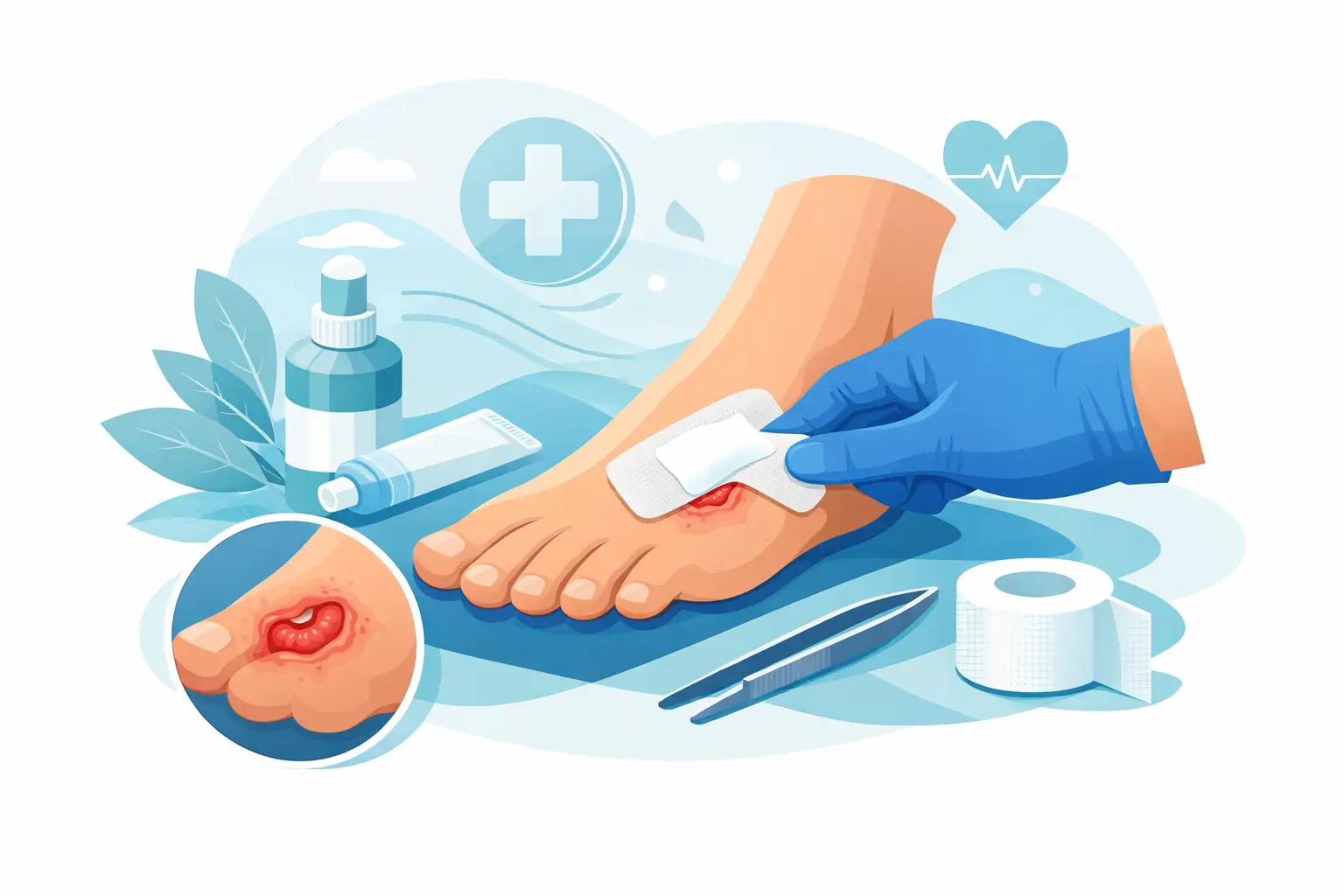
A wound that is too wet or too dry can struggle to heal. The right dressing helps maintain the proper environment while protecting tissue from contamination and friction. There is no single best dressing for every patient. The correct choice depends on drainage, tissue quality, depth, and whether infection is present.
Advanced options when healing stalls
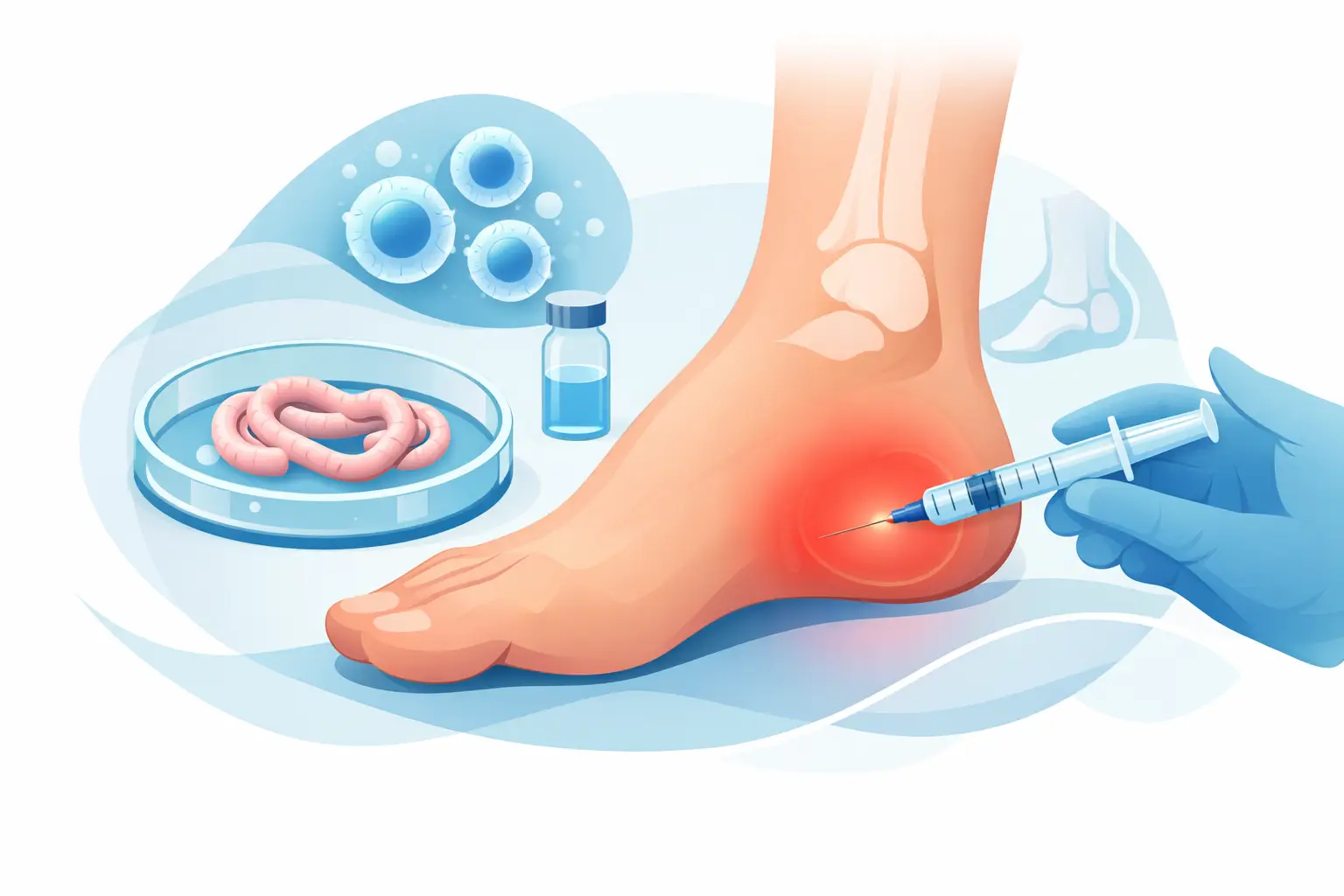
Some wounds need more than basic dressing changes. In those cases, advanced therapies may be considered as part of a broader treatment plan. Depending on the patient and the wound, this may include biologic support, regenerative treatments, or other technologies designed to stimulate tissue repair.
That said, advanced care is not a shortcut if the basics are missing. A wound still needs pressure relief, proper cleaning, and management of underlying medical issues. The best results usually come from combining modern treatment options with careful day-to-day wound management.
For patients in the East Valley, Chambers Foot & Ankle takes a conservative, personalized approach to treatment while offering advanced therapies when they are appropriate and likely to support healing.
What patients can do at home between visits
Home care matters, but it should follow a medical plan. Changing dressings the wrong way, soaking the foot without guidance, or using over-the-counter creams that irritate the tissue can slow progress.
Patients are usually advised to keep the wound clean and covered, follow dressing instructions closely, reduce pressure on the area, and watch for any sign that the wound is getting worse. Blood sugar control is also a major part of healing for diabetic patients. Even excellent wound treatment has a harder time succeeding when glucose levels stay elevated.
Footwear matters more than many people realize. Shoes that rub, compress the toes, or create pressure points can undo progress quickly. In some cases, a simple change in shoe gear helps protect healing tissue and prevent another breakdown.
Preventing chronic wounds from coming back
Healing the current wound is only part of the job. Preventing recurrence is just as important, especially for patients with diabetes, neuropathy, circulation issues, or structural foot problems.
Regular foot checks can catch trouble early. That means looking at the bottoms of the feet, between the toes, and around the heels every day if you are high risk. Skin changes, calluses, cracks, redness, and pressure marks are often early warnings.
Routine podiatry care can also help reduce risk. Managing calluses, trimming nails safely, addressing deformities, and treating areas of abnormal pressure can prevent future wounds before they start. For some patients, custom support or protective footwear becomes an important long-term part of staying active and avoiding setbacks.
When early care can change the outcome
The hardest part about chronic foot wounds is that they often look manageable until suddenly they are not. A wound that seems small on the surface may already involve deeper tissue, and each week of delay can make treatment more complex.
Getting help early does not mean you are overreacting. It means you are giving the wound the best chance to heal well, protecting your mobility, and reducing the risk of infection or more serious complications. If a sore on your foot is not improving, your next step should be guided care, not more waiting.
A healing wound can help you do more than avoid complications. It can help you walk with confidence again, return to normal routines, and feel like your life is not revolving around pain, dressing changes, and worry.