A sore tendon can linger far longer than most people expect. What starts as a nagging ache in the Achilles, peroneal tendons, or the back of the heel can turn into weeks or months of pain with walking, exercise, or even daily errands. If you are asking, does PRP help tendon healing, the short answer is sometimes – but the real answer depends on the tendon, the severity of the injury, and whether the treatment is part of a full recovery plan.
Does PRP help tendon healing in the foot and ankle?
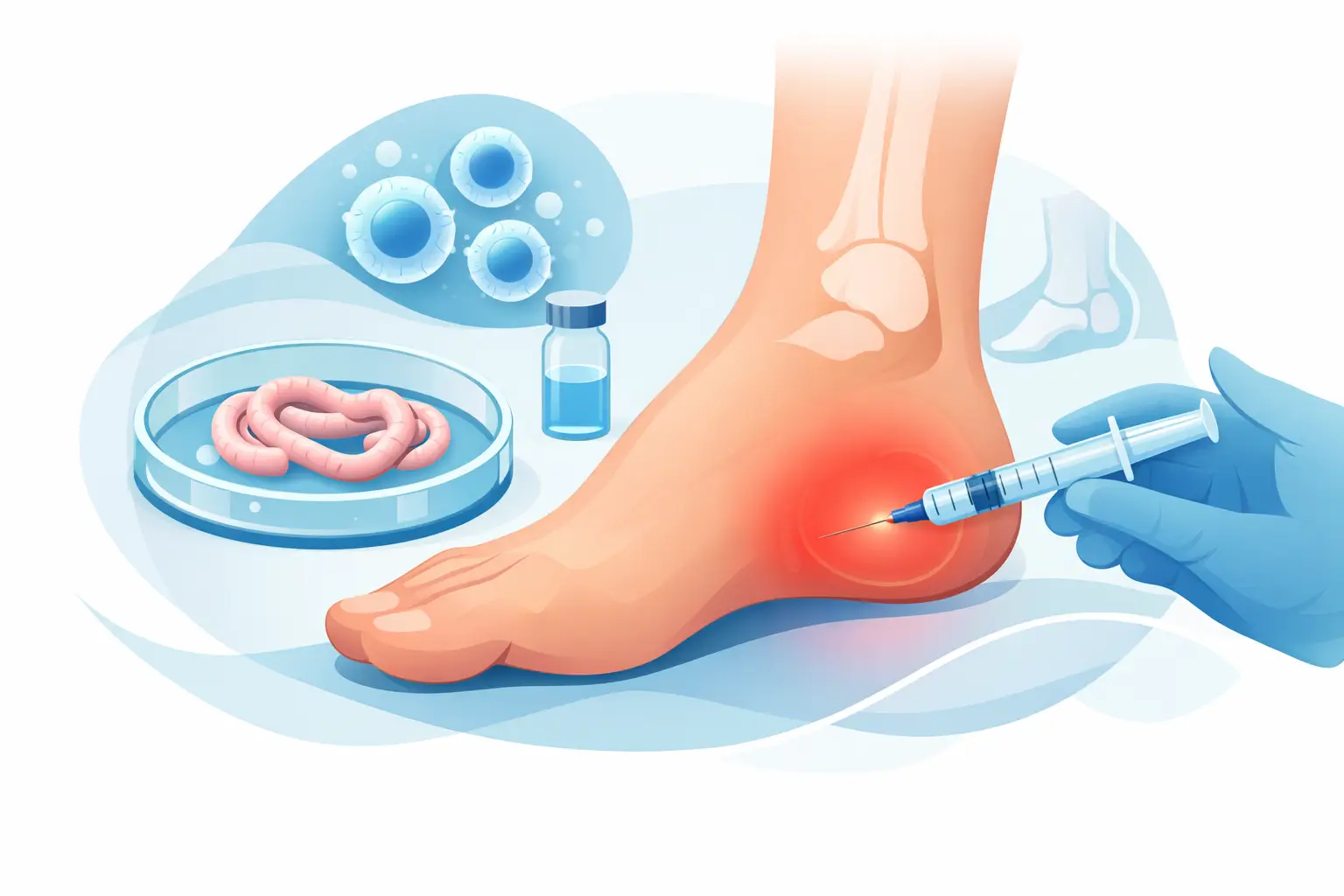
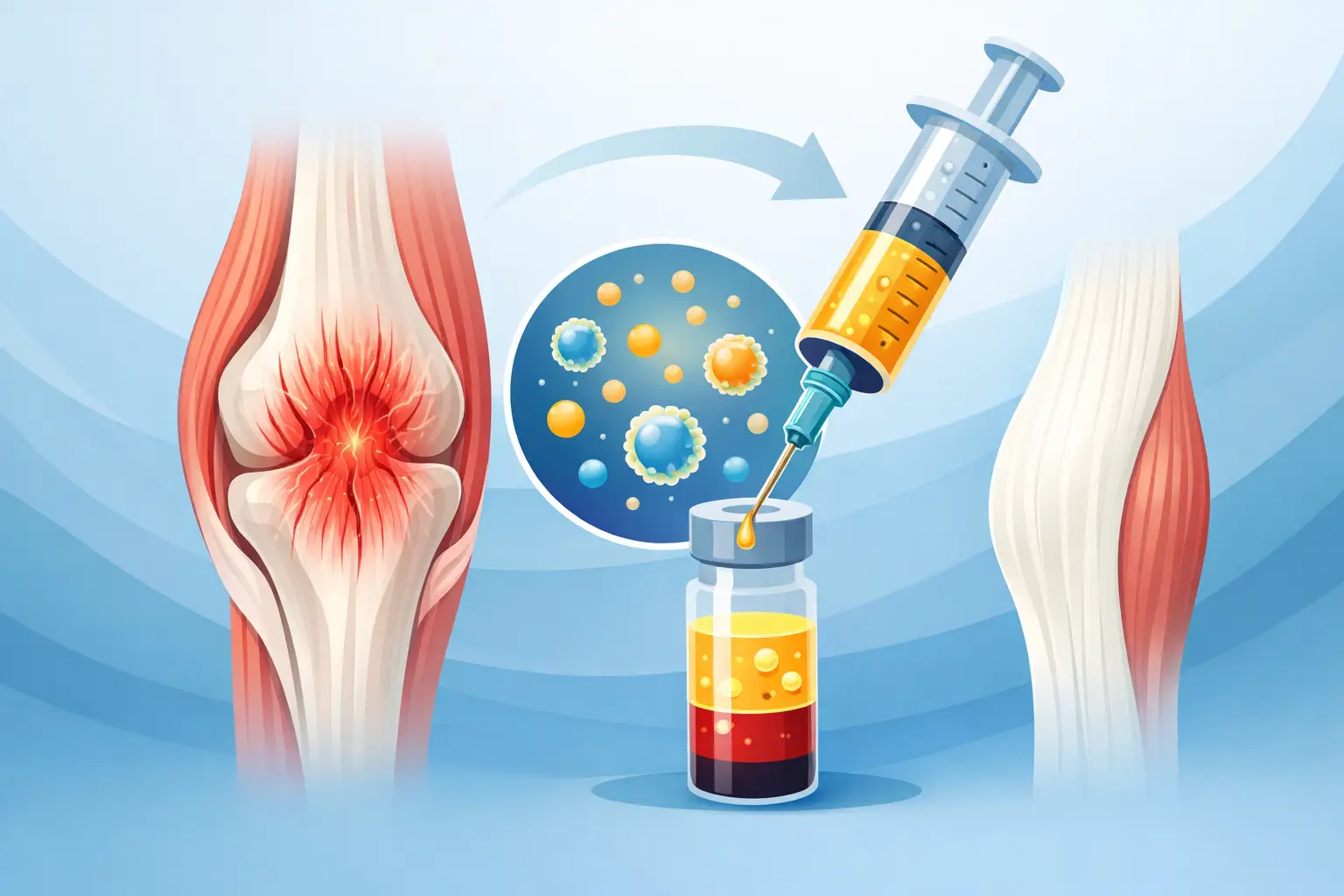
PRP stands for platelet-rich plasma. It is made from a sample of your own blood that is processed to concentrate platelets and growth factors. That concentrated plasma is then injected into the injured area with the goal of supporting the body’s natural healing response.
For tendon injuries, PRP is usually considered when pain has lasted longer than expected or when standard conservative care has not fully worked. In foot and ankle care, that may include chronic Achilles tendinopathy, partial tendon injuries, plantar fascia problems that overlap with tendon strain, or stubborn overuse conditions that keep flaring up.
The reason PRP gets attention is simple. Tendons do not always heal quickly. They have a limited blood supply compared with muscle, which can slow recovery. PRP is designed to bring a higher concentration of healing signals directly to the damaged tissue. In the right patient, that may help reduce pain and improve tendon recovery over time.
How PRP may support tendon healing
Tendon problems are not all the same. Some are acute injuries, while others are chronic degenerative conditions where the tissue has been irritated over and over without fully repairing itself. PRP tends to be discussed more often for these chronic cases than for fresh, complete tears.
When PRP is injected into an injured tendon, the goal is not to numb pain the way a steroid injection might. Instead, the goal is to stimulate a healing response. Platelets release growth factors that may help with tissue repair, collagen formation, and local healing activity. That is why PRP is often viewed as a regenerative treatment rather than just a temporary pain treatment.
This matters because many tendon issues in the foot and ankle are less about one dramatic injury and more about wear, overload, or repeated strain. If a tendon has been struggling for months, simply masking pain may not solve the underlying problem. A treatment that aims to support repair can be appealing, especially for people who want to stay active and avoid more invasive procedures when possible.
What the research actually says
This is where nuance matters. PRP is promising, but it is not a guaranteed fix, and study results are mixed.
Some research shows improvement in pain and function for certain tendon conditions, especially chronic tendinopathy. Other studies show little difference when PRP is compared with structured physical therapy or other non-surgical treatments. Part of the reason is that PRP is not one single product used the same way every time. Preparation methods vary, injection techniques vary, and the type of tendon problem being treated varies.
That makes broad claims difficult. A person with mild chronic Achilles tendinosis is different from someone with a significant partial tear. A sedentary adult with diabetes has different healing challenges than a runner trying to train through overuse pain. Those differences affect outcomes.
So, does PRP help tendon healing? For some patients, yes, it can be a useful part of treatment. For others, results may be modest or slower than expected. The best approach is to evaluate the tendon carefully and decide whether PRP fits the bigger picture.
Which tendon problems may respond best?
PRP is generally more likely to be considered for chronic tendon pain than for complete ruptures. In foot and ankle care, one of the most common examples is Achilles tendinopathy. This can cause pain, stiffness, and thickening in the tendon, especially with walking, stairs, or athletic activity. If symptoms continue despite rest, shoe changes, bracing, activity modification, and therapy, PRP may be worth discussing.
Other cases may include partial tendon injuries or chronic irritation involving tendons around the ankle and foot. The key is that the tendon still has healing potential and that the problem has been clearly diagnosed. If a tendon is severely torn or structurally unstable, surgery or other interventions may still be more appropriate.
A proper exam matters here. Tendon pain can overlap with bursitis, arthritis, nerve issues, heel pain, or ligament injuries. Treating the wrong source of pain with PRP is unlikely to produce a good result.
When PRP may not be the best choice
PRP is not ideal for every patient or every tendon issue. If there is a complete tendon rupture, major structural damage, or a problem that requires mechanical repair, PRP alone is not likely to solve it. It may also be less helpful if a person continues the same overload pattern that caused the problem in the first place.
There are also patient factors to consider. Healing can be slower in people with certain chronic medical conditions, poor circulation, or significant inflammation elsewhere in the body. Medications, smoking, and overall health may affect response as well.
Timing matters too. Some people seek PRP after only a few days of pain, when simpler conservative treatments may still work very well. Others wait too long and try it after a tendon problem has become severe and function is already significantly limited. The best time to consider PRP is usually after a clear diagnosis and after basic conservative care has been tried thoughtfully, not casually.
PRP works best as part of a plan
One of the biggest misunderstandings about regenerative medicine is the idea that the injection does all the work. In reality, even if PRP helps tendon healing, recovery still depends on what happens before and after the procedure.
Most tendon injuries need a plan that may include activity modification, supportive footwear, bracing when needed, stretching or strengthening at the right stage, and gradual return to load. If the tendon is injected and then immediately stressed the same way that caused the injury, results are often disappointing.
That is why treatment should be personalized. A patient with insertional Achilles pain may need a different recovery approach than someone with mid-portion tendinosis. A person on their feet all day for work needs practical guidance that fits real life, not just ideal conditions. At Chambers Foot & Ankle, that kind of individualized care is an important part of deciding whether advanced options like PRP make sense.
What to expect after a PRP injection
PRP is usually done in the office. Because it uses your own blood, the process begins with a blood draw. The sample is spun down to separate and concentrate the platelets, and the PRP is then injected into the target area.
After the injection, it is common to have soreness for a few days. That does not necessarily mean something is wrong. Since the goal is to stimulate a healing response, temporary irritation can happen. Improvement is usually not immediate. PRP is different from a treatment that provides fast numbing or inflammation suppression.
Most patients need patience. Tendon tissue heals slowly, and progress may unfold over several weeks or months. Follow-up care is important so activity can be adjusted based on how the tendon responds.
The real question is whether PRP fits your case
If you have ongoing foot or ankle tendon pain, the better question may not be simply does PRP help tendon healing, but does it help your specific tendon problem. That answer depends on diagnosis, severity, activity level, overall health, and whether the tendon is still a good candidate for non-surgical healing.
A careful evaluation can help sort that out. Imaging may be useful in some cases. So can looking at gait, footwear, work demands, and previous treatment history. PRP tends to make the most sense when it is chosen for a clear reason, not just because it sounds newer or more advanced.
For many patients, the goal is not just to feel a little better for a few weeks. It is to walk comfortably, stay active, and avoid a cycle of flare-ups. PRP may help move that process forward when the tendon is slow to recover and conservative care needs added support.
If your tendon pain has been hanging on longer than it should, you do not have to guess your way through it. The right next step is getting an accurate diagnosis and a treatment plan that matches how you live, how active you are, and what your tendon needs to heal well.