
A foot ulcer can begin as a small break in the skin, but it should never be treated as a minor problem. If you are wondering how to heal foot ulcers, the safest answer is to act early with professional wound care, pressure relief, and close monitoring. For people with diabetes, poor circulation, or numbness in their feet, prompt treatment can help prevent infection, hospitalization, and avoidable tissue loss.
Why Foot Ulcers Need Prompt Attention
A foot ulcer is an open sore that commonly develops on the bottom of the foot, heel, toes, or areas that rub against a shoe. It may result from repeated pressure, friction, an injury that went unnoticed, poor circulation, or nerve damage called neuropathy.
Neuropathy is a particular concern because it reduces sensation. A person may step on something sharp, develop a blister, or continue walking on a pressure point without feeling pain. By the time the skin opens, the wound may already be deeper than it appears.
Diabetes is one of the most common conditions associated with foot ulcers, but it is not the only one. Artery disease, swelling, foot deformities, arthritis, previous wounds, and limited mobility can all make healing more difficult. The goal is not simply to close the skin. Proper care addresses the reason the ulcer developed so it is less likely to return.
How to Heal Foot Ulcers With the Right Medical Care
Healing a foot ulcer usually requires a personalized plan rather than a single product or home remedy. A podiatrist evaluates the wound’s depth, location, drainage, surrounding skin, blood flow, sensation, and signs of infection. If needed, imaging or vascular testing may be used to look for bone involvement or circulation problems.
Clean and protect the wound
A wound care plan often includes gentle cleansing and a dressing selected for the wound’s moisture level and amount of drainage. Some ulcers need a dressing that absorbs excess fluid, while a dry wound may need a dressing that supports a properly moist healing environment. The right choice depends on the wound itself.
Avoid pouring hydrogen peroxide, rubbing alcohol, or strong antiseptics into an ulcer unless your treating clinician specifically directs you to do so. These products can damage healthy healing tissue. Likewise, do not pick at dead skin, cut away calluses, or attempt to remove tissue at home.
A podiatrist may perform careful debridement, which is the removal of unhealthy tissue, thick callus, or debris around the wound. This can reduce pressure at the ulcer’s edge and allow healthy tissue to heal more effectively. It should be performed by a qualified medical professional, particularly when diabetes, neuropathy, or poor circulation is present.
Take pressure off the ulcer
Offloading is one of the most effective parts of foot ulcer treatment. It means reducing or removing pressure from the wound as it heals. Without offloading, even excellent dressings may fail because each step repeatedly irritates the damaged area.
Depending on the ulcer’s location and your balance, activity level, and circulation, offloading may involve a removable walking boot, healing sandal, custom insert, specialty shoe, felt padding, crutches, or another device. A total contact cast can be appropriate for some patients, but it is not right for everyone. The best option protects the wound while keeping you as safe and mobile as possible.
This is where many ulcers stall. A wound may look better after a few days, leading someone to return to regular shoes or normal activity too soon. Healing tissue is fragile. Follow your clinician’s weight-bearing instructions even if the wound is no longer painful.
Treat infection quickly and thoroughly
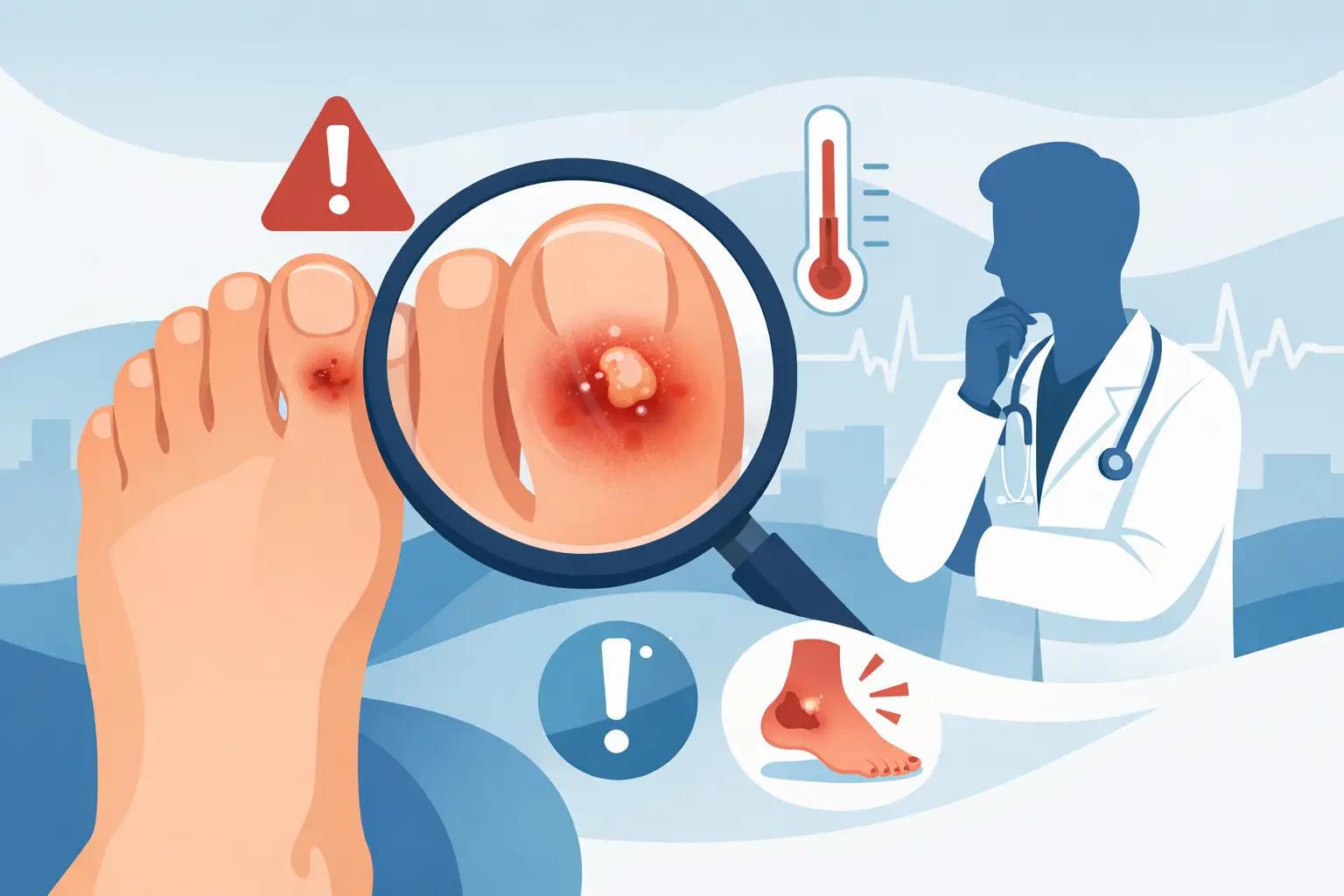
An infected foot ulcer requires urgent medical care. Warning signs include redness that spreads, warmth, swelling, increasing drainage, foul odor, pus, fever, chills, or skin that turns dark, gray, or blue. Pain can also be a warning sign, although neuropathy may prevent pain from being noticeable.
Treatment may include wound cultures, oral or intravenous antibiotics, more frequent debridement, and imaging to check whether infection has reached the bone. Antibiotics can be necessary when infection is present, but they do not replace pressure relief, wound cleaning, or removal of unhealthy tissue.
Seek same-day medical evaluation for any rapidly worsening wound, red streaking, fever, severe swelling, black tissue, or a new ulcer in a person with diabetes. If you have diabetes and notice a break in the skin that does not improve quickly, contact a foot specialist rather than waiting for it to become painful.
Support Healing From the Inside
A wound needs adequate blood flow, nutrition, and stable medical conditions to heal. For patients with diabetes, managing blood sugar is a major part of wound care. High glucose levels can impair immune function, reduce circulation, and make infection harder to control. Your podiatrist may coordinate with your primary care physician or diabetes care team to support better healing.
Protein, calories, hydration, and key nutrients also matter. Some people unintentionally eat too little while ill or inactive, which can slow tissue repair. A clinician may recommend nutritional support when healing is delayed, especially for older adults or patients with a poor appetite.
Smoking and nicotine use restrict blood flow and can significantly delay healing. Reducing or stopping nicotine is one of the most meaningful steps a patient can take during wound treatment. If circulation is limited, a vascular evaluation may be needed. No dressing or advanced therapy can fully overcome severely inadequate blood supply without addressing the underlying circulation issue.
Advanced Options for Slow-Healing Wounds
Some foot ulcers need more than routine dressings and offloading. When a wound is not progressing as expected, your podiatrist may consider advanced wound-care options based on the cause, depth, circulation, and infection status.
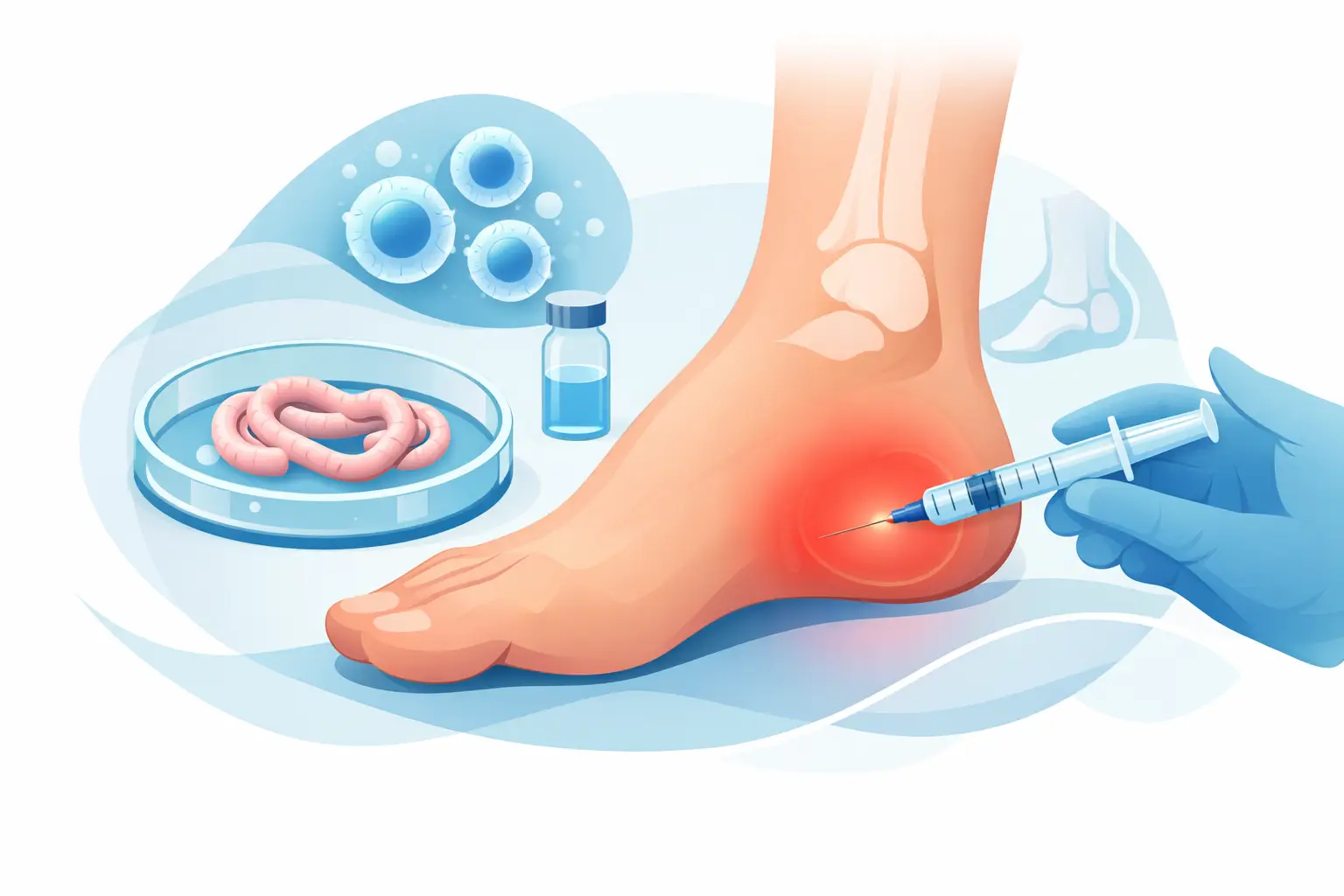
These may include cellular or tissue-based products, specialized biologic treatments, negative-pressure wound therapy, or regenerative approaches intended to support the body’s healing response. Certain advanced treatments can be valuable, but they are not a substitute for the fundamentals: controlling infection, improving circulation when possible, removing pressure, and keeping follow-up appointments.
At Chambers Foot & Ankle, treatment is guided by the condition of the wound and the person behind it. Conservative care is prioritized whenever appropriate, with advanced options considered when they can meaningfully support healing and protect long-term mobility.
What to Do at Home Between Appointments
Home care should follow the instructions provided by your wound-care clinician. Keep the dressing clean and dry, change it exactly as directed, and inspect the area daily if you can safely do so. If reduced vision, limited flexibility, or neuropathy makes self-checks difficult, ask a family member or caregiver to help.
Wear only the shoes, boot, or offloading device recommended for you. Do not walk barefoot, even indoors. Check the inside of footwear for loose seams, pebbles, or worn spots before putting it on. A small object in a shoe can cause serious skin damage when sensation is reduced.
Avoid soaking the ulcer in a bath, hot tub, or pool unless your clinician says it is safe. Excess moisture can soften the surrounding skin, increase contamination risk, and interfere with the dressing plan.
Preventing Another Foot Ulcer
Once an ulcer closes, prevention becomes the next stage of treatment. Recurrence is common when pressure, deformity, numbness, or circulation problems remain. Regular podiatric visits can help manage calluses, nail problems, shoe fit, and early skin changes before they become open wounds.
Check both feet every day, including the soles and between the toes. Look for redness, cracks, blisters, drainage, swelling, or areas of rubbing. Well-fitting shoes, clean moisture-wicking socks, and prescribed diabetic inserts or custom orthotics can reduce repeated pressure in vulnerable areas.
A healed ulcer is a positive milestone, but it is also a reminder to stay watchful. Early attention to even a small skin change can protect your comfort, independence, and ability to keep doing the things you enjoy.