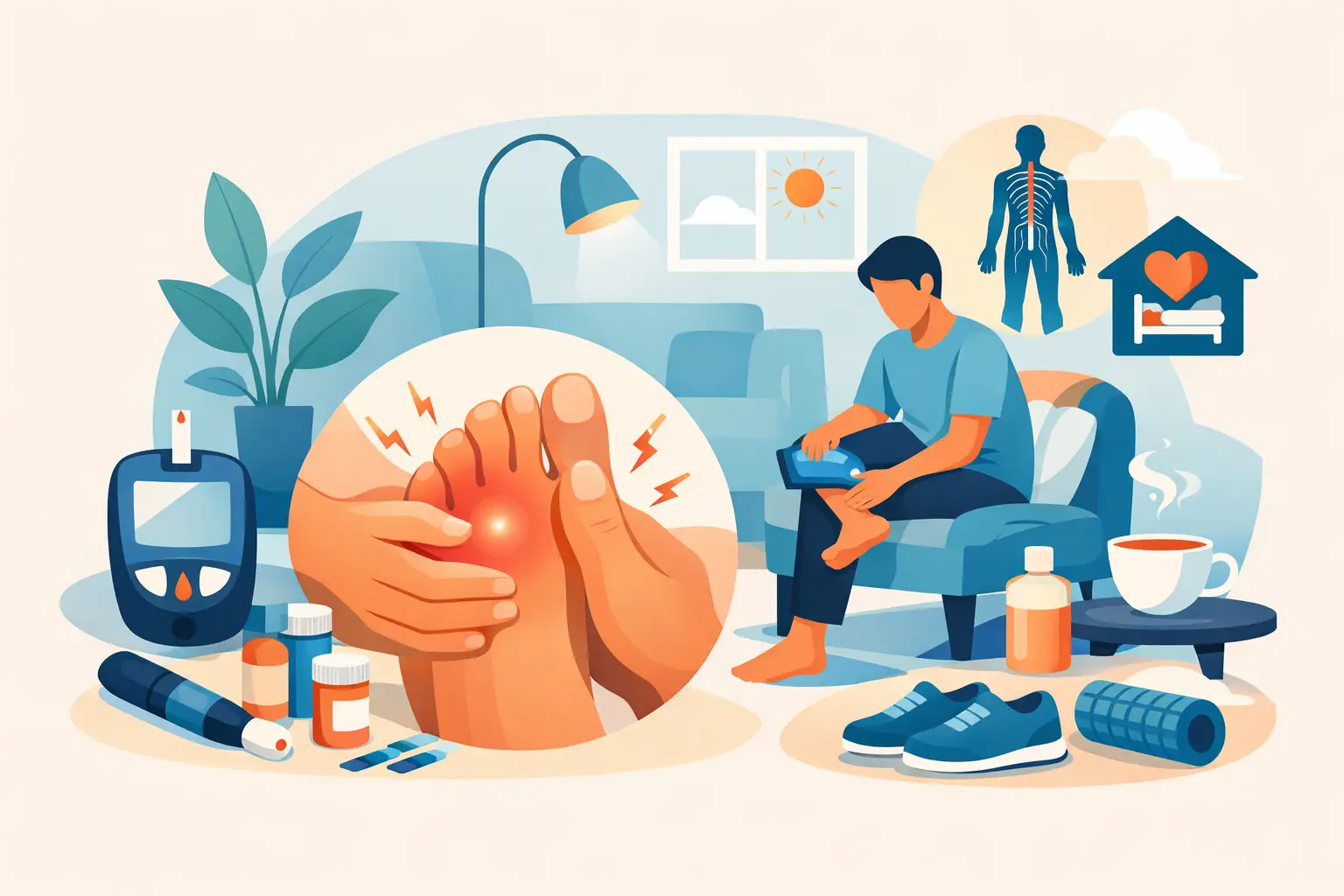
Burning, tingling, numbness, or a feeling that your socks are bunched up when they are not can make every step unsettling. Learning how to manage diabetic neuropathy is not only about reducing discomfort. It is also about protecting your feet from small injuries that can become serious when sensation is reduced.
Diabetic neuropathy can change gradually, which is why many people do not realize how much it is affecting their balance, sleep, activity level, or foot health until pain or a wound forces them to slow down. Consistent care can help you stay mobile, catch problems early, and continue doing more of what you enjoy.
What diabetic neuropathy does to your feet
High blood sugar over time can damage the nerves that carry messages between your brain and the rest of your body. In the feet, this may cause painful nerve symptoms, reduced feeling, or both. Some people notice sharp or electric sensations. Others may not feel a pebble in a shoe, a blister, a cut, or heat from pavement.
Loss of sensation creates a particular risk because an injury can go unnoticed and continue to worsen. Diabetes can also affect circulation and the body’s ability to heal. A minor pressure spot may become an open wound if it is not addressed promptly.
Neuropathy symptoms are not identical for everyone. The right plan depends on whether pain, numbness, balance issues, skin changes, deformity, circulation concerns, or an existing wound is the main issue. That is why an individualized foot examination matters.
How to manage diabetic neuropathy with daily foot care
Daily foot care is one of the most practical ways to lower your risk of complications. Make it part of a routine you already do, such as getting dressed in the morning or preparing for bed.
Look at the tops, soles, heels, sides, and spaces between your toes every day. Check for redness, swelling, cracks, blisters, calluses, cuts, drainage, or changes in nail color. If reaching your feet is difficult, use a hand mirror or ask a family member to help. Do not assume a spot is harmless just because it does not hurt.
Wash your feet in lukewarm water, then dry them carefully, especially between the toes. Test the water with your hand or elbow first rather than your foot, since numbness can make it hard to judge temperature. Apply moisturizer to dry skin, but avoid putting lotion between the toes, where excess moisture can contribute to skin breakdown or infection.
Never walk barefoot, including around the house, near a pool, or on hot outdoor surfaces. Wear clean, dry socks and well-fitting shoes with room for your toes. Before putting shoes on, check inside for small objects, rough seams, or worn areas that could rub your skin.
Avoid trying to cut away corns or calluses yourself or using over-the-counter medicated corn removers. These products can damage healthy skin, particularly when sensation or circulation is limited. Thick nails, calluses, and pressure points are safer to manage with professional diabetic foot care.
Choose shoes for protection, not just appearance
A shoe that feels fine for a few minutes can still create pressure over several hours. Look for a stable sole, a roomy toe box, a secure heel, and minimal interior seams. If your foot shape has changed, you have a bunion or hammertoe, or you have had a previous ulcer, you may need extra-depth shoes, custom inserts, or other offloading options.
Shoes should not need a break-in period that causes rubbing. Bring your usual footwear to a podiatry visit when possible. Wear patterns on the sole and pressure marks on your skin can offer useful clues about where problems are developing.
Keep blood sugar and whole-body health in the plan
Foot care protects the outside of the foot. Managing the health factors that affect nerves and healing supports the inside. Work with the clinician managing your diabetes to keep blood glucose within the target range recommended for you. Stable blood sugar cannot always reverse established nerve damage, but it may help slow progression and supports wound healing.
Your care plan may also include attention to blood pressure, cholesterol, nutrition, sleep, and tobacco use. Smoking and nicotine products can reduce circulation, making it harder for the body to repair damaged tissue. Regular movement can support circulation, strength, and blood sugar control, but the best activity depends on your feet.
For example, walking may be a good choice when your skin is intact and your shoes fit well. If you have an ulcer, a painful pressure area, severe numbness, or significant balance changes, you may need a lower-impact activity or a temporary reduction in weight-bearing. Do not push through a foot problem simply to meet an exercise goal.
Treat nerve pain without ignoring the cause
Painful diabetic neuropathy can interrupt sleep, make sheets feel irritating, and limit your ability to work or exercise. Tell your medical provider exactly what you are feeling, when symptoms occur, and what makes them worse. Prescription medications may be considered to reduce nerve pain, though they do not repair the damaged nerve itself and may have side effects such as sleepiness, dizziness, or swelling.
A podiatric evaluation can also identify pain that may be overlapping with neuropathy. Heel pain, arthritis, tendon problems, nerve compression, poor shoe support, or a developing stress injury can all contribute to foot discomfort. Treating those conditions may improve function even if neuropathy remains present.
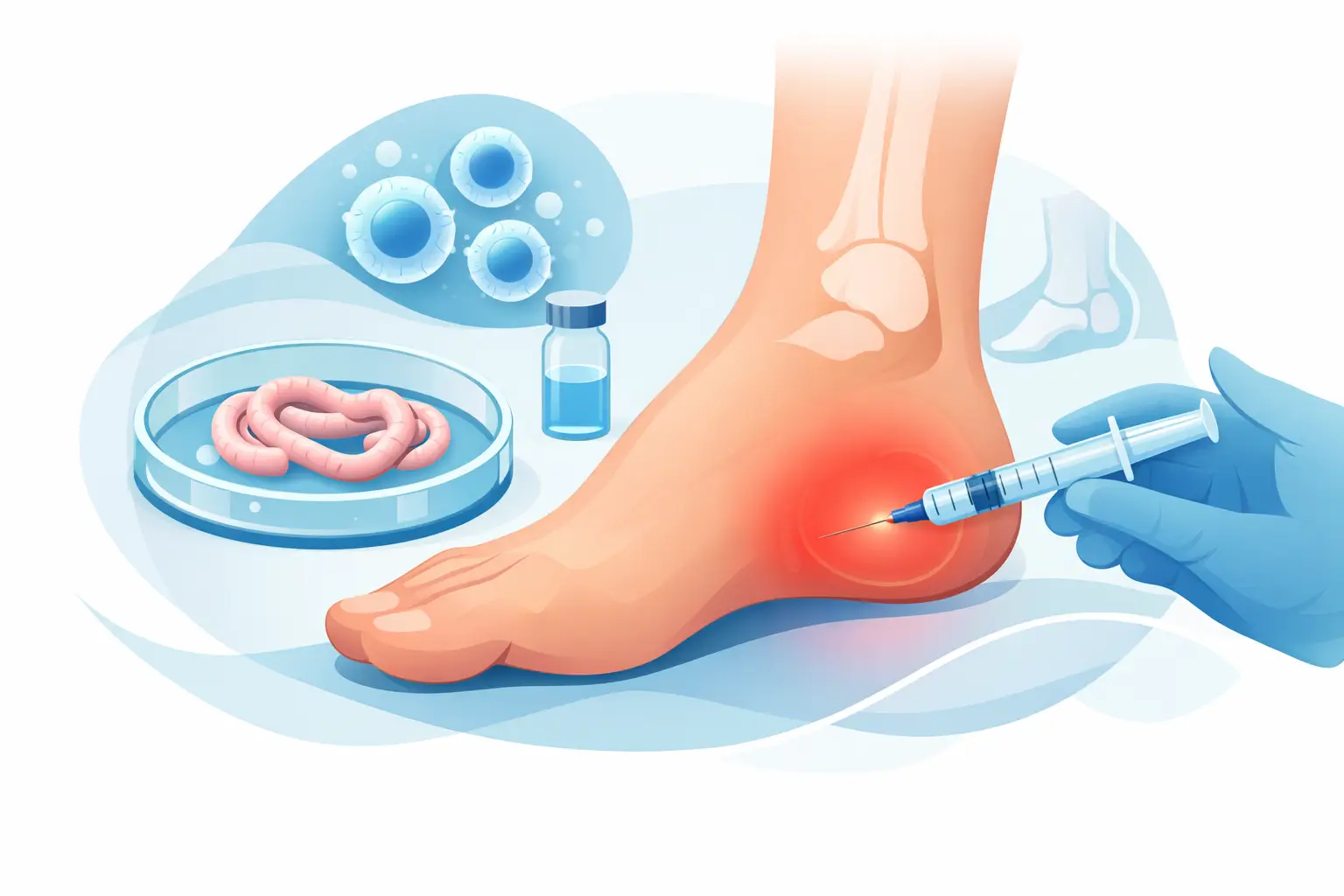
Conservative care often comes first. Depending on the diagnosis, this can include footwear changes, custom orthotics, padding, activity modification, nail and callus care, or treatment designed to reduce painful inflammation. Some patients may be candidates for modern pain-relief therapies. The appropriate option should be based on a thorough exam, your medical history, and realistic treatment goals.
Protect balance and prevent falls
Numbness in the feet can make it harder to sense the ground beneath you. This may be especially noticeable on uneven surfaces, stairs, or in low light. If you feel unsteady, do not dismiss it as simply getting older.
Keep walking paths clear, use supportive shoes indoors, and make sure hallways and stairways are well lit. A provider may recommend balance training, strengthening exercises, physical therapy, or an assistive device in some cases. These steps can help you stay active while reducing the chance of a fall or ankle injury.
Know when to call a foot specialist
Do not wait for a routine appointment if you notice an open sore, drainage, spreading redness, warmth, swelling, a new odor, black or blue skin, or a sudden change in foot shape. Seek prompt medical attention for fever or signs of infection. Even a small blister or cut deserves timely evaluation when you have diabetes and reduced sensation.
You should also schedule a foot exam if you have increasing numbness, burning pain that disrupts sleep, recurring calluses, thick or difficult-to-trim nails, or shoes that no longer fit comfortably. Regular visits allow a podiatrist to assess skin health, pulses, sensation, foot structure, and areas of excess pressure before they become emergencies.
At Chambers Foot & Ankle, diabetic foot care is centered on careful evaluation, conservative treatment whenever appropriate, and an ongoing plan that fits your lifestyle. The goal is not merely to address a symptom in the moment, but to help protect your mobility and confidence over time.
Neuropathy asks for consistency, not perfection. A daily foot check, a better-fitting shoe, and an early call about a skin change may seem small, but those choices can help keep you safely on your feet for the life you want to live.