
A small pebble in a shoe, a blister from a new sandal, or a dry crack at the heel can become a serious problem when you have neuropathy. Knowing how to protect neuropathic feet is not about being fearful of every step. It is about building simple habits that catch problems early, reduce pressure on vulnerable areas, and help you stay comfortably active.
Neuropathy can reduce or change sensation in the feet. Some people feel numbness, burning, tingling, or sharp pain. Others may not feel an injury at all. When pain no longer provides a reliable warning, your eyes, your daily routine, and your podiatric care become the protection your feet need.
How to protect neuropathic feet at home
The most effective foot-protection plan is usually consistent rather than complicated. A brief check every day can identify changes long before they become an infected wound or ulcer.
Check both feet every day
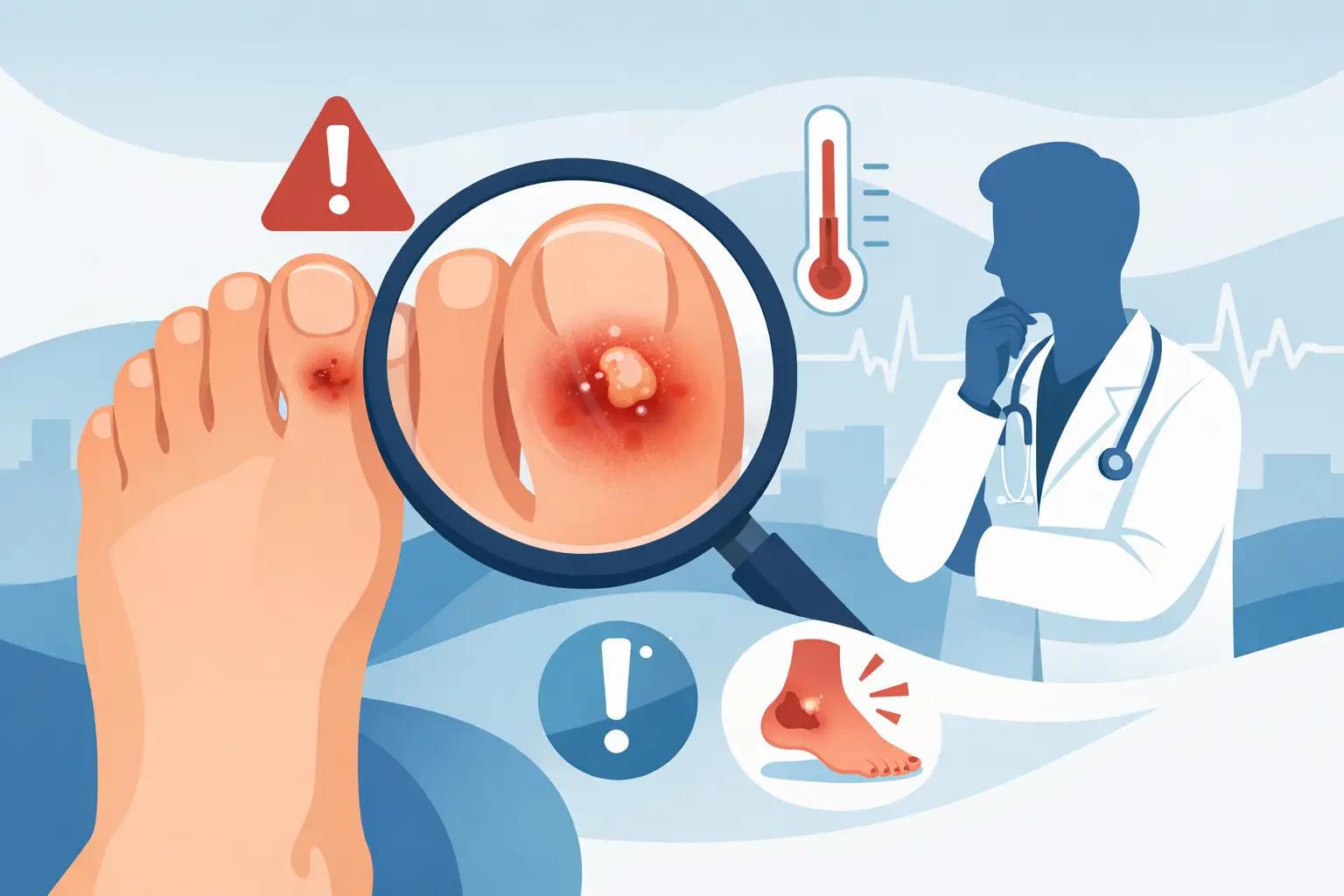
Look at the tops, bottoms, heels, sides, and spaces between your toes. If bending is difficult, use a hand mirror or ask a family member to help. Look for redness, swelling, cuts, blisters, calluses, cracked skin, drainage, discoloration, or areas that feel unusually warm or cool.
Pay attention to any spot that appears different from the day before. A red mark under a callus, for example, may be an early sign of pressure and tissue damage. Do not assume it will disappear on its own simply because it does not hurt.
Wash gently and dry completely
Wash your feet with mild soap and lukewarm water. Always test the water with your hand or elbow first, especially if numbness makes it hard to judge temperature with your feet. Hot water, heating pads, electric blankets, and hot pavement can cause burns without you realizing it.
Dry carefully, including between the toes. Moisture trapped there can contribute to skin breakdown or fungal infection. Apply a moisturizing cream to dry skin on the tops and bottoms of the feet, but keep lotion out of the spaces between the toes.
Do not treat foot problems aggressively at home
Avoid cutting corns or calluses yourself, using medicated corn removers, or attempting bathroom surgery on an ingrown nail. These products and tools can damage healthy skin, particularly when circulation is reduced or sensation is limited.
A podiatrist can safely reduce thick calluses, manage nail concerns, and identify the pressure source that keeps the problem coming back. This is often more helpful than repeatedly trying to cover the symptom at home.
Shoes are a daily medical decision
For someone with neuropathy, footwear is more than a comfort choice. Shoes can either protect the skin from rubbing and pressure or create the injury that leads to a wound.
Wear clean, well-fitting shoes whenever you are walking, even inside the house. Going barefoot raises the risk of stepping on something sharp, stubbing a toe, or burning the sole of your foot on a hot surface. This matters especially in Mesa, where walkways, patios, and pool decks can become dangerously hot.
Choose shoes with a roomy toe box, supportive sole, secure heel, and enough depth to avoid rubbing the top of the toes. The shoe should feel comfortable when you first put it on. Do not expect a tight shoe to break in safely over time.
Before putting shoes on, run your hand inside each one. Check for pebbles, loose lining, rough seams, or objects left inside. Then inspect your socks. Smooth, clean socks without tight elastic bands or bulky seams can reduce friction. Change them daily and anytime they become damp.
Some people benefit from prescription diabetic shoes, custom inserts, or other offloading devices. Whether these are appropriate depends on your foot shape, callus pattern, circulation, balance, history of ulcers, and activity level. A podiatric evaluation can help determine whether standard supportive footwear is enough or whether added protection is needed.
Manage pressure before it becomes a wound
Neuropathic ulcers often begin where repeated pressure builds up: under the ball of the foot, at the big toe, on the heel, or over a toe deformity. A thick callus can be a warning sign, not just a cosmetic concern.
If you notice a recurring callus, redness after wearing a particular shoe, or a spot that seems to take more of your weight, do not ignore it. Reducing pressure may involve changing shoes, using an insert, adjusting activity, treating a deformity, or having the callus professionally managed. The right solution depends on why the pressure is occurring.
Staying active is still valuable for circulation, balance, mood, and overall health. The goal is not to stop moving. Instead, choose activities that protect your feet and check them afterward. If walking causes a new hot spot, rubbing, swelling, or skin change, pause that activity until the cause is assessed.
Know when to call a podiatrist promptly
With neuropathy, waiting for pain can mean waiting too long. Contact a foot and ankle specialist promptly if you see a cut, blister, open area, drainage, swelling, new redness, black or blue discoloration, a foul odor, or a sudden change in foot shape.
A wound that is not improving within a day or two deserves professional attention, especially for people with diabetes or circulation concerns. Call urgently for spreading redness, fever, chills, red streaks, or signs of infection. These symptoms may require same-day medical care.
Changes in temperature can matter, too. One foot that is noticeably warmer, more swollen, or redder than the other should be evaluated. In some cases, this may signal a serious condition affecting the bones and joints of the foot, even when pain is minimal.
Protect the whole person, not just the feet
Foot care works best alongside management of the conditions that contribute to nerve damage and slow healing. For people with diabetes, keeping blood sugar within the range recommended by their medical team can support healing and reduce further nerve injury. Blood pressure, cholesterol, nutrition, hydration, smoking status, and regular exercise also affect circulation and tissue health.
Routine foot exams are equally valuable. A podiatrist can test sensation and circulation, monitor skin changes, trim nails safely, remove high-risk calluses, and address problems before they limit mobility. Patients with a prior ulcer, significant deformity, poor circulation, or severe loss of sensation may need visits more often than someone with early or mild neuropathy.
At Chambers Foot & Ankle, care begins with understanding what is putting your feet at risk, then creating a practical plan that fits your lifestyle. Conservative treatment, appropriate footwear guidance, wound care, and advanced options when needed can help protect function while supporting healing.
Your feet may not always send a clear warning when something is wrong. A daily look, protective shoes, and early care for even minor changes can provide the safety net that sensation no longer does – so you can keep moving with greater confidence.