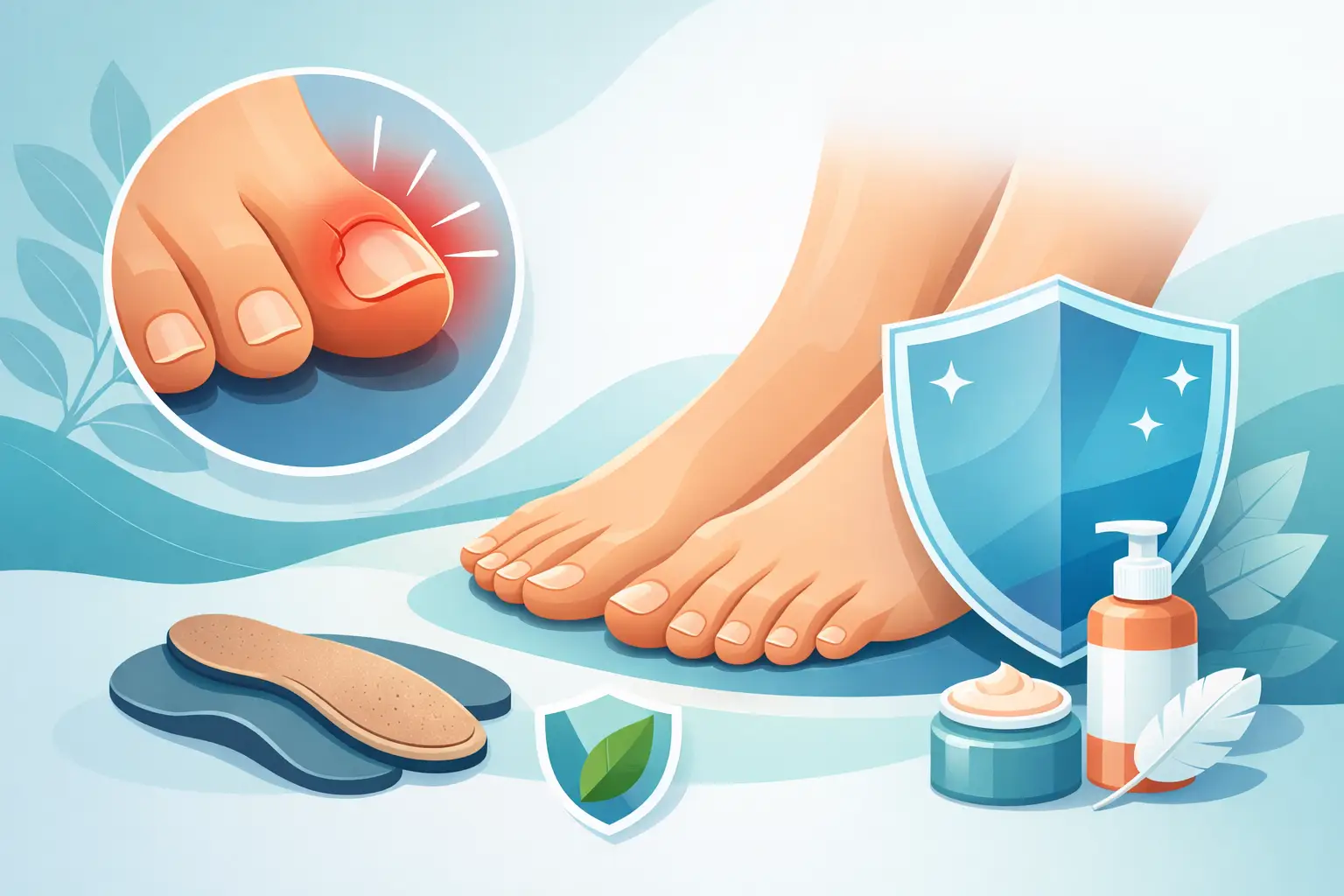
A toenail can hurt enough to make every step feel like a problem. Whether the pain began after trimming your nails, wearing tight shoes, stubbing a toe, or noticing redness along the nail edge, knowing how to stop toenail pain starts with identifying what is putting pressure on the sensitive skin beneath or beside the nail.
Some nail pain improves with simple, careful care. Other cases, especially an ingrown nail, infection, circulation concern, or injury under the nail, need prompt treatment from a podiatrist. The goal is not to simply cover up the discomfort. It is to relieve pressure, protect the toe, and address the cause before a small problem becomes harder to treat.
Why does a toenail hurt?
Toenail pain is a symptom, not one single condition. The location of the pain and the appearance of the toe can offer useful clues.
Pain along one side of the nail often points to an ingrown toenail. This happens when the nail edge presses into or grows into the surrounding skin. The area may become tender, swollen, red, or irritated, particularly when a shoe rubs against it. Ingrown nails are common on the big toe, but they can affect any toe.
Pain directly beneath the nail may happen after trauma, such as dropping something on the foot, hitting the toe, or repeatedly pushing the toe into the front of a shoe during walking or sports. Blood can collect under the nail, creating pressure and a dark red, purple, or black area. A thickened fungal nail can also press on the nail bed and hurt in shoes.
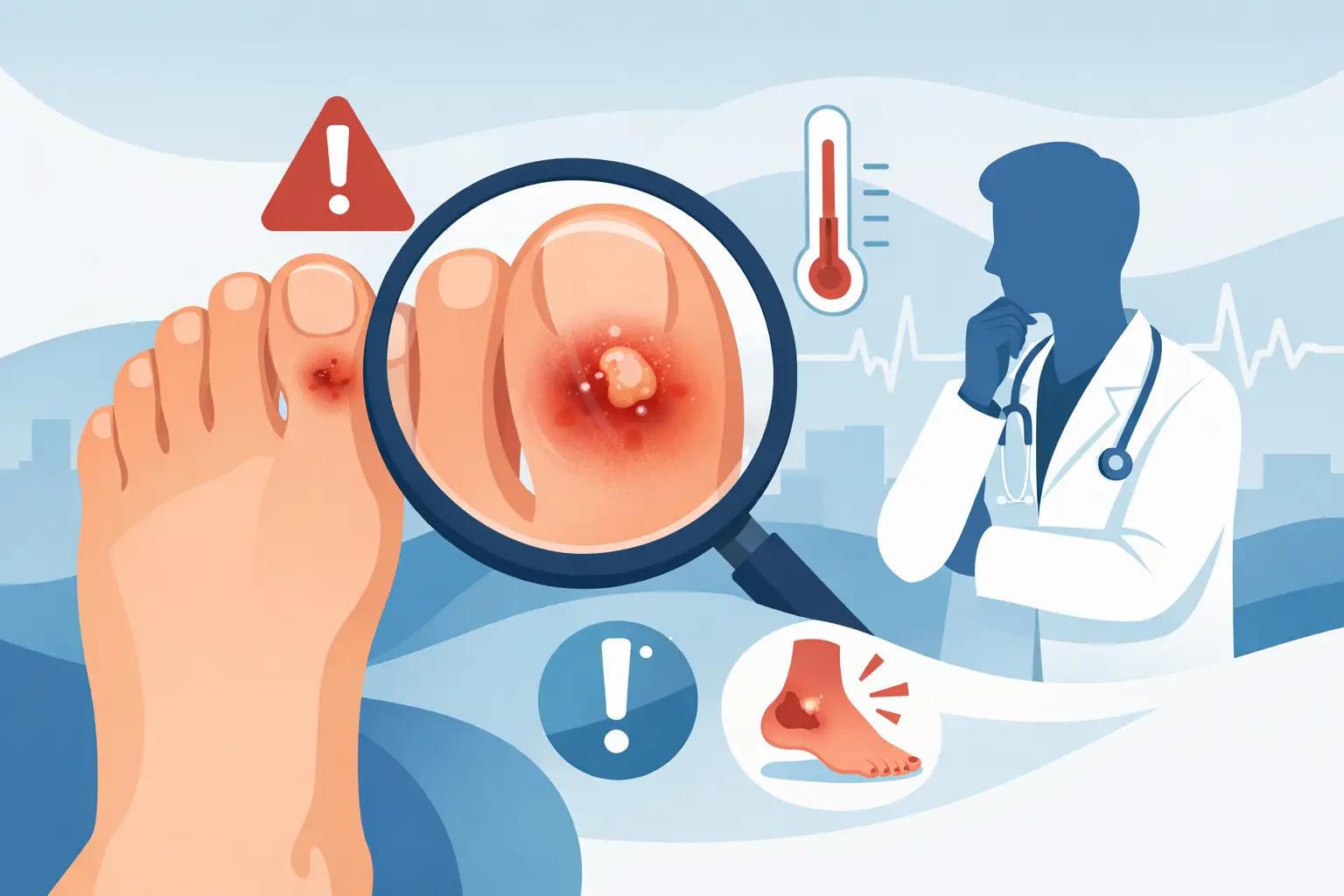
A nail that is painful with warmth, drainage, spreading redness, or throbbing may be infected. Infections can develop after an ingrown nail, a cut near the nail, aggressive trimming, or attempts to remove a nail corner at home. People with diabetes, neuropathy, poor circulation, or a weakened immune system should take these changes particularly seriously.
How to stop toenail pain safely at home
For mild pain without drainage, spreading redness, significant swelling, or an open wound, a few conservative measures may provide relief while you monitor the toe.
Start by reducing pressure. Choose shoes with a wide, deep toe box, or wear open-toed footwear when it is safe and appropriate. Avoid narrow shoes, pointed styles, and socks that compress the toes. If one toenail is sore, even a little extra room can make walking much more comfortable.
Soak the foot in warm water for 15 to 20 minutes once or twice daily for a few days. This can soften the skin around a tender nail and calm minor irritation. Dry the foot thoroughly afterward, especially between the toes. Moist skin that stays trapped inside a shoe can make irritation worse.
If the skin beside the nail is tender, protect it from friction with a clean, dry bandage. Over-the-counter pain medicine may also help when it is safe for you to take it. Follow the package directions and consider your other health conditions and medications before using any pain reliever.
If the nail is thick, rough, or rubbing inside your shoe, do not try to file it down aggressively. Thick nails can crack, split, or separate from the nail bed when they are cut too forcefully. A podiatrist can safely reduce thickened nails and determine whether fungal infection, injury, or another condition is causing the change.
What not to do when a nail is painful
It is tempting to dig under a painful nail corner or cut a deep V-shaped notch into the nail. These home procedures can injure the skin, leave a sharp nail edge behind, and introduce bacteria. They are especially risky if you have diabetes, numbness in your feet, circulation problems, or difficulty seeing or reaching your toes.
Do not tear a nail that has partially lifted after an injury. Keep it clean, protect it from catching on socks or bedding, and have it evaluated if it is very loose, painful, bleeding, or discolored. Pulling it off can damage the nail bed and increase the chance of infection.
Avoid cutting nails too short or rounding deeply into the corners. Toenails generally should be trimmed straight across, with the edges lightly smoothed if needed. If you cannot safely trim your nails because they are thick, curved, painful, or hard to reach, professional nail care is the safer choice.
When an ingrown toenail needs treatment
An ingrown toenail may settle down in its earliest stages when pressure is reduced and the skin is protected. But persistent pain, repeated swelling, or visible nail penetration into the skin usually means the nail edge needs professional attention.
A podiatrist can gently remove the offending nail border and treat the inflamed tissue without asking you to tolerate weeks of pain. For nails that keep growing in, a minor in-office procedure can address the problematic edge more permanently while preserving most of the nail. The right approach depends on the severity of the ingrown nail, whether infection is present, and your health history.
Conservative treatment is often the first step, but recurring ingrown nails should not be ignored. Repeated inflammation can make the skin around the nail more swollen and more vulnerable to infection over time.
Toenail pain after an injury
A bruised toenail can be surprisingly painful because the nail does not have room to expand when pressure builds beneath it. If the nail turns dark after an injury and there is intense throbbing, prompt evaluation can help determine whether blood is trapped under the nail or whether the toe may be fractured.
Use a cold pack wrapped in a thin cloth for short intervals during the first day or two after an injury. Elevating the foot can also reduce swelling. Do not puncture or drill through the nail yourself to release pressure. This should only be done in a clean medical setting when appropriate.
Seek care sooner if the toe looks crooked, you cannot bear weight comfortably, there is a deep cut, the nail is split down to the base, or the pain continues to worsen. A toe fracture and a nail-bed injury can occur together.
Could fungus be causing the pain?
Toenail fungus does not always hurt, but it can become uncomfortable when the nail thickens, curls, crumbles, or presses against footwear. It may look yellow, white, brown, or chalky, and the nail can become difficult to trim.
Fungal nails can resemble nails damaged by trauma, psoriasis, or other conditions, so a careful diagnosis matters. Treatment may include professional nail reduction, topical medication, oral medication when appropriate, or laser therapy. Results depend on how many nails are involved, how thick the nails are, and whether the infection has reached the nail growth area. Consistent care is often needed because toenails grow slowly.
When to call a podiatrist right away
Do not wait for a routine appointment if you have severe pain, pus or drainage, fever, red streaking from the toe, rapidly spreading redness, or a toe that becomes increasingly swollen or warm. These can be signs of an infection that needs timely medical care.
People with diabetes should contact a foot specialist promptly for any painful nail, redness, blister, cut, drainage, or change in skin color. Neuropathy can reduce the ability to feel an injury, while circulation and healing problems can allow a minor nail issue to progress faster than expected.
You should also seek evaluation for a dark spot beneath a nail that does not follow a clear injury, does not grow out with the nail, or appears as a new dark streak. Not every dark nail change is a bruise, and an examination is the appropriate way to find out what is causing it.
Preventing toenail pain from returning
The best prevention is usually simple: wear properly fitted shoes, trim nails straight across, keep feet clean and dry, and avoid sharing nail tools. Replace worn athletic shoes before the toe box becomes cramped, especially if you walk, run, or play sports regularly.
If your nails repeatedly curve inward, become thick, or hurt in shoes, it is worth getting ahead of the pattern. At Chambers Foot & Ankle, care is tailored to the reason your nail is painful and your overall foot health, with a focus on practical relief and protecting your mobility.
Your feet carry you through work, errands, exercise, and time with the people you love. A painful toenail may seem minor, but getting the right care early can make each step easier and help prevent a more serious problem.