Toenail fungus can be stubborn in a way that surprises people. The nail may slowly turn yellow, thicken, lift, or crumble, and even after months of over-the-counter products, it often looks the same or gets worse. That is why many patients ask, is laser treatment effective for toenail fungus, and is it really worth trying when other options have fallen short?
The short answer is that laser treatment can be effective for some patients, but it is not a magic fix. Results depend on how severe the infection is, how many nails are involved, your overall health, and whether the infected nail is given enough time to grow out normally after treatment. For many people, laser therapy is appealing because it is noninvasive, quick, and does not involve taking oral antifungal medication.
Is laser treatment effective for toenail fungus in real life?
In real-world practice, laser treatment may help reduce fungal organisms in and around the nail and improve the appearance of the nail over time. The biggest point to understand is timing. Even if the fungus is successfully treated, the damaged nail does not instantly look normal. Toenails grow slowly, so healthy improvement may take several months and sometimes longer.
That delay can make people think the treatment did not work, when in fact the nail simply has not had enough time to replace the older damaged portion. On the other hand, some cases do not fully respond, especially when the infection is advanced, the nail is very thick, or there are repeated sources of reinfection such as sweaty shoes, shared showers, or untreated athlete’s foot.
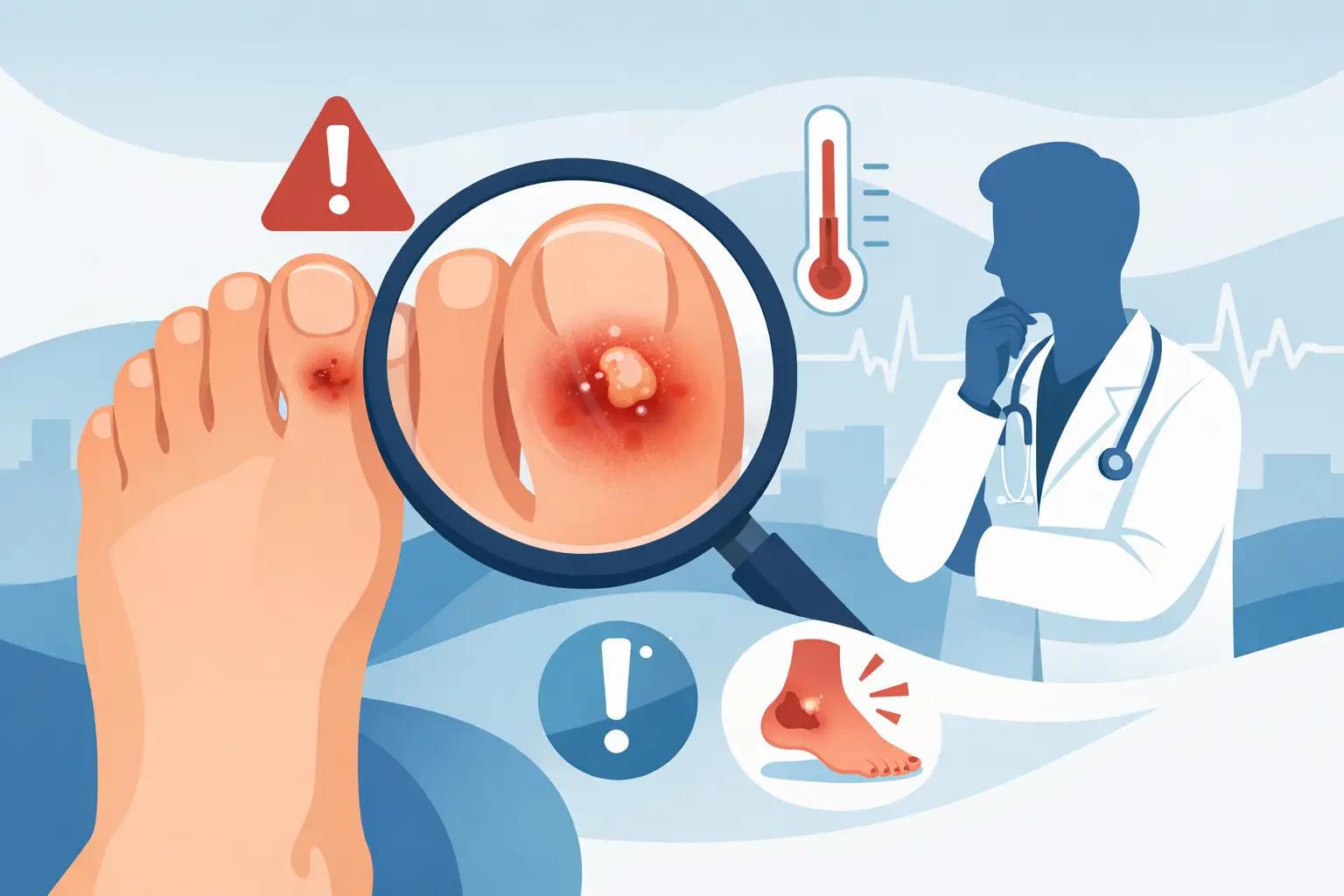
This is why a good evaluation matters. A nail that looks fungal is not always fungal. Trauma, psoriasis, and other nail disorders can mimic the same thickened or discolored appearance. Before deciding on treatment, it helps to confirm what is really causing the change.
How laser treatment works
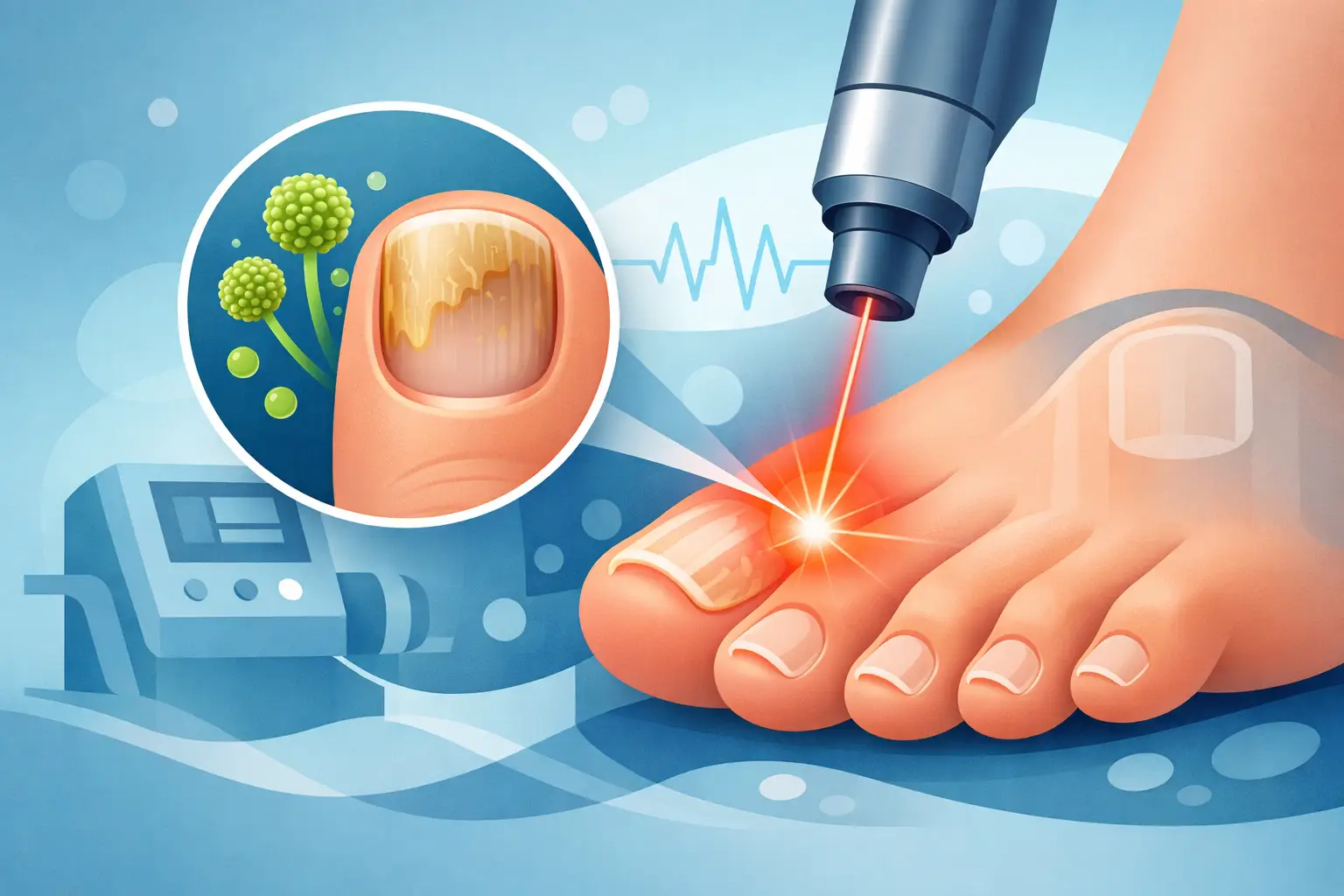
Laser treatment for toenail fungus uses focused light energy directed at the affected nail and surrounding tissue. The goal is to create conditions that damage or suppress the fungus while leaving nearby tissue largely unharmed. Patients usually tolerate the procedure well. Some feel warmth or brief discomfort, but it is generally much easier than people expect.
Because the treatment is localized, it can be an attractive option for patients who want to avoid systemic medication. That includes people with certain liver concerns, those taking multiple prescriptions, or those who simply prefer a conservative approach first.
Still, laser therapy works best when patients understand its role. The laser is designed to target the infection, but long-term improvement depends on what happens after the appointment too. Nail trimming, shoe hygiene, managing moisture, and treating any skin fungus on the feet all affect the outcome.
When laser treatment tends to make the most sense
Laser therapy is often a reasonable option for patients with mild to moderate fungal nail changes, especially if they want a treatment with little downtime. It may also be a good fit for people who have not done well with topical treatments alone or who are not ideal candidates for oral antifungal medication.
It can also be useful as part of a broader treatment plan rather than as a stand-alone solution. In some cases, thinning a very thick nail, improving home care, or combining therapies may give a better chance of success than relying on one method alone.
For patients with diabetes, circulation concerns, or other medical conditions affecting the feet, supervision is especially important. A thick fungal nail can create pressure, increase the risk of skin breakdown, and make routine foot care harder. In those cases, treating the nail is not just cosmetic. It may also be part of protecting comfort, mobility, and skin health.
What laser treatment does not do
This is where expectations matter. Laser treatment does not instantly restore a damaged nail to normal. It does not guarantee that fungus will never come back. It also does not work equally well in every case.
If the nail matrix, the area where the nail grows, has been significantly affected, the nail may continue to grow in with some deformity even after the infection improves. If shoes remain damp or old footwear keeps carrying fungal spores, reinfection can happen. If the diagnosis is wrong from the start, no fungal treatment will solve the problem.
A trustworthy treatment plan should leave room for those realities. The goal is not to overpromise. The goal is to improve the odds of clearing the infection and helping healthier nail grow in.
How laser compares with other toenail fungus treatments
Topical antifungal medications are easy to start, but they often struggle to penetrate a thick nail deeply enough. They can still play a role, especially in early or mild cases, but results are often modest and require consistency for many months.
Oral antifungal medication is often more effective than topical treatment because it works from inside the body as the nail grows. But it is not right for everyone. Some patients need lab monitoring, have medication interactions, or would rather avoid the potential side effects.
Laser treatment sits somewhere in the middle. It offers a more advanced option without the systemic exposure of an oral drug. For the right patient, that balance is appealing. The trade-off is that response can vary, and more than one session may be recommended depending on the severity of the infection and the technology being used.
What to expect during and after treatment
A laser treatment visit is typically straightforward. The nail is examined, often trimmed or prepared if needed, and the laser is passed over the affected area. Most patients are able to return to normal activity right away.
Afterward, the bigger work is patience and prevention. Healthy nail growth takes time. You may start seeing a clearer section at the base of the nail as it grows out, while the older damaged area gradually moves forward. That process can take several months because toenails grow much more slowly than fingernails.
Patients usually get the best results when they also keep feet dry, change socks regularly, use breathable footwear, disinfect or replace older shoes when appropriate, and address athlete’s foot if it is present. These details may seem small, but they are often the difference between short-term improvement and a frustrating recurrence.
Is laser treatment effective for toenail fungus if the infection is severe?
Sometimes, but severe cases are more complicated. Nails that are extremely thick, distorted, painful, or separated from the nail bed can be harder to treat with any method. In these situations, the best approach may involve combining laser therapy with debridement, topical care, or another medical treatment plan tailored to the patient.
This is also why a one-size-fits-all answer is not very helpful. A relatively new fungal infection in one or two nails is different from years of thickened nails in someone with diabetes, circulation problems, or recurrent athlete’s foot. Both situations deserve thoughtful care, but they may not respond the same way.
The value of a podiatric evaluation
Toenail fungus is easy to dismiss as a cosmetic annoyance until it starts catching on socks, causing pressure in shoes, or making you avoid sandals altogether. For some patients, it affects comfort and confidence. For others, especially those with chronic health conditions, it can become part of a larger foot care issue.
A podiatric evaluation helps answer the questions that matter most. Is it truly fungus? How advanced is it? Is laser a reasonable choice, or would another treatment make more sense? Are there risk factors that need attention so the problem does not keep coming back?
At Chambers Foot & Ankle, that kind of evaluation is part of a personalized approach to care. The goal is not simply to recommend the newest treatment. It is to choose the most appropriate one for the patient in front of you, starting conservatively when possible and using advanced options when they can make a real difference.
If you have been hiding a thick or discolored toenail for months or even years, it may be time to stop guessing. The right treatment is not always the most aggressive one. It is the one that fits your diagnosis, your health, and your goal of getting back to normal with more comfort and confidence.