A small cut from a sandal, a blister after a long walk, or a crack in dry heel skin may not seem urgent at first. But when should foot wounds worry? The answer is sooner than many people think, especially if the wound is painful, slow to improve, draining, or occurring in someone with diabetes, poor circulation, or reduced sensation in the feet.
Feet face constant pressure, friction, and exposure to bacteria. A wound that might heal quickly on the arm can become more complicated when it is repeatedly rubbed by a shoe or stressed with every step. Knowing what to watch for can help you get the right care before a minor issue becomes a more serious one.
When should foot wounds worry?
A foot wound deserves prompt attention when it is getting worse instead of better, shows signs of infection, or does not begin to improve within a few days. You should also take a wound seriously if you cannot feel it well, cannot see its full extent, or have a health condition that affects circulation, immunity, or healing.
Not every scrape requires an urgent appointment. A small, clean cut that stops bleeding, has no increasing pain or redness, and begins closing over the next few days can often be managed with careful home care. Keep it clean, protect it with an appropriate dressing, and avoid shoes that rub the area.
The trade-off is that waiting can be risky if the wound is deeper than it appears or your body has trouble healing. On the foot, pressure can reopen skin and allow a small break to expand. If you are unsure whether a wound is healing normally, it is reasonable to have a podiatrist look at it.
Signs a foot wound may be infected
Infection is one of the clearest reasons to seek medical care quickly. Some redness and tenderness can happen immediately after an injury, but those symptoms should gradually settle, not spread or intensify.
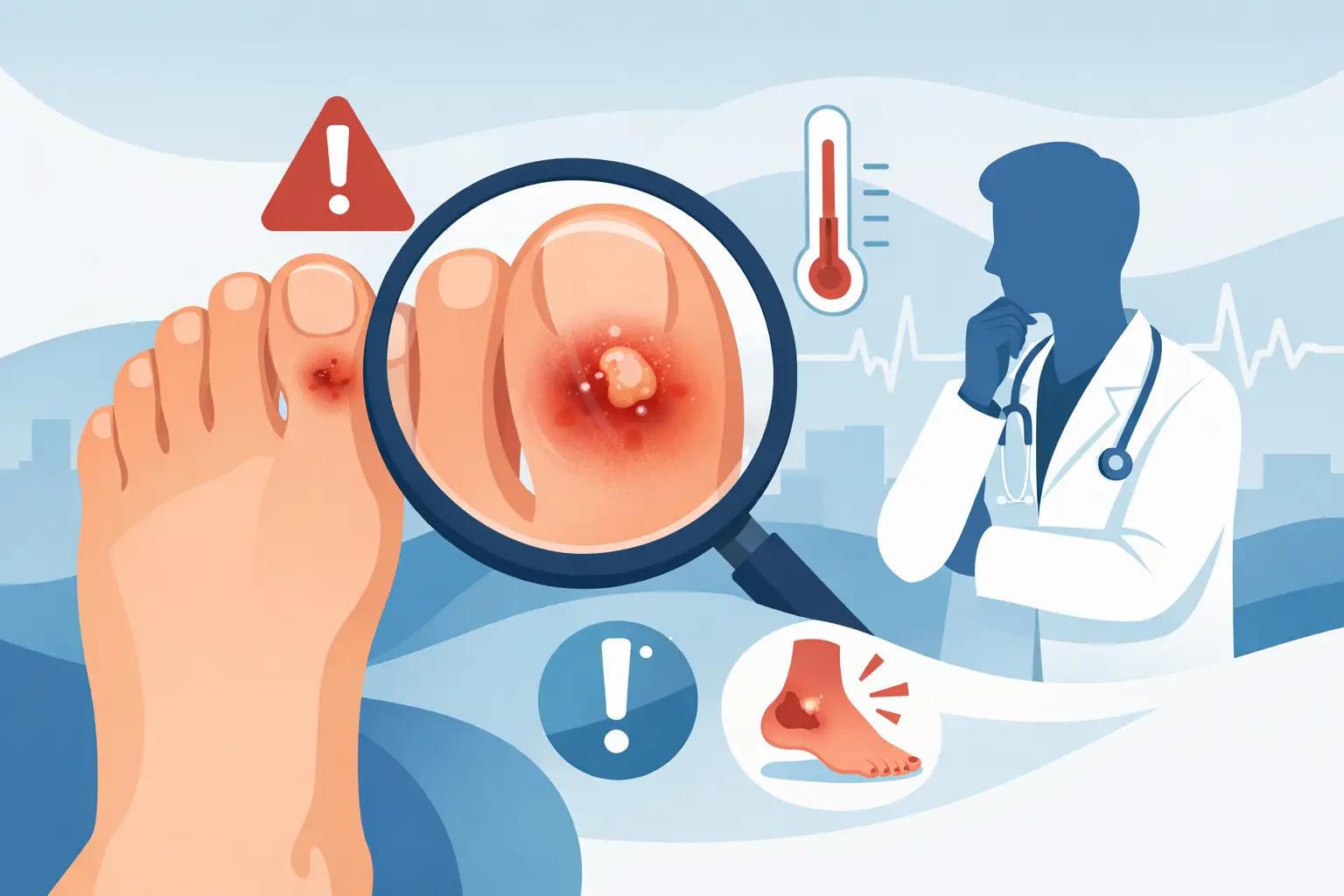
Call a foot and ankle specialist if you notice increasing redness, warmth, swelling, throbbing pain, pus, cloudy drainage, a foul odor, or skin that feels unusually tender around the wound. Red streaks moving away from the area, fever, chills, nausea, or feeling generally unwell can signal a more significant infection and require urgent medical evaluation.
A wound can be infected even if it is not very painful. This is particularly true for people with neuropathy, a condition that reduces feeling in the feet. If you have numbness, do not use pain level alone as your guide. Changes in color, drainage, odor, and swelling may be more meaningful warning signs.
Watch for tissue color changes
Healthy healing tissue is usually pink or red and gradually becomes less tender. Dark purple, gray, black, or pale tissue needs professional attention. These color changes can indicate pressure damage, dead tissue, or a circulation problem.
A wound that develops a hard callus around its edges can also be deceptive. Callus may be the body’s response to pressure, but it can trap damage underneath and keep an ulcer from closing. This is common beneath the ball of the foot or on the heel.
Wounds that are slow to heal need evaluation
Healing time depends on the depth of the wound, its location, your overall health, and how well you can keep pressure off it. Still, a wound should show some sign of progress. It may become smaller, less red, less tender, or produce less drainage over time.
If a wound remains open after one to two weeks, repeatedly breaks open, or has not clearly improved after several days of careful protection, schedule an evaluation. A podiatrist can check for infection, retained debris, pressure from footwear, circulation concerns, and deeper tissue involvement.
A wound on the sole of the foot deserves special caution because every step can delay recovery. Trying to push through work, exercise, or errands may keep reopening the area. Treatment may include protective padding, specialized dressings, pressure relief, or temporary changes in activity to give the skin a real chance to heal.
Diabetes changes the threshold for concern
For people with diabetes, even a seemingly minor foot wound should be assessed promptly. Diabetes can affect circulation, immune response, and nerve sensation. That means a cut or blister may go unnoticed, become infected more easily, or take longer to close.
Check your feet every day, including the heels, soles, and between the toes. A mirror can help, or a family member can assist if it is difficult to see the bottom of your feet. Look for open areas, blisters, cracks, drainage on socks, swelling, or new discoloration.
Do not try to trim deep calluses, drain a blister, or remove an ingrown nail corner at home if you have diabetes or neuropathy. Small self-treatment injuries can create an entry point for infection. Professional diabetic foot care is designed to address these issues safely while protecting fragile skin.
Certain wounds need same-day or emergency care
Some situations should not wait for a routine appointment. Seek urgent medical care for heavy bleeding that does not stop with steady pressure, a deep puncture wound, a wound caused by an animal bite, or an injury with exposed tendon, bone, or deeper tissue.
You should also seek immediate care if the foot becomes suddenly cold, pale, blue, or severely swollen; if you cannot move the toes normally; or if you have spreading redness along with fever or chills. These symptoms can point to problems that need rapid treatment.
Puncture wounds deserve particular attention. A nail, thorn, or other object can introduce bacteria deep into the foot, and the opening may close over while infection remains inside. Do not assume the wound is harmless just because it looks small from the outside.
What to do while you arrange care
For a minor wound, gently rinse the area with clean running water and mild soap around the wound. Pat it dry and cover it with a clean dressing. Avoid repeatedly using harsh products such as hydrogen peroxide or alcohol, which can irritate healthy healing tissue.
Keep weight and friction off the area as much as possible. Choose clean, roomy footwear that does not rub, or avoid wearing a shoe over the wound if doing so causes pressure. Do not walk barefoot, particularly outdoors or on rough surfaces.
Avoid cutting away dead skin, digging for debris, or applying strong medicated products unless a clinician has instructed you to do so. If there is an object embedded in the foot, leave it in place and seek care. Removing it yourself can increase bleeding or cause further tissue damage.
A podiatrist can identify what is keeping a wound open
Foot wound care is not only about covering the skin. A thorough evaluation looks at the cause of the wound and the conditions that may be preventing healing. That can include shoe pressure, a structural foot issue, swelling, neuropathy, circulation, infection, or uncontrolled blood sugar.
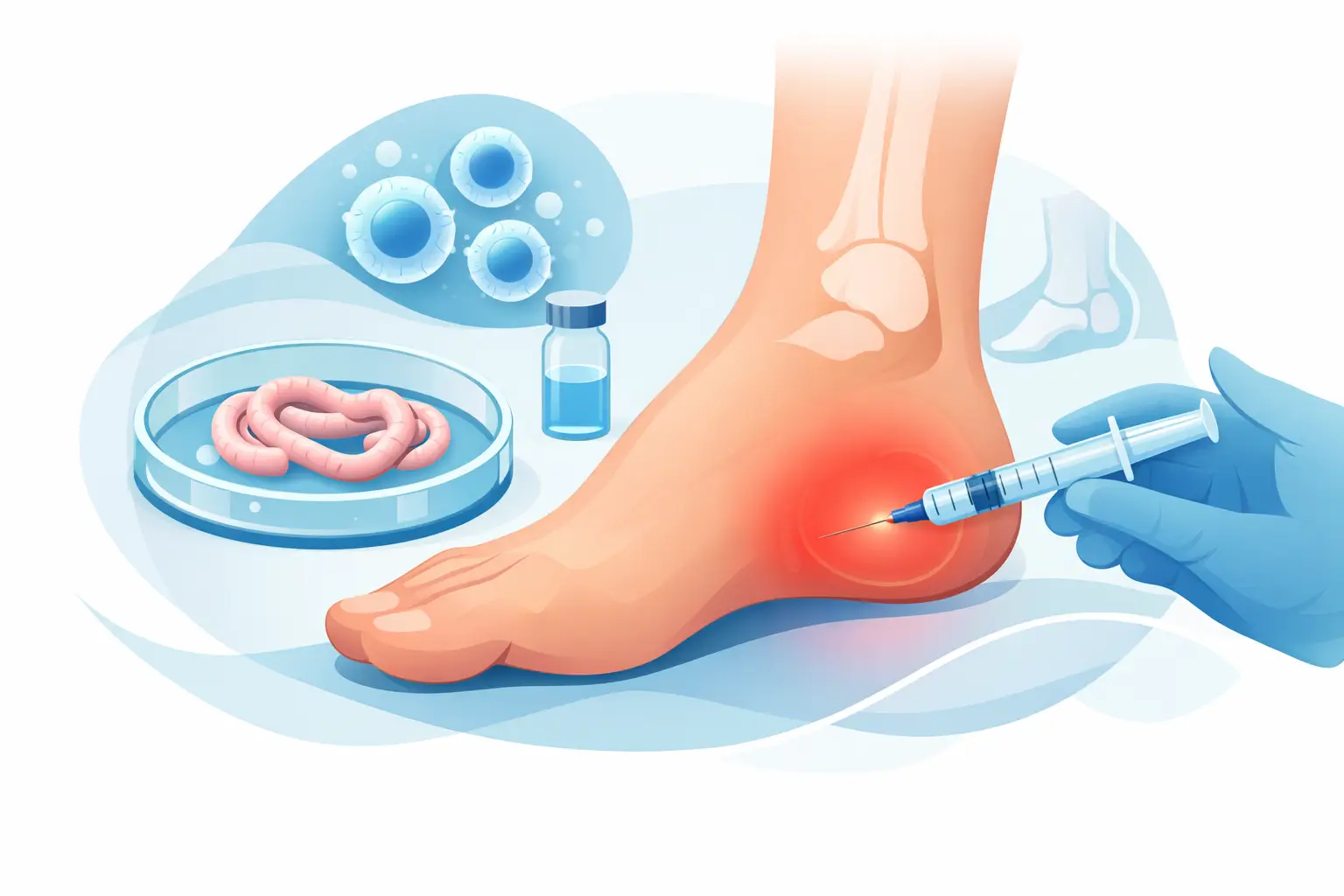
At Chambers Foot & Ankle, treatment is personalized around the wound and the person living with it. Conservative care may include advanced dressings, offloading strategies, infection management, nail or callus care, and guidance on protecting the foot at home. When appropriate, modern therapies may also be considered to support the healing process and help patients return to comfortable movement.
A foot wound is easier to treat when it is addressed early. If something looks different, feels worse, or simply is not healing as expected, trust that concern and have it checked. Prompt, compassionate care can protect not just the skin on your foot, but your ability to stay active and enjoy daily life.