A small sore on the foot can become a serious problem faster than many people expect. A wound care podiatrist focuses on wounds affecting the feet, toes, ankles, and lower legs, helping patients heal while protecting the mobility they depend on every day. For people with diabetes, neuropathy, circulation concerns, or a history of foot ulcers, timely specialty care can make a meaningful difference.
A wound does not have to look dramatic to deserve attention. A blister that will not close, a crack in the heel, drainage around a toe, or redness near a callus may all need professional evaluation. The goal is not simply to cover the wound. It is to understand why it developed, remove barriers to healing, and create a plan that fits your health, activity level, and daily routine.
What Does a Wound Care Podiatrist Treat?
Podiatrists are physicians and surgeons trained specifically in conditions of the foot and ankle. When a wound occurs in this area, that focused knowledge matters. The foot carries body weight, fits into shoes, and is exposed to pressure with nearly every step. Even a well-treated wound may struggle to heal if pressure, friction, swelling, poor circulation, or infection is still working against it.
A wound care podiatrist commonly treats diabetic foot ulcers, pressure sores, non-healing surgical wounds, traumatic cuts, burns, infected ingrown nails, and wounds caused by corns or calluses. Care may also be appropriate for wounds related to venous disease, arterial disease, foot deformities, or reduced sensation from neuropathy.
Some wounds begin with a simple problem. A tight shoe rubs the side of a toe. A person with reduced sensation steps on something sharp and does not feel it. A thick callus builds up beneath the ball of the foot, then breaks down underneath. Without early care, repeated pressure and delayed healing can allow the problem to deepen.
Why Foot Wounds Need Specialized Attention
Foot wounds are different from a scrape on the arm or knee. Walking can repeatedly reopen delicate tissue, while shoes can trap moisture and create friction. In people with diabetes or circulation problems, the body may also have a harder time delivering oxygen and nutrients needed for healing.
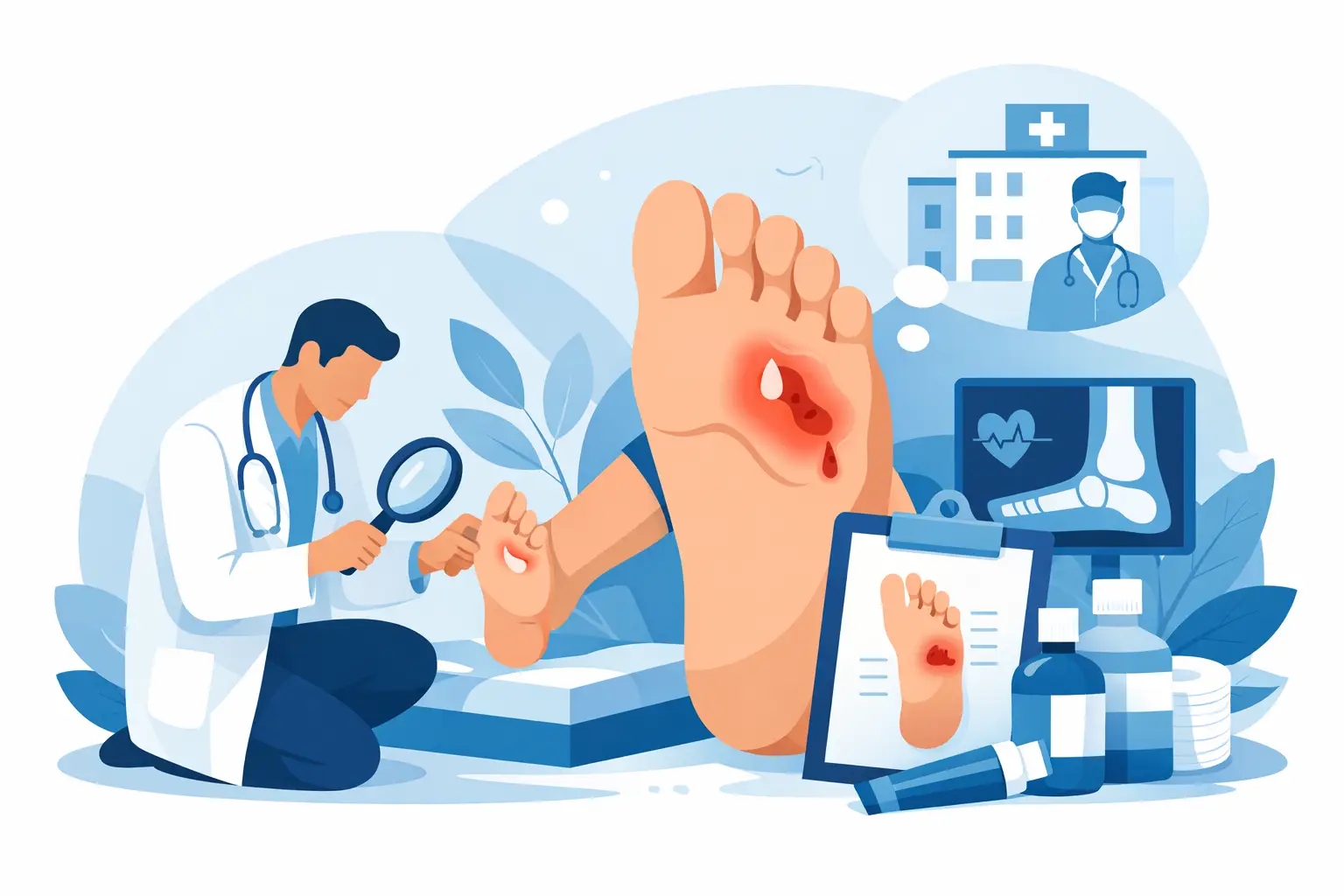
A specialist looks beyond the visible opening in the skin. During an evaluation, the podiatrist may assess the depth and location of the wound, signs of infection, blood flow, swelling, nerve sensation, foot structure, footwear, and areas receiving too much pressure. This broader view helps identify the factors that must change for healing to move forward.
For example, cleaning and dressing a wound is essential, but it may not be enough when a bunion, hammertoe, prominent bone, or poorly fitting shoe continues to place pressure on the same spot. In those situations, offloading pressure can be just as important as the dressing itself.
When to Schedule an Appointment
It is wise to contact a podiatrist promptly if you notice a wound that is not improving within a few days, especially if you have diabetes, neuropathy, poor circulation, kidney disease, or a weakened immune system. Do not wait for pain to tell you something is wrong. Neuropathy can reduce or eliminate pain even when a wound is worsening.
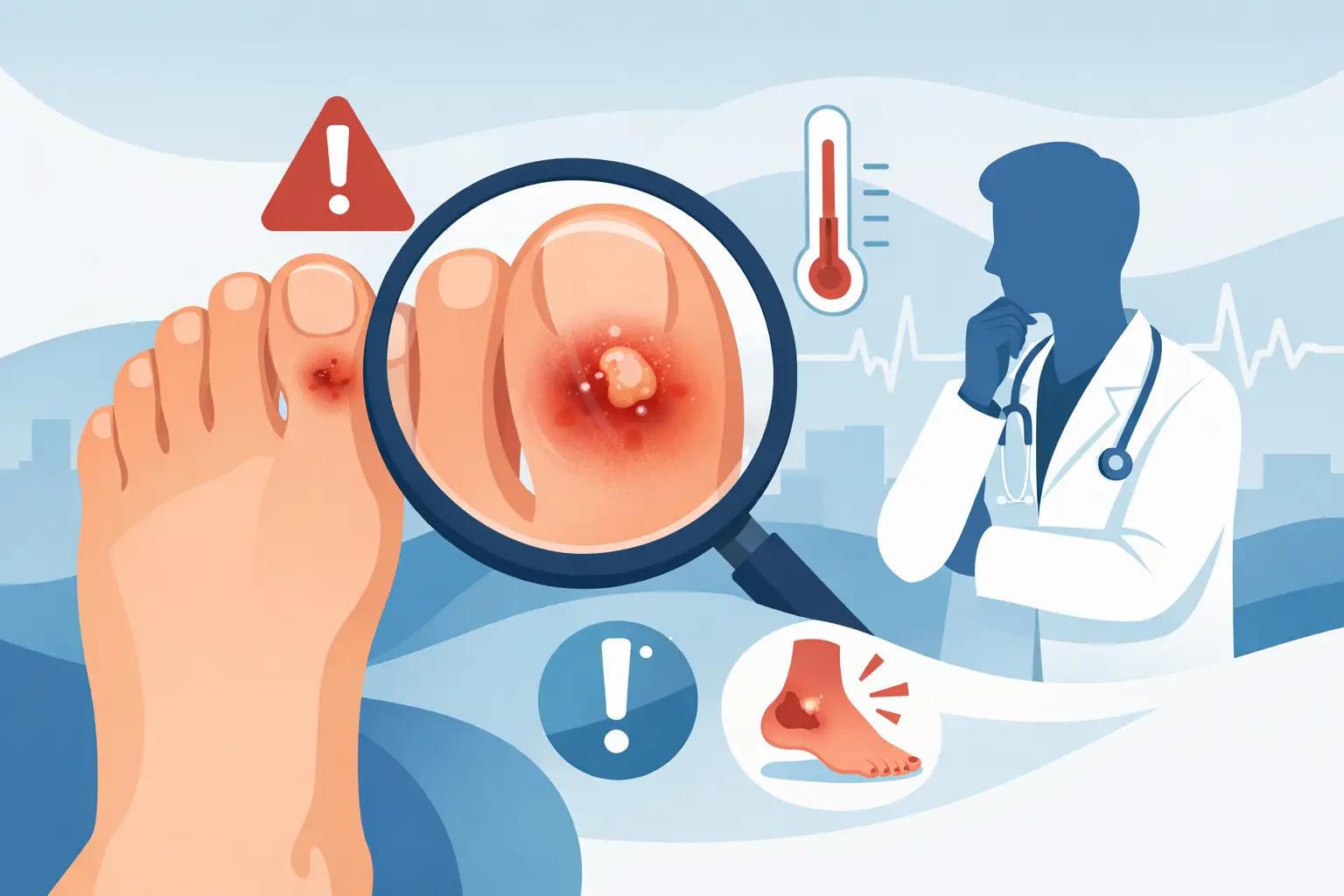
You should also seek care for redness that spreads, warmth, swelling, drainage, a foul odor, skin discoloration, increasing tenderness, or a wound that appears deeper than the surface. Dark tissue, pus, fever, chills, or red streaking can signal an urgent infection and should be addressed immediately.
A wound on the bottom of the foot deserves particular attention because it is difficult to keep weight off that area. So does a wound near a toenail, between the toes, or on the side of the foot where shoe friction may continue unnoticed.
What Treatment May Include
Treatment is personalized because the right approach depends on the wound, your circulation, medical history, and ability to limit pressure on the affected area. At Chambers Foot & Ankle, care begins with a careful evaluation and a conservative-treatment-first approach whenever appropriate.
Your treatment plan may include professional wound cleaning, removal of unhealthy tissue, specialized dressings, infection management, and regular monitoring. Removing dead or damaged tissue, called debridement, can help create a healthier wound environment when it is clinically appropriate. Dressings may be selected to manage moisture, protect the wound, and support the body’s healing process.
Pressure relief is often a central part of care. Depending on the wound location, this may involve a surgical shoe, walking boot, custom padding, inserts, or changes to footwear and activity. This can be inconvenient, particularly for active patients, but continuing to walk normally on an ulcer can delay healing and increase the risk of complications. The best option balances protection with safety and realistic daily needs.
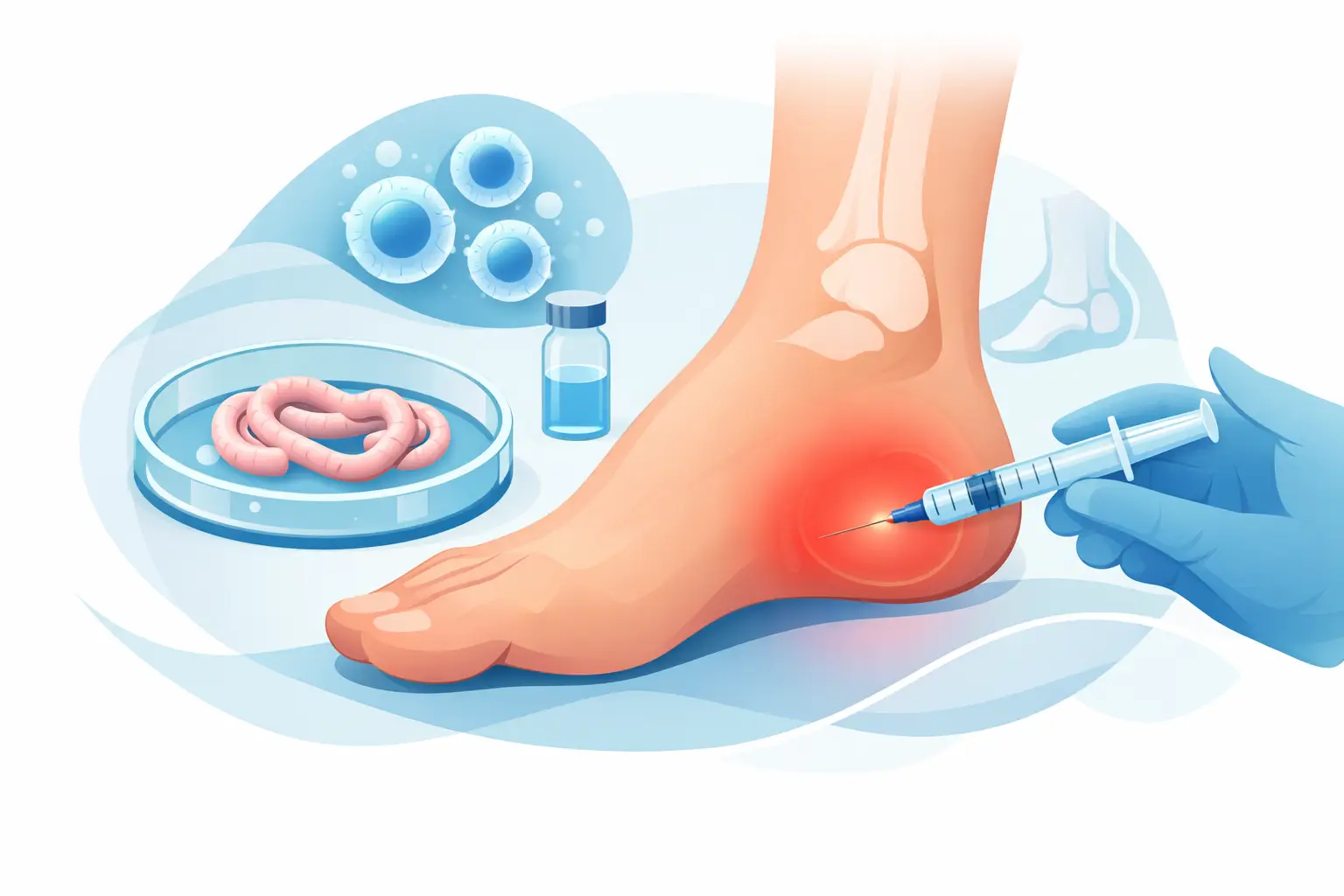
If circulation appears limited, additional vascular evaluation may be recommended. If infection is suspected, treatment may involve medication, wound cultures, imaging, or more frequent follow-up. Advanced therapies may also be considered for selected wounds that are slow to heal, but they are not a substitute for controlling pressure, infection, blood sugar, and circulation concerns.
The Role of Diabetes and Neuropathy
Diabetes is one of the most common reasons patients need specialized foot wound care. Elevated blood sugar can affect healing, nerve function, and the body’s ability to fight infection. At the same time, diabetic neuropathy can make it difficult to feel a blister, cut, or hot spot before it becomes more serious.
That is why daily foot checks are so valuable. Look at the tops, sides, soles, heels, and spaces between the toes. If bending or vision makes this difficult, use a mirror or ask a family member for help. Watch for changes in skin color, swelling, cracks, blisters, drainage, new calluses, or areas that feel warmer than the surrounding skin.
Good wound care also includes the larger picture. Following your diabetes care plan, wearing properly fitted shoes, keeping follow-up visits, and avoiding barefoot walking all reduce preventable risks. A podiatrist can help identify high-pressure areas before they turn into wounds and recommend protective strategies based on your feet.
What You Can Do Between Visits
Home care should always follow the instructions provided by your treating clinician. Some wounds need to stay dry, while others need specific dressings or cleansing methods. Using peroxide, alcohol, or harsh products without guidance can damage healthy tissue and slow healing.
Keep the dressing clean and change it exactly as directed. Avoid soaking the foot unless you have been told it is safe. Wear the recommended footwear or offloading device consistently, even when the wound seems small or starts to feel better. Healing tissue is fragile, and removing pressure too soon can cause setbacks.
It also helps to pay attention to changes rather than relying on memory. Note new drainage, odor, redness, swelling, or pain. If you have diabetes, monitor blood sugar as directed by your medical team. Bring your usual shoes to appointments when possible, since footwear often provides useful clues about where pressure and friction are occurring.
Healing Is More Than Closing the Skin
A wound may appear closed but still be vulnerable if the underlying cause has not been addressed. This is especially true for ulcers that develop beneath calluses or over bony areas. Follow-up care can help protect the newly healed skin, reduce recurrent pressure, and address issues such as nail problems, deformities, swelling, or shoe fit.
For some patients, the next step may be preventive foot care and routine callus management. For others, custom orthotics, diabetic shoes, or ongoing monitoring may provide the best protection. The right plan depends on your risk level, lifestyle, and the reason the wound developed in the first place.
If you have noticed a sore, blister, or area of broken skin on your foot, do not assume it will resolve on its own. Early, compassionate care can help protect your feet, preserve your independence, and keep you moving toward the activities that matter most.