That first sharp step out of bed can stop you in your tracks. If you have been wondering, “why does my heel hurt,” the answer is not always simple. Heel pain can come from overuse, strained tissue, inflammation, nerve irritation, arthritis, or even a stress injury. The good news is that most heel pain can improve with the right diagnosis and a treatment plan that matches the real cause.
Heel pain is common, but it is not all the same. Some people feel a stabbing pain under the heel first thing in the morning. Others notice soreness in the back of the heel after activity, or a deep ache that gets worse over time. Where the pain is located, when it shows up, and what seems to trigger it all matter.
Why does my heel hurt in the morning?
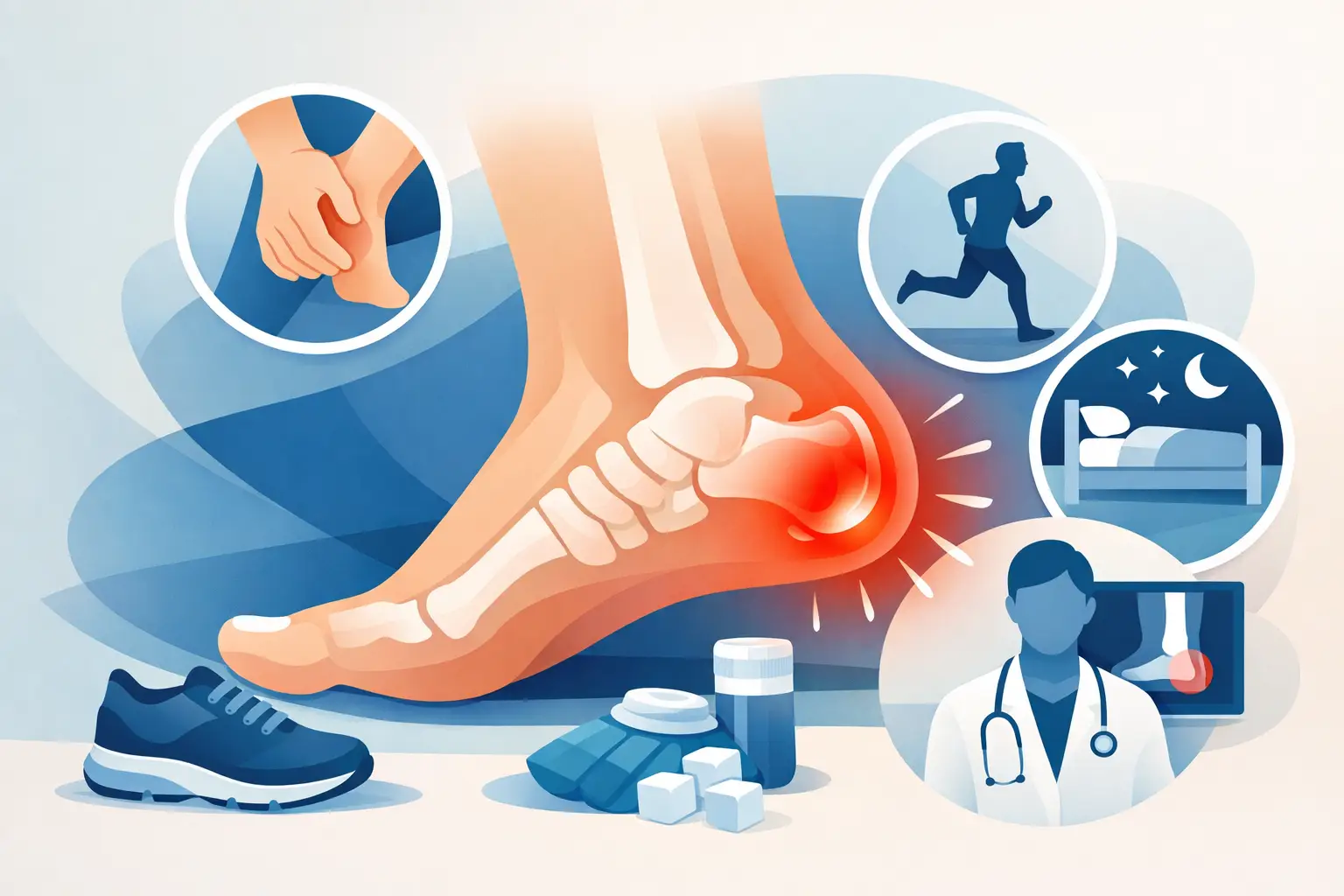
Morning heel pain is one of the most frequent patterns podiatrists see, and plantar fasciitis is often the reason. The plantar fascia is a thick band of tissue that runs along the bottom of the foot and supports the arch. When it becomes irritated, the heel often hurts most with the first few steps after getting out of bed or standing up after rest.
This happens because the tissue tightens while you are off your feet. Once you start walking, it stretches again, which can create that familiar sharp pull at the bottom of the heel. For some patients, the pain eases after a few minutes. For others, it comes back after long periods of standing, walking, or exercise.
Plantar fasciitis is common in runners, people who work on hard floors, adults who spend a lot of time standing, and anyone wearing unsupportive shoes on a regular basis. Tight calf muscles, flat feet, high arches, and weight changes can also add stress to the heel.
Common causes of heel pain
Plantar fasciitis gets a lot of attention, but it is only one possible explanation. If you are asking why does my heel hurt, it helps to know the most common sources of pain and how they tend to feel.
Plantar fasciitis
This usually causes pain under the heel, especially near the inside edge. It often feels sharp with the first steps in the morning or after sitting. As it progresses, the pain may last longer throughout the day.
Achilles tendinitis
When the pain is in the back of the heel, the Achilles tendon may be involved. This tendon connects the calf muscles to the heel bone. Overuse, tight calves, a sudden increase in activity, or poor foot mechanics can all irritate it. You may feel stiffness, swelling, or tenderness above the heel, especially after walking, running, or climbing stairs.
Heel spur
A heel spur is a bony growth that can develop where tissue pulls on the heel bone over time. Some heel spurs do not cause pain at all. Others are seen along with plantar fasciitis. The spur itself is not always the true problem, which is why imaging without a full exam can be misleading.
Bursitis
Bursae are small fluid-filled sacs that cushion areas around joints and tendons. When one becomes inflamed near the heel, it can cause swelling, tenderness, and pain with pressure or movement. This can happen under the heel or behind it.
Stress fracture
A stress fracture is a small crack in the heel bone, often caused by repetitive impact or overtraining. This pain tends to build gradually and may become more constant. Unlike plantar fasciitis, a stress fracture usually hurts even when the area is squeezed and may not improve once you get moving.
Nerve irritation or entrapment
Sometimes heel pain has more of a burning, tingling, or shooting quality. That can point to a nerve issue rather than simple tissue strain. Nerve pain can be local or radiate from another area, including the ankle or lower back.
Arthritis or inflammatory conditions
For some patients, heel pain is related to joint inflammation or a broader condition such as rheumatoid arthritis. If both feet hurt, the pain is persistent, or you also have swelling and stiffness in other joints, a more systemic cause may need to be considered.
Location matters more than people realize
Heel pain is often described as one problem, but the exact location can narrow things down quickly. Pain under the heel often suggests plantar fasciitis, a heel pad problem, or a stress injury. Pain in the back of the heel may point toward Achilles tendinitis, bursitis, or a Haglund’s deformity, which is a bony bump that can irritate nearby tissue.
Pain along the inside or outside of the heel may involve tendons, nerves, or referred pain from nearby structures. That is why a proper exam matters. Two patients can both say their heel hurts and still have very different diagnoses.
When heel pain is more than a simple strain
Some heel pain improves with rest, stretching, shoe changes, and time. Some does not. If the pain has been going on for weeks, keeps returning, or is affecting how you walk, it is worth getting checked.
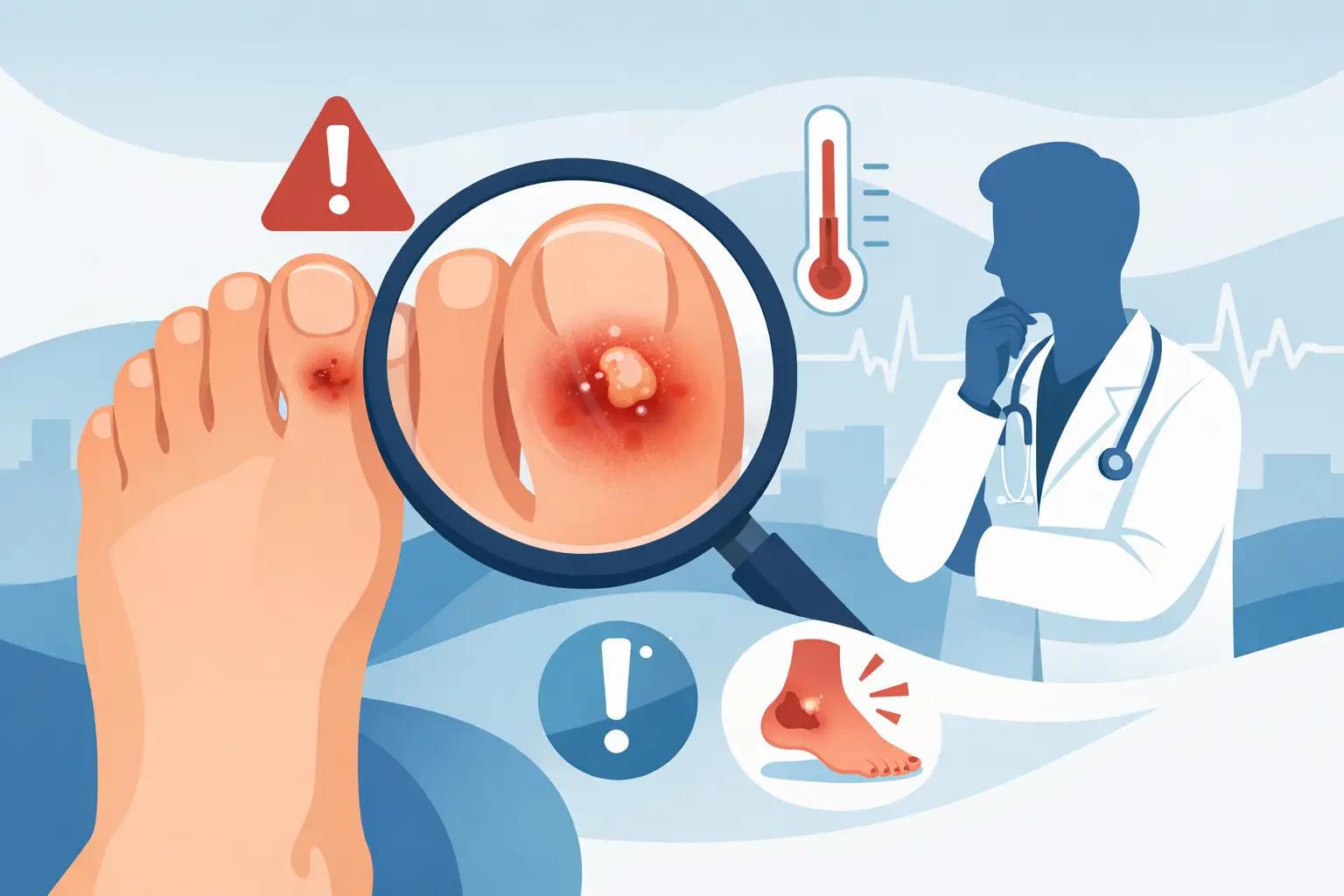
A few symptoms should raise concern sooner. These include visible swelling, bruising, pain after an injury, numbness, burning, inability to bear weight, or a wound that is not healing. People with diabetes, neuropathy, circulation problems, or a history of foot ulcers should be especially careful not to ignore heel pain.
Children and teens can also develop heel pain, often from growth plate irritation rather than plantar fasciitis. Older adults may have more than one issue at the same time, such as thinning heel fat pads, arthritis, tendon problems, and balance changes. Age and medical history shape the diagnosis.
Why treating heel pain early can make recovery easier
One of the biggest mistakes people make is waiting too long because they hope the pain will just go away. In the early stages, heel pain is often easier to calm down with conservative care. When the problem lingers, people start changing the way they walk, which can put extra strain on the ankle, knee, hip, or lower back.
It is also common for small daily habits to keep the problem going. Shoes without support, repetitive standing on hard floors, worn-out athletic shoes, or returning to exercise too quickly can all interfere with healing. Treatment works better when those factors are identified and corrected.
How a podiatrist figures out why your heel hurts
A good heel pain evaluation is not just about naming a condition. It is about understanding why it started and what is preventing it from improving. That usually begins with a conversation about when the pain began, what it feels like, what activities make it worse, and whether there has been any change in exercise, work demands, or footwear.
A foot and ankle exam may include checking the exact area of tenderness, flexibility, strength, gait, arch type, and tendon function. If needed, imaging such as X-rays or other studies can help rule out fractures, bone changes, or less common causes.
This step matters because heel pain treatment is not one-size-fits-all. Stretching may help one patient and aggravate another. Rest may be enough for a mild overuse strain, but not for a nerve problem or stress fracture.
Treatment depends on the cause
For many patients, the best first step is conservative care. That can include supportive shoes, custom or over-the-counter orthotics, activity changes, targeted stretching, physical therapy, anti-inflammatory measures, and protecting the heel while it calms down.
If plantar fasciitis is the issue, treatment often focuses on reducing stress on the fascia and improving foot mechanics. If the Achilles tendon is involved, calf flexibility and tendon loading have to be managed carefully. If there is a stress fracture, rest and immobilization may be necessary. If nerve irritation is the problem, the approach changes again.
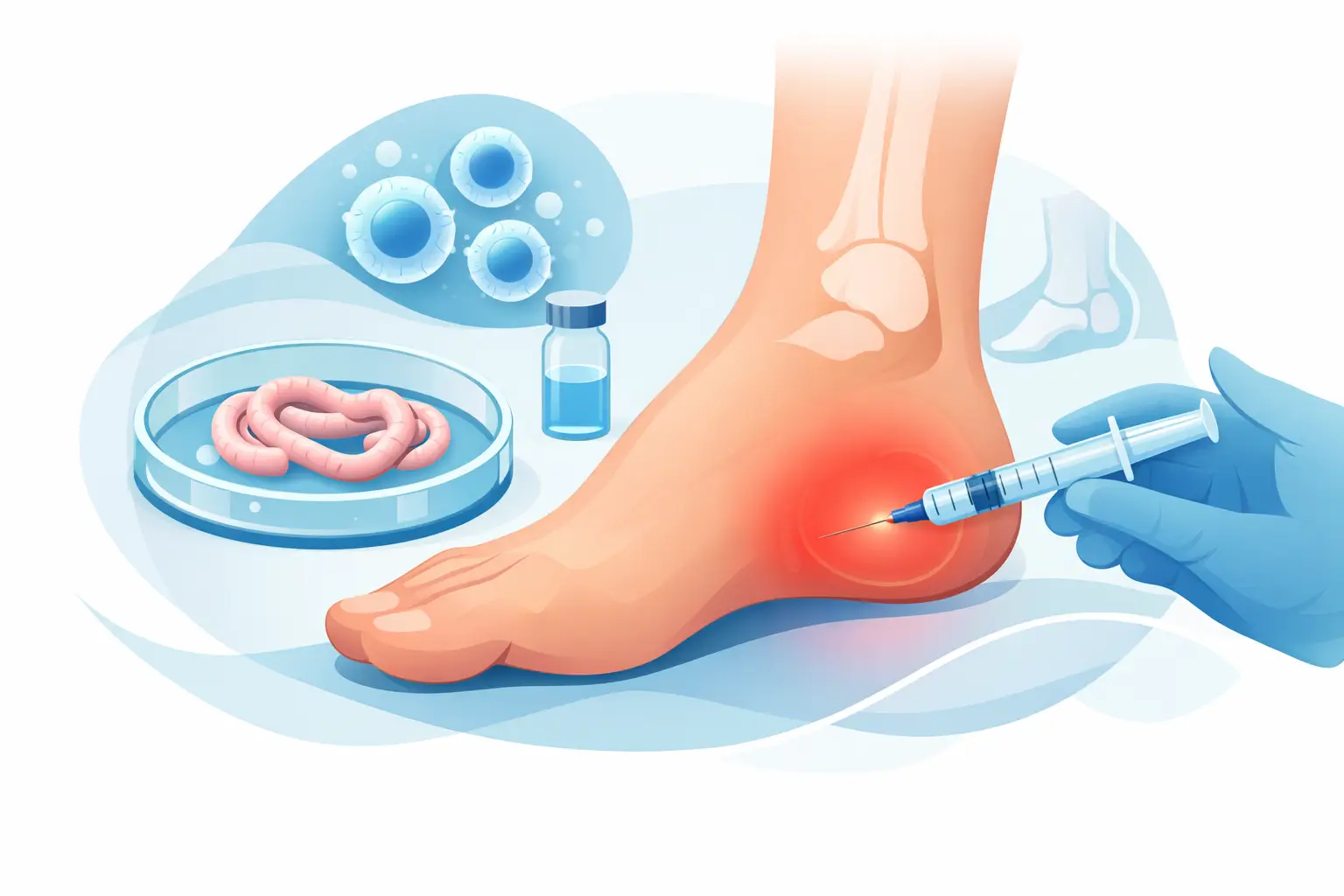
When standard care is not enough, more advanced options may be appropriate depending on the diagnosis and the patient. At Chambers Foot & Ankle, treatment is guided by a conservative-first philosophy, while also offering modern therapies designed to support healing and reduce recovery burden when needed. The goal is not simply to quiet pain for a few days. It is to help patients move better, feel better, and get back to daily life with more confidence.
What you can do now if your heel hurts
If the pain is mild and you are still able to walk, start by paying attention to patterns. Notice whether it is worse in the morning, after exercise, or after long hours on your feet. Switch to supportive shoes, avoid going barefoot on hard floors, and ease back from aggravating activity for a few days.
Gentle stretching can help in some cases, especially when calf tightness is part of the problem, but it should not be painful. Ice may reduce soreness after activity. If symptoms are getting worse instead of better, or if the pain has lasted more than a couple of weeks, it is time for a closer look.
Heel pain can be frustrating because it affects nearly every step you take. But it is also very treatable once the cause is clear. A sharp first step in the morning, a lingering ache after work, or tenderness in the back of the heel is your body’s way of asking for attention. Listening early can make all the difference.