
That first step out of bed can feel like a sharp reminder that heel pain is still in charge. When stretching, supportive shoes, and other conservative treatments have not brought enough relief, many patients ask about PRP for plantar fasciitis results and whether the treatment can help them get back to walking, exercising, working, or simply moving through the day more comfortably.
Platelet-rich plasma, commonly called PRP, is a regenerative treatment that uses a concentrated portion of your own blood. It is not an instant fix, and results vary from person to person. For the right patient, however, PRP may support healing in stubborn plantar fascia tissue while avoiding a more invasive procedure.
What PRP Is Designed to Do
Plantar fasciitis involves irritation and degeneration of the plantar fascia, the strong band of tissue along the bottom of the foot that connects the heel to the toes. Although it is often called inflammation, persistent heel pain is frequently more complex than simple short-term inflammation. Repeated pulling on the tissue can lead to small areas of damage that do not heal as efficiently as they should.
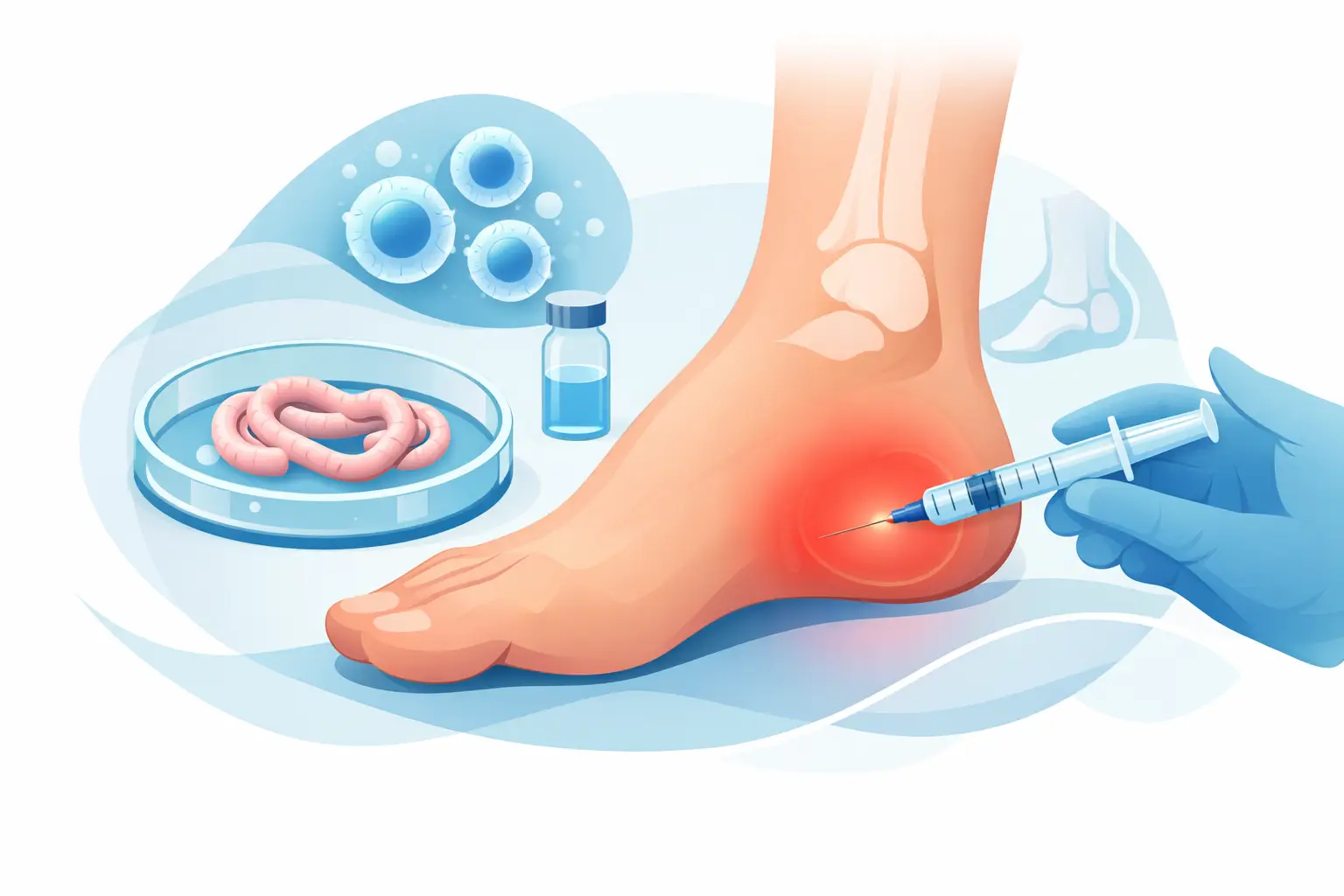
During PRP treatment, a small blood sample is collected and processed to concentrate platelets and growth factors. That platelet-rich portion is then injected into the area of injured plantar fascia. Platelets play a role in the body’s natural repair process, and the goal is to encourage a healing response where the tissue has been slow to recover.
At Chambers Foot & Ankle, regenerative care is considered as part of a complete treatment plan, not as a one-size-fits-all answer. A careful evaluation helps determine whether the pain is truly coming from the plantar fascia or whether another issue, such as a nerve problem, stress injury, arthritis, or heel fat-pad condition, needs different care.
PRP for Plantar Fasciitis Results: What to Expect
The most honest answer is that PRP results take time. Some patients notice reduced pain and improved function within several weeks, while others experience a more gradual change over two to three months. Healing tissue does not follow a calendar perfectly, especially when heel pain has been present for many months or longer.
Many patients report that their first steps in the morning become less painful, standing is more manageable, and they can tolerate longer walks with fewer flare-ups. The goal is not merely to make pain disappear temporarily. It is to improve the health and tolerance of the plantar fascia so daily activity becomes more comfortable and sustainable.
PRP may be particularly worth discussing when plantar fasciitis has not improved with a consistent course of conservative care. That may include activity adjustments, supportive footwear, custom orthotics when appropriate, stretching, physical therapy, night splints, anti-inflammatory measures, or other treatments recommended by a podiatrist.
The early recovery period can be uncomfortable
It is common to have soreness after a PRP injection. In fact, the treated area may feel more tender for several days as the body begins its response. This does not necessarily mean the treatment is failing. Patients are usually given individualized guidance about protecting the foot, modifying activity, and gradually returning to exercise.
The recovery plan matters. Pushing through significant heel pain too soon can aggravate the tissue, while avoiding all movement for too long may slow the return to normal function. A podiatrist can help you find the right balance based on the severity of your condition, work demands, fitness goals, and overall health.
Who May Be a Good Candidate?
PRP is often considered for adults with chronic plantar fasciitis that has lasted for several months and continues to limit activity despite appropriate nonsurgical treatment. It can be an appealing option for patients who want to explore advanced care before considering surgery.
Still, PRP is not the best next step for everyone. A thorough exam may include imaging when needed, especially if symptoms are unusual, severe, or not responding as expected. A partial plantar fascia tear, a stress fracture, nerve entrapment, or pain referred from another area can feel similar to plantar fasciitis but require a different approach.
Your medical history also matters. Diabetes, circulation concerns, medications that affect bleeding or healing, autoimmune conditions, and certain blood disorders may influence treatment planning. These factors do not automatically rule out PRP, but they deserve a thoughtful discussion before proceeding.
What Can Influence Your Results?
PRP is a treatment, not a replacement for the habits that protect the heel. The most favorable outcomes often come from combining the injection with a plan that reduces repeated strain on the plantar fascia.
Footwear is a common factor. Shoes that are worn down, overly flat, or unsupportive can keep loading the heel long after an injection. Some patients benefit from orthotics or temporary changes in footwear while the tissue recovers. Calf tightness can also place extra tension on the plantar fascia, which is why a guided stretching program is often part of care.
Body weight, standing demands at work, and the type of exercise you do can affect the pace of recovery. A runner may need a more structured return-to-running plan, while someone who stands on concrete for long shifts may need strategies to reduce heel stress during the workday. The best plan is realistic enough to follow and specific enough to protect healing tissue.
PRP Compared With Cortisone Injections
Patients often ask whether PRP is better than a cortisone injection. The treatments work differently, so the answer depends on the situation.
Cortisone may reduce pain and inflammation quickly, which can be helpful in selected cases. However, repeated steroid injections around the plantar fascia can carry risks, including weakening of the tissue or rupture. PRP is intended to support a repair response rather than primarily suppress inflammation, and its benefits tend to develop more gradually.
Neither option should be chosen based on speed alone. If a patient needs immediate short-term pain control, a doctor may discuss a different approach than for a patient with chronic, degenerative heel pain who is focused on longer-term tissue recovery. A personalized recommendation should account for symptoms, prior treatments, imaging findings, and activity goals.
What Happens at a PRP Appointment?
A PRP appointment usually begins with a review of symptoms, medical history, and the treatment plan. Blood is drawn from your arm, then placed in a machine that separates and concentrates the platelet-rich portion. The injection is performed with careful attention to the painful area, often with imaging guidance when appropriate to improve precision.
Afterward, you will receive specific instructions for the days and weeks ahead. Depending on your case, this may include temporary use of a walking boot or supportive shoe, reduced impact activity, icing guidance, and a gradual rehabilitation program. You may also be asked to avoid certain anti-inflammatory medications around the procedure because they can interfere with the intended healing response. Always follow the instructions provided by your treating clinician rather than making medication changes on your own.
Questions to Ask Before Choosing PRP
Before moving forward, it is reasonable to ask what diagnosis is being treated, why PRP is being recommended now, and what other conservative options remain. You should also understand expected out-of-pocket costs, since coverage for PRP varies and many insurance plans do not cover it for plantar fasciitis.
Ask how your provider will monitor progress and what the next step would be if your pain does not improve. A good care plan includes room to adjust. Sometimes patients need more time, a change in rehabilitation, additional support for biomechanics, or a different treatment entirely.
Persistent heel pain can make even ordinary routines feel limited, but you do not have to decide on treatment based on frustration alone. A focused evaluation can clarify what is driving your symptoms and whether PRP is a sensible step toward moving better, feeling better, and returning to the activities that matter to you.