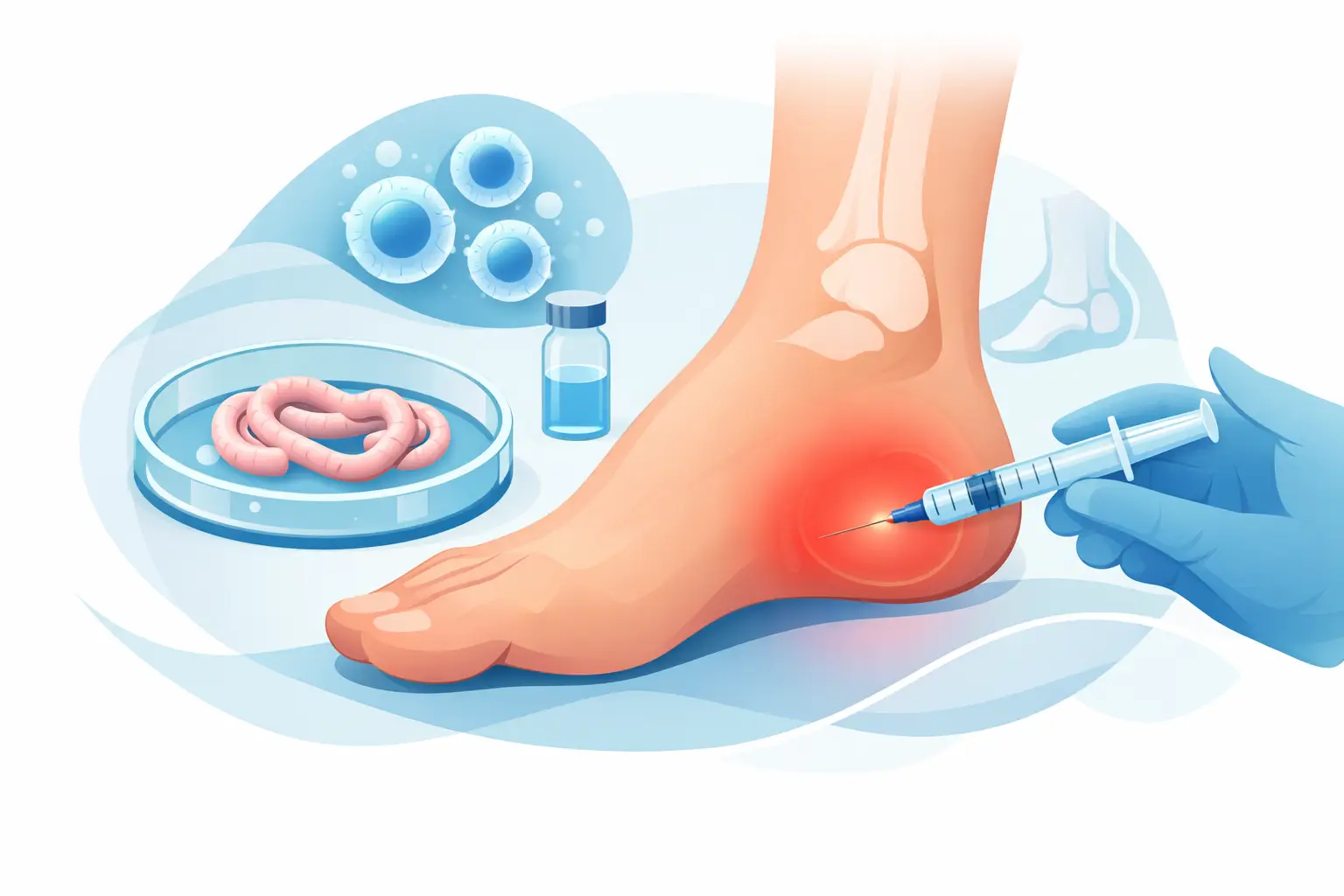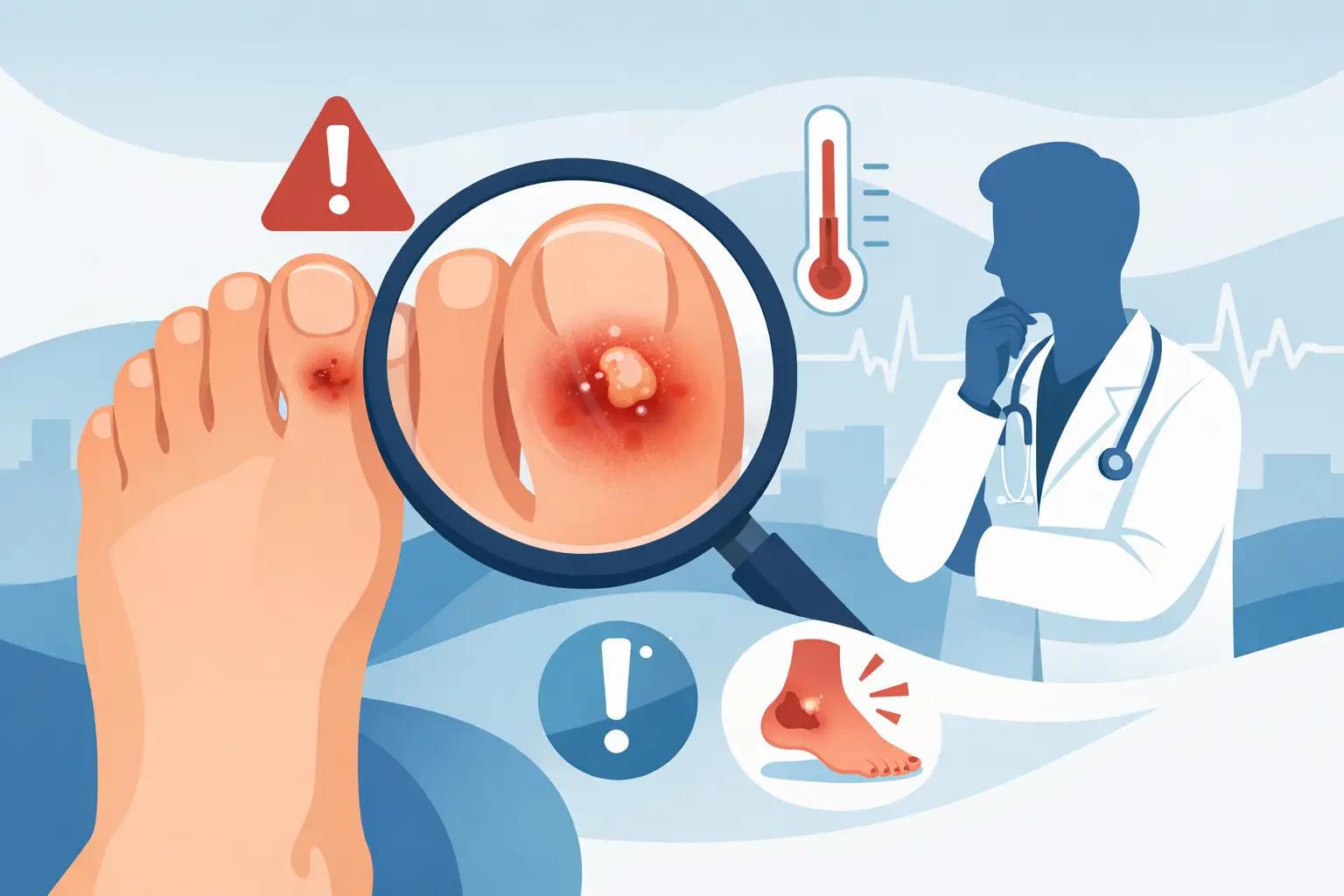

A blister from a new pair of shoes, a small cut near a toenail, or a crack in dry heel skin may seem minor at first. But foot wounds can change quickly when pressure, infection, diabetes, nerve damage, or poor circulation are involved. Prompt attention can protect your comfort, mobility, and overall health.
Why Foot Wounds Can Become Serious
The feet carry the body’s weight, spend much of the day inside shoes, and are exposed to friction, moisture, and repeated pressure. Those conditions can make it harder for a wound to stay clean and heal normally. Even a small opening in the skin can allow bacteria in.
For someone with healthy circulation and normal sensation, a shallow scrape may heal with basic home care. Still, the location matters. A wound on the bottom of the foot is repeatedly pressed during walking, while a wound between the toes may stay damp. Both can heal more slowly than a similar injury elsewhere on the body.
The risk is higher for people with diabetes, peripheral neuropathy, peripheral artery disease, swelling, immune system concerns, or a history of foot ulcers. Neuropathy can reduce sensation, so a person may not feel a cut, hot spot, or foreign object in their shoe. Poor circulation can limit the oxygen and nutrients the body needs for healing.
This is why a wound that does not look dramatic can still deserve professional evaluation. The goal is not to create alarm. It is to identify problems early, before they become harder to treat.
Common Types of Foot Wounds
Foot wounds develop in many ways. Some begin after an obvious injury, while others are caused by ongoing pressure or skin breakdown.
A blister forms when friction separates layers of skin, often from shoes that rub or increased activity. A cut or puncture can happen after stepping on an object, trimming nails too closely, or walking barefoot. Cracks in dry heel skin can deepen and bleed, particularly when the skin is under pressure.
Pressure sores and diabetic ulcers are different from a simple scrape. They often form where the foot bears weight, such as the ball of the foot, heel, or side of a toe. Calluses may build up over these areas, hiding irritation or tissue damage underneath. An ulcer may not hurt if sensation is reduced, which is one reason daily foot checks are so valuable.
Surgical incisions and wounds related to ingrown toenails also need monitoring. Redness, drainage, or worsening pain after a procedure is not something to ignore.
Signs a Foot Wound Needs Medical Attention
A new wound deserves a careful look, especially if you have diabetes or reduced feeling in your feet. Contact a podiatrist promptly if you notice redness that spreads, warmth, swelling, increasing pain, drainage, odor, or skin that is turning dark, pale, purple, or blue.
Other concerns include a wound that is deep, will not stop bleeding, has debris in it, or does not show clear improvement after a few days. A puncture wound can be more serious than it appears because the surface may close while bacteria remain deeper in the tissue.
People with diabetes should generally contact their foot specialist the same day for any new open area, blister, crack that is bleeding, or unexplained discoloration. Waiting to see whether it improves can allow a manageable problem to progress.
Seek urgent medical care right away for fever, chills, red streaks traveling up the foot or leg, rapidly spreading redness, severe swelling, confusion, or a foot that becomes cold, blue, or black. These symptoms can signal a serious infection or circulation problem.
What to Do Before Your Appointment
If the wound is minor and you do not have signs of infection or circulation concerns, gently rinse it with clean running water and mild soap around the area. Pat it dry and cover it with a clean, nonstick dressing. Keep pressure off the area as much as possible.
Do not use harsh chemicals, attempt to cut away dead skin, or place medicated products inside a deep wound unless a clinician has directed you to do so. Hydrogen peroxide and alcohol can irritate healing tissue. It is also wise to avoid soaking an open wound, since prolonged moisture can soften the skin and increase the risk of breakdown.
Most importantly, do not walk barefoot. Wear clean, well-fitting shoes that do not rub the injured area. If a wound is on the sole of the foot, limiting weight-bearing may be necessary until a podiatrist can assess it.
If you have diabetes, check the inside of your shoes before putting them on. A small pebble, rough seam, or folded sock can create enough pressure to cause damage without being felt.
How a Podiatrist Evaluates Foot Wounds
A thorough wound evaluation looks beyond the surface. Your podiatrist may assess the wound’s size, depth, drainage, surrounding skin, sensation, pulses, and signs of infection. They may also ask how the wound started, how long it has been present, and whether it has changed.
Depending on the concern, treatment may include gentle removal of unhealthy tissue, specialized dressings, pressure-relieving padding or footwear, infection management, or imaging to look for a foreign object or deeper involvement. If circulation appears limited, further vascular evaluation may be recommended.
Offloading is often a central part of healing wounds on the bottom of the foot. This means reducing pressure with a surgical shoe, boot, custom insert, padding, or another approach chosen for your situation. Continuing to walk normally on an ulcer can keep reopening the area, even when the dressing is changed regularly.
Treatment plans should be individualized. A small friction blister in an active adult may need shoe changes and short-term protection. A diabetic ulcer may require frequent follow-up, offloading, wound care, and coordination with other medical providers. Conservative treatment is preferred when appropriate, but the plan must match the wound’s cause and level of risk.
Preventing Wounds Before They Start
Daily foot care is one of the most practical ways to prevent serious problems. Look at the tops, soles, heels, and spaces between the toes every day. A hand mirror can help with areas that are hard to see, or a family member can assist if needed.
Keep skin clean and dry, and use moisturizer on dry areas of the foot but not between the toes. Trim nails straight across or have them trimmed professionally if you have thick nails, poor vision, neuropathy, or trouble reaching your feet. Avoid treating corns or calluses with over-the-counter acid products unless your podiatrist says they are safe for you.
Shoes should have enough room in the toe box, stable support, and no rough interior seams. New shoes should be broken in gradually. For people with diabetes or a history of ulcers, properly fitted diabetic shoes or custom orthotics may help reduce pressure points.
Regular foot exams are especially helpful if you have diabetes, neuropathy, circulation problems, or previous wounds. Changes in skin color, swelling, callus buildup, nail shape, and foot structure can reveal risks before an open wound develops.
Personalized Care for Healing and Mobility
A foot wound can interrupt far more than your daily routine. It can make work, exercise, errands, and time with family feel uncertain. At Chambers Foot & Ankle, the focus is on identifying what is preventing healing and creating a practical plan that protects the foot while supporting your return to normal activity.
If something on your foot is not healing, is becoming more painful, or simply does not look right, trust that concern. Early care can be the step that helps you move more comfortably and get back to the activities you enjoy.